
 EN
EN
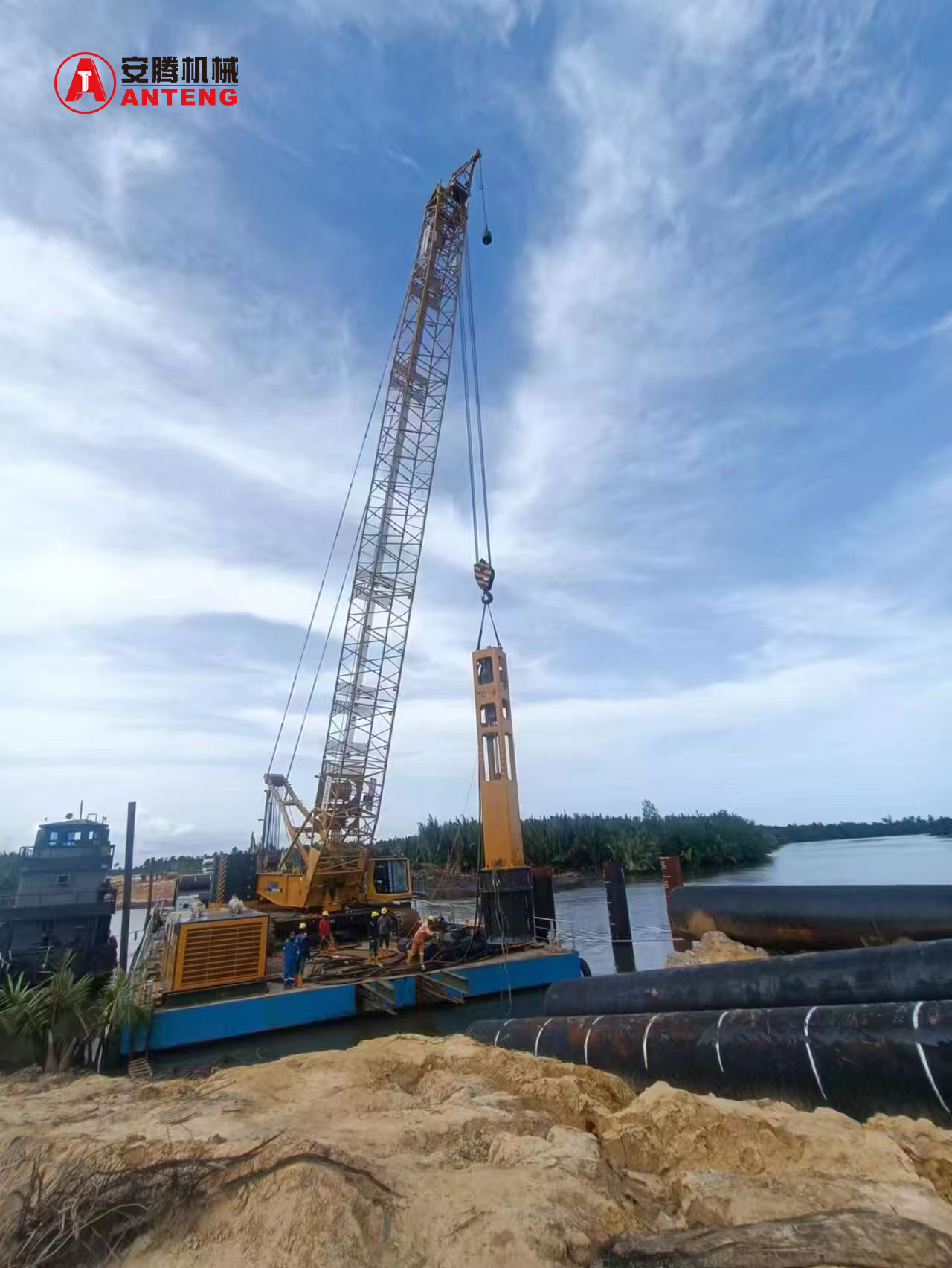
When dealing with challenging hard ground applications, construction professionals often find themselves comparing various pile driving and ground modification solutions. An impact hammer represents a proven technology specifically engineered to overcome the resistance of dense soils, rocky substrates, and other challenging ground conditions through controlled dynamic energy transfer.
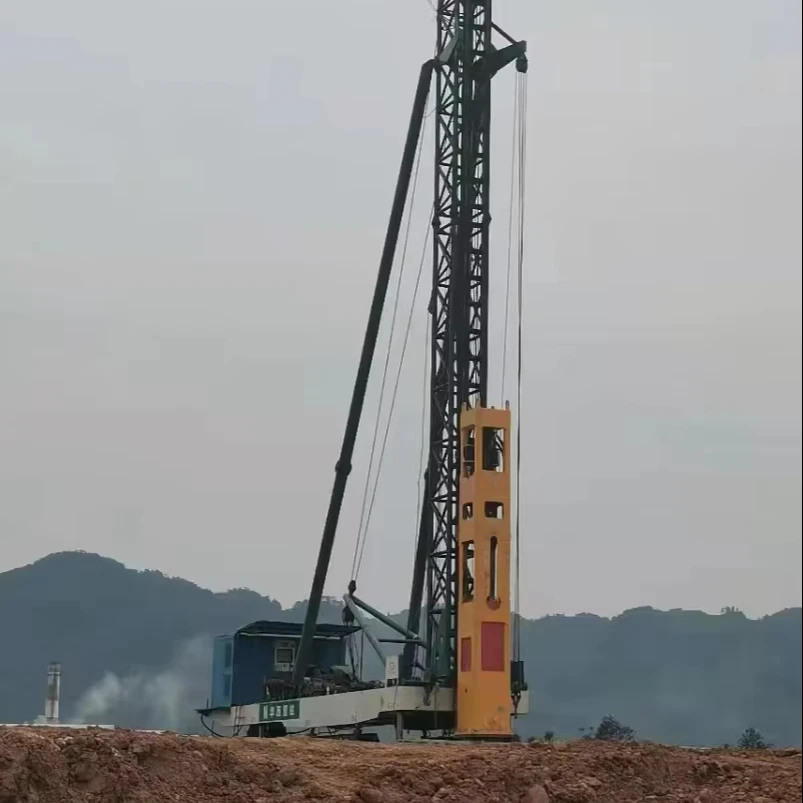
The effectiveness of an impact hammer in hard ground scenarios depends on its ability to deliver concentrated force through repeated impacts, breaking through resistant layers that traditional methods struggle to penetrate. Understanding how this technology compares to alternative solutions requires examining its operational mechanisms, performance characteristics, and suitability for specific ground conditions commonly encountered in construction projects.
Operational Mechanism Comparison in Challenging Soil Conditions
Dynamic Energy Transfer vs Static Force Application
An impact hammer operates through dynamic energy transfer, delivering high-frequency blows that fracture and displace hard ground materials through cumulative force application. This mechanism differs fundamentally from static force methods, which rely on continuous pressure to overcome soil resistance. The dynamic approach proves particularly effective in hard ground because it creates stress waves that propagate through the material, causing structural breakdown at the molecular level.
The repetitive nature of impact hammer operation allows it to progressively weaken hard ground layers through fatigue mechanisms. Each impact creates micro-fractures that accumulate over time, eventually leading to significant material displacement. This process enables the impact hammer to penetrate ground conditions that might completely resist static force applications, making it highly suitable for projects involving dense clay layers, cemented soils, or weathered rock formations.
Compared to vibratory methods, the impact hammer generates discrete energy pulses rather than continuous vibration. This characteristic provides better control over energy distribution and reduces the risk of liquefaction in adjacent soil areas, which can be problematic in certain hard ground applications where maintaining soil stability around the work area is critical.
Force Magnitude and Penetration Efficiency
The force magnitude generated by an impact hammer typically exceeds that of conventional pile driving equipment due to its concentrated energy delivery system. Peak impact forces can reach several hundred tons in larger units, with the energy concentrated into very brief contact periods. This high-intensity force application enables penetration through materials that would require significantly longer exposure times with lower-force alternatives.
Penetration efficiency in hard ground applications depends on the hammer's ability to maintain consistent energy delivery despite increasing soil resistance. Modern impact hammer designs incorporate variable energy settings that allow operators to adjust force levels based on encountered ground conditions. This adaptability ensures optimal performance across varying hardness levels within a single project site.
The efficiency comparison becomes particularly evident when examining penetration rates in standardized hard ground conditions. An impact hammer can often achieve penetration rates 2-3 times faster than alternative methods in dense soils with SPT values exceeding 50 blows per foot, demonstrating clear operational advantages in challenging conditions.
Performance Characteristics in Different Hard Ground Types
Dense Clay and Cohesive Soil Performance
When working with dense clay formations, an impact hammer demonstrates superior performance compared to methods that rely on continuous force application. The dynamic impact action helps break the cohesive bonds that give clay its strength, allowing for more efficient penetration through layers that might otherwise require pre-treatment or alternative installation methods.
The hammer's ability to create localized shear failures in cohesive soils provides significant advantages over static methods that must overcome the full shear strength of the material. This mechanism allows the impact hammer to progress through clay layers with undrained shear strengths exceeding 200 kPa, conditions where other equipment might experience unacceptable installation times or require auxiliary soil modification techniques.
Moisture content variations in clay soils affect impact hammer performance less than alternative methods due to the dynamic nature of the energy transfer. While wet clays might cause some adhesion issues with static methods, the repetitive impact action helps maintain penetration progress by preventing soil from adhering to the equipment surfaces during operation.
Weathered Rock and Cemented Layer Applications
In weathered rock formations, the impact hammer excels at fracturing partially decomposed rock structures that maintain significant resistance to penetration. The high-energy impacts can break through weathered rock layers that would require drilling or blasting with conventional approaches, providing a more cost-effective and less disruptive solution for many projects.
Cemented soil layers, commonly encountered in arid environments or areas with high mineral content, present particular challenges for conventional pile installation methods. The impact hammer's ability to fracture cementing agents through repeated shock loading enables penetration through these layers without requiring chemical treatment or mechanical pre-drilling that other methods might necessitate.
The effectiveness in these applications stems from the hammer's capacity to generate stress concentrations that exceed the tensile strength of cemented bonds. This mechanism allows progress through caliche layers, hardpan formations, and other naturally cemented soils that might completely stop equipment relying on continuous force application or low-energy dynamic methods.
Comparative Advantages in Project Implementation
Installation Speed and Productivity Factors
Installation speed represents a critical factor when comparing impact hammer performance to alternative hard ground solutions. The high-energy delivery system of an impact hammer enables rapid penetration through resistant layers, often completing installations in a fraction of the time required by static force methods or low-energy alternatives.
Productivity comparisons in hard ground applications consistently demonstrate the impact hammer's ability to maintain progress rates even as soil resistance increases with depth. This characteristic contrasts with methods that experience exponential increases in installation time as ground hardness increases, making the impact hammer particularly valuable for projects with aggressive completion schedules.
The reduced auxiliary equipment requirements for impact hammer operations contribute to overall productivity advantages. Unlike methods that might require pre-drilling, soil modification, or multiple equipment mobilizations, the impact hammer can often complete hard ground applications as a single-pass operation, reducing project complexity and associated costs.
Equipment Versatility and Adaptability
Modern impact hammer designs offer significant versatility in hard ground applications through adjustable energy settings and interchangeable components. This adaptability allows a single impact hammer unit to handle varying ground conditions within a project site, from moderately resistant soils to extremely hard formations, without requiring equipment changes.
The mounting flexibility of impact hammer systems enables use with various carrier equipment, from small excavators for confined spaces to large crawler cranes for major infrastructure projects. This versatility provides project managers with options for optimizing equipment selection based on site constraints and access requirements while maintaining the performance advantages in hard ground conditions.
Compared to specialized hard ground equipment that might only be suitable for specific soil types or project scales, the impact hammer offers broader applicability across different project requirements. This characteristic makes it particularly valuable for contractors working in regions with varied geological conditions who need equipment capable of handling multiple ground types efficiently.
Economic and Operational Considerations
Cost-Effectiveness Analysis
The economic advantages of impact hammer technology in hard ground applications become evident when analyzing total project costs rather than just equipment purchase or rental prices. The ability to complete installations without auxiliary operations like pre-drilling or soil modification significantly reduces overall project expenses, particularly in challenging ground conditions where alternative methods require multiple process steps.
Labor efficiency represents another significant economic factor favoring impact hammer use in hard ground scenarios. The reduced installation times achieved through high-energy impact action translate to lower labor costs and faster project completion, providing economic benefits that often offset any premium in equipment costs compared to conventional alternatives.
Maintenance and operational costs for impact hammer systems compare favorably to alternatives when considering the reduced wear and tear from shorter installation cycles. The ability to complete challenging installations quickly reduces the total operating hours required per project, extending equipment service life and reducing maintenance requirements compared to methods requiring extended operation periods in abrasive hard ground conditions.
Environmental Impact and Site Considerations
Environmental considerations in hard ground applications favor impact hammer technology due to its ability to complete installations without chemical soil modification or extensive site preparation. The mechanical nature of the penetration process eliminates the need for soil stabilizers, drilling fluids, or other chemical additives that might be required with alternative hard ground installation methods.
Noise and vibration characteristics of impact hammer operation, while requiring management in sensitive areas, typically produce lower cumulative environmental impact than alternative hard ground methods due to reduced installation times. The concentrated nature of the impact energy also provides better control over vibration transmission compared to continuous vibration methods that might operate for extended periods.
Site disturbance minimization represents another advantage of impact hammer technology in hard ground applications. The ability to penetrate resistant layers without requiring large support equipment or extensive site preparation reduces the overall footprint of construction operations, particularly valuable in urban environments or environmentally sensitive locations.
FAQ
What ground conditions are best suited for impact hammer applications?
Impact hammers excel in dense cohesive soils, weathered rock formations, cemented layers, and mixed ground conditions with varying hardness. They are particularly effective in soils with SPT values exceeding 50 blows per foot and work well in conditions where static force methods would experience significant resistance or require auxiliary operations.
How does installation speed compare between impact hammers and conventional methods in hard ground?
Impact hammers typically achieve installation speeds 2-3 times faster than conventional methods in hard ground conditions. The high-energy dynamic action enables rapid penetration through resistant layers, while conventional methods may experience exponential increases in installation time as ground hardness increases with depth.
Are there limitations to using impact hammers in certain hard ground scenarios?
Impact hammers may face limitations in extremely hard rock formations requiring blasting, in areas with strict vibration restrictions, or when working adjacent to sensitive structures. They are also less suitable for applications requiring precise pile positioning in very confined spaces where the dynamic action might cause alignment issues.
What maintenance considerations apply to impact hammers used in hard ground applications?
Hard ground applications require regular inspection of impact surfaces, hydraulic seals, and mounting hardware due to the high-stress operating environment. However, the shorter installation cycles typical in hard ground work often result in lower total operating hours per project, potentially extending overall equipment service life compared to methods requiring extended operation periods.
Table of Contents
- Operational Mechanism Comparison in Challenging Soil Conditions
- Performance Characteristics in Different Hard Ground Types
- Comparative Advantages in Project Implementation
- Economic and Operational Considerations
-
FAQ
- What ground conditions are best suited for impact hammer applications?
- How does installation speed compare between impact hammers and conventional methods in hard ground?
- Are there limitations to using impact hammers in certain hard ground scenarios?
- What maintenance considerations apply to impact hammers used in hard ground applications?