
 EN
EN

Sourcing an impact hammer requires careful evaluation of multiple technical and operational factors that directly influence project success and long-term investment returns. Professional buyers must navigate complex specifications, performance characteristics, and supplier capabilities to identify the optimal equipment for their specific construction, demolition, or foundation work applications.
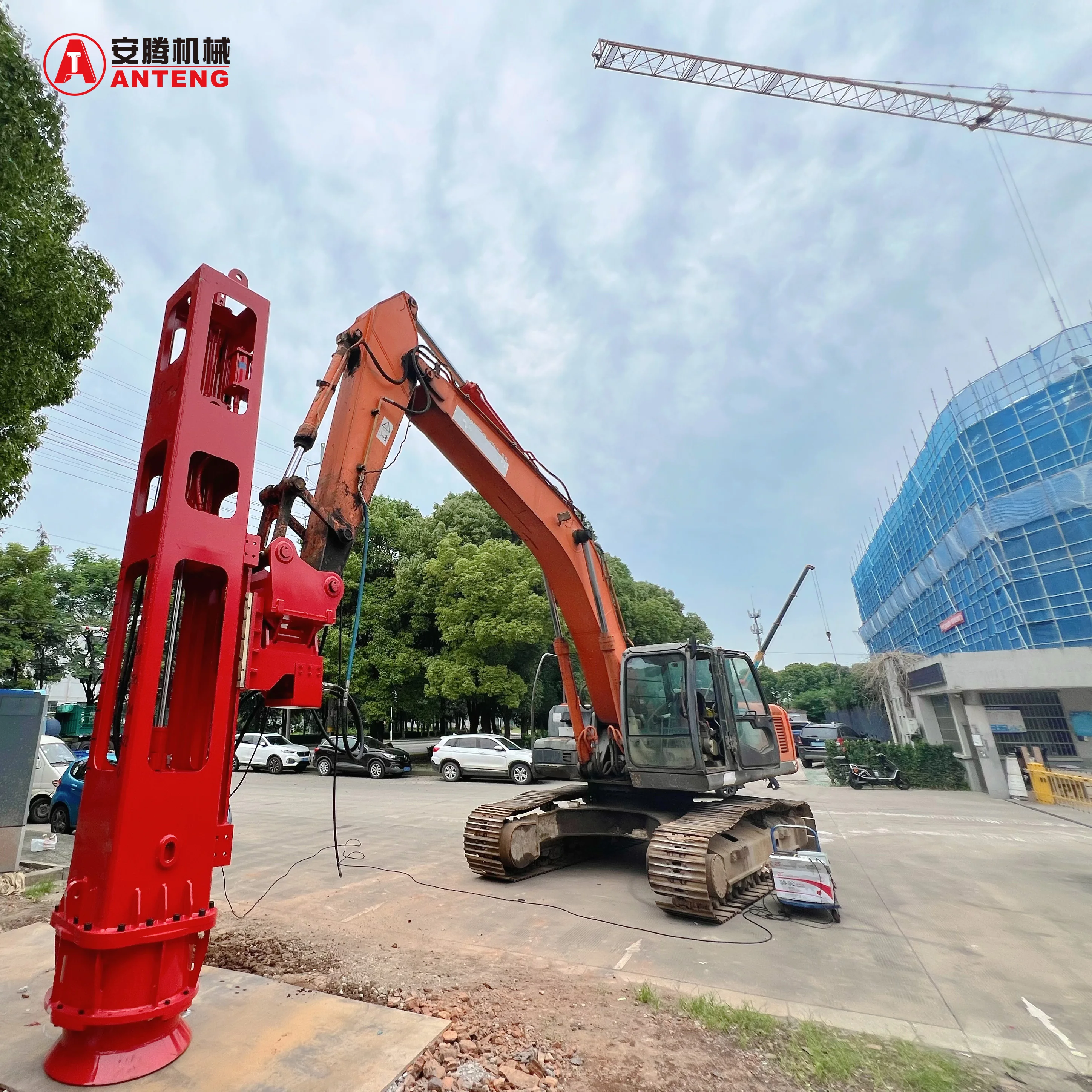
Understanding the comprehensive evaluation framework ensures buyers make informed decisions that align with project requirements, budget constraints, and operational efficiency goals. This systematic approach to impact hammer procurement minimizes risks while maximizing equipment value and performance throughout the service lifecycle.
Technical Specifications and Performance Parameters
Impact Energy and Force Ratings
The impact energy specification represents the fundamental performance metric for any impact hammer evaluation. This measurement, typically expressed in joules or foot-pounds, determines the equipment's ability to deliver effective force for breaking, driving, or compacting materials. Buyers should match impact energy ratings to specific application requirements, considering material hardness, depth requirements, and desired productivity levels.
Force delivery consistency across operating conditions significantly affects project outcomes and equipment longevity. Professional-grade impact hammer units maintain stable energy output even under varying environmental conditions and extended operation periods. Buyers must evaluate force rating documentation, including peak impact measurements and sustained performance data under realistic working conditions.
Modern impact hammer designs incorporate advanced energy transfer mechanisms that optimize force delivery while reducing operator fatigue and equipment stress. These innovations directly influence productivity rates and operational costs, making technical specification analysis a critical component of the sourcing evaluation process.
Operating Weight and Mobility Considerations
Equipment weight directly impacts transportation requirements, site mobility, and operational flexibility. Buyers must evaluate the balance between impact hammer mass and practical handling considerations for their specific project environments. Heavier units typically deliver greater impact force but may require specialized lifting equipment or limit access to confined work areas.
Mobility features such as integrated handles, lifting points, and modular design components affect deployment efficiency and crew productivity. Professional buyers assess these characteristics alongside weight specifications to ensure the selected impact hammer supports smooth workflow integration and minimizes setup time requirements.
Transportation logistics become particularly important for buyers managing multiple project sites or remote locations. Impact hammer weight and dimensional specifications must align with available transportation capacity and site access limitations to avoid costly logistical complications.
Build Quality and Durability Assessment
Material Construction and Component Analysis
High-quality impact hammer construction utilizes specialized steel alloys and heat treatment processes that withstand repeated high-stress impacts without premature wear or failure. Buyers should evaluate material specifications, including steel grades, hardness ratings, and manufacturing processes used in critical components such as the striking mechanism, housing, and connecting elements.
Component durability directly correlates with maintenance requirements and total cost of ownership. Professional-grade impact hammer units feature replaceable wear components and accessible service points that facilitate routine maintenance and extend equipment service life.
Manufacturing quality standards and production certifications provide valuable insights into build consistency and reliability expectations. Buyers benefit from reviewing manufacturer quality documentation, including material certifications, testing protocols, and quality control procedures that ensure consistent product performance.
Environmental Resistance and Protection Features
Operating environments for impact hammer applications often involve exposure to dust, moisture, extreme temperatures, and corrosive conditions. Buyers must evaluate protective features such as sealed bearing systems, corrosion-resistant coatings, and environmental rating certifications that ensure reliable operation across diverse conditions.
Dust ingress protection becomes particularly critical in demolition and excavation applications where airborne particles can compromise internal mechanisms. Professional impact hammer designs incorporate advanced sealing systems and filtration components that maintain performance integrity despite challenging environmental exposure.
Temperature operating ranges affect equipment performance and component longevity in extreme climate conditions. Buyers working in hot or cold environments should verify impact hammer specifications include appropriate temperature ratings and thermal protection features for their specific operating conditions.
Supplier Evaluation and Support Capabilities
Technical Support and Training Services
Comprehensive technical support significantly influences impact hammer operational success and equipment longevity. Buyers should evaluate supplier capabilities including installation guidance, operator training programs, troubleshooting assistance, and ongoing technical consultation services that maximize equipment value and performance.
Training program quality affects operator safety, equipment efficiency, and maintenance effectiveness. Professional suppliers provide structured training curricula covering safe operation procedures, routine maintenance requirements, and performance optimization techniques that ensure proper equipment utilization from day one.
Response time commitments for technical support requests directly impact project continuity and operational efficiency. Buyers benefit from evaluating supplier support infrastructure, including local service representation, remote diagnostic capabilities, and escalation procedures for critical issues.
Parts Availability and Service Network
Long-term parts availability ensures impact hammer units maintain operational readiness throughout their service lifecycle. Buyers must evaluate supplier inventory management systems, parts warehousing locations, and delivery commitments that support timely maintenance and repair requirements without excessive downtime.
Service network coverage affects maintenance accessibility and response capabilities for field service requirements. Professional suppliers maintain authorized service networks with trained technicians capable of performing complex repairs and preventive maintenance procedures at customer locations when necessary.
Parts pricing transparency and availability guarantees provide important cost planning information for buyers developing long-term equipment budgets. Clear parts catalogs with current pricing and lead time information support accurate total cost of ownership calculations during the sourcing evaluation process.
Application Compatibility and Performance Validation
Project-Specific Requirements Analysis
Different construction and demolition applications require specific impact hammer characteristics to achieve optimal results. Buyers must evaluate equipment specifications against project requirements including material types, access constraints, productivity targets, and quality standards that define successful project completion.
Foundation work applications demand precise impact energy control and consistent force delivery to achieve proper pile driving or soil compaction without damaging surrounding structures. Impact hammer selection for these applications requires careful analysis of soil conditions, structural requirements, and environmental limitations that affect equipment performance.
Demolition projects present different challenges requiring impact hammer units capable of sustained high-energy operation with minimal maintenance interruptions. Buyers must evaluate duty cycle ratings, cooling requirements, and durability specifications that ensure reliable performance throughout extended demolition operations.
Performance Testing and Validation Methods
Pre-purchase performance testing provides valuable validation data for impact hammer selection decisions. Professional buyers should request demonstration opportunities or performance verification data that confirms equipment capabilities match project requirements and supplier performance claims.
Field testing under realistic operating conditions offers the most reliable performance validation for impact hammer evaluation. This testing approach allows buyers to assess equipment handling characteristics, operator comfort, productivity rates, and integration compatibility with existing equipment and procedures.
Performance benchmarking against established productivity standards helps buyers quantify expected returns on impact hammer investments. Comparative analysis of cycle times, energy efficiency, and output quality provides objective criteria for supplier selection and equipment specification decisions.
Cost Analysis and Investment Considerations
Total Cost of Ownership Evaluation
Initial purchase price represents only one component of impact hammer investment costs. Professional buyers must evaluate comprehensive ownership expenses including maintenance requirements, parts costs, energy consumption, operator training, and expected service life to determine true equipment value and return on investment.
Maintenance cost projections require careful analysis of recommended service intervals, parts replacement schedules, and labor requirements for routine upkeep. High-quality impact hammer units typically feature lower maintenance costs due to superior component durability and accessible service design that reduces labor requirements.
Productivity benefits from superior impact hammer performance can significantly offset higher initial costs through reduced project completion times and improved work quality. Buyers should quantify these productivity advantages when comparing equipment options and developing investment justifications.
Financing Options and Payment Terms
Flexible financing arrangements can improve impact hammer acquisition feasibility for buyers with budget constraints or cash flow considerations. Professional suppliers often provide lease options, installment payment plans, or equipment financing programs that support equipment acquisition while preserving working capital for other project needs.
Payment terms significantly affect cash flow management and project budgeting for impact hammer purchases. Buyers benefit from negotiating favorable payment schedules that align with project revenue cycles and minimize financial strain during equipment acquisition periods.
Trade-in programs and equipment upgrade paths provide additional value for buyers with existing equipment or future expansion plans. These programs can reduce effective purchase costs while ensuring access to latest technology improvements and performance enhancements as they become available.
FAQ
What impact energy rating should I select for my specific application?
Impact energy requirements depend on material hardness, thickness, and desired productivity rates. For concrete demolition, select units with 200-500 joules for standard applications, while heavy-duty breaking may require 500-1000+ joules. Foundation driving typically needs 300-800 joules depending on pile size and soil conditions. Consult with suppliers to match energy ratings to your specific project requirements.
How do I verify impact hammer build quality before purchase?
Evaluate material certifications, manufacturing standards, and quality control documentation from suppliers. Request demonstration periods or field testing opportunities to assess actual performance and durability. Review component specifications including steel grades, heat treatment processes, and protective coatings. Check for industry certifications and quality standards compliance that indicate professional manufacturing practices.
What maintenance requirements should I expect for professional-grade impact hammers?
Professional impact hammer units typically require daily pre-operation inspections, weekly lubrication of moving components, and periodic replacement of wear items such as tool bits and seals. Major service intervals occur every 200-500 operating hours depending on application intensity. Budget for annual service costs of 10-15% of initial purchase price for high-utilization applications.
How important is supplier location and service network coverage?
Local supplier presence significantly affects response times for technical support, parts delivery, and field service requirements. Evaluate service network coverage in your operating regions and verify response time commitments for critical support needs. Remote locations may require suppliers with strong logistics capabilities and comprehensive remote diagnostic support to minimize equipment downtime.