
 EN
EN

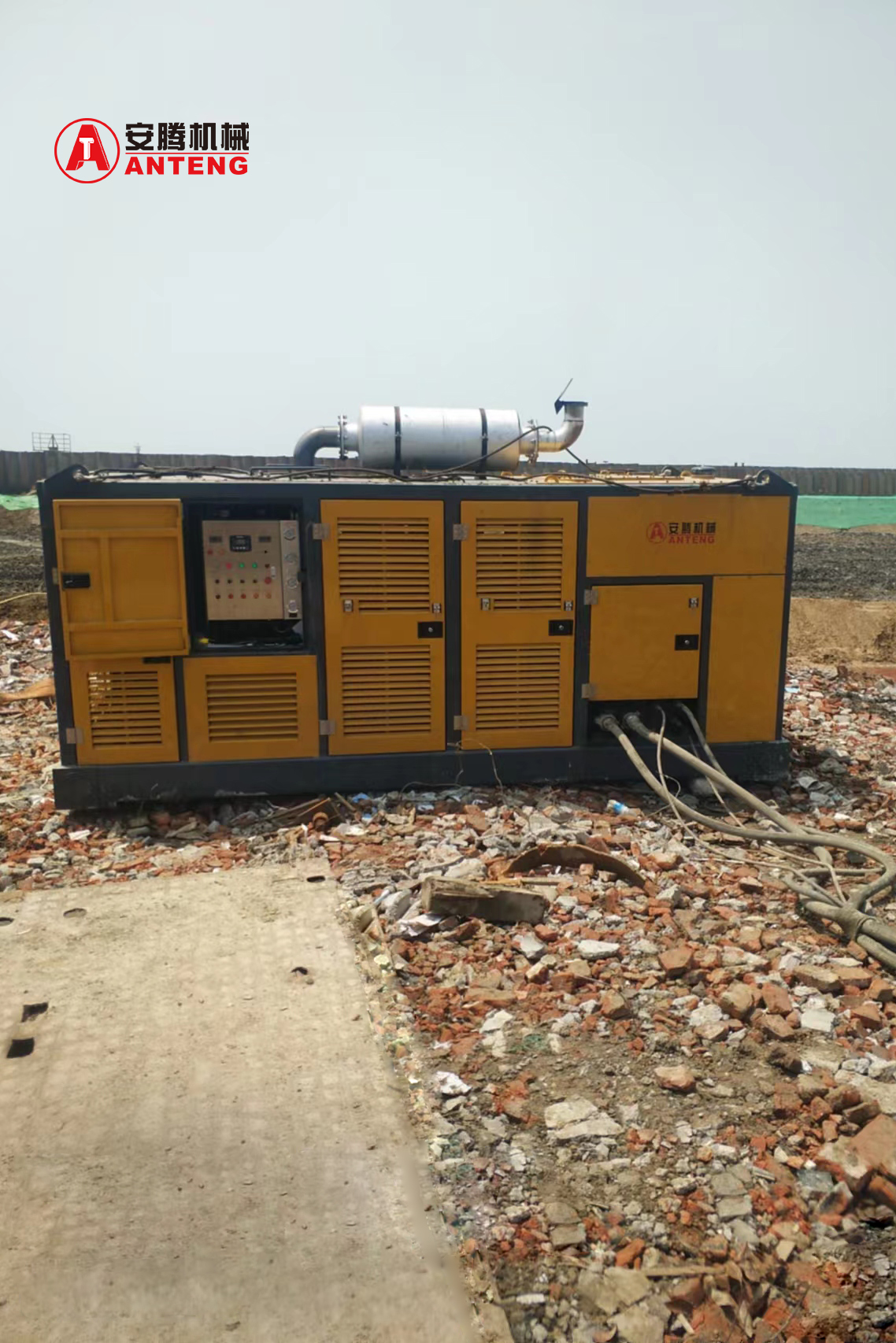
Extending the service life of a piling machine requires understanding the critical relationship between maintenance practices and equipment longevity. Construction companies invest significant capital in these specialized machines, making proper maintenance essential for maximizing return on investment and ensuring consistent project delivery capabilities. The service life of a piling machine directly impacts operational costs, project timelines, and overall business profitability in foundation construction operations.
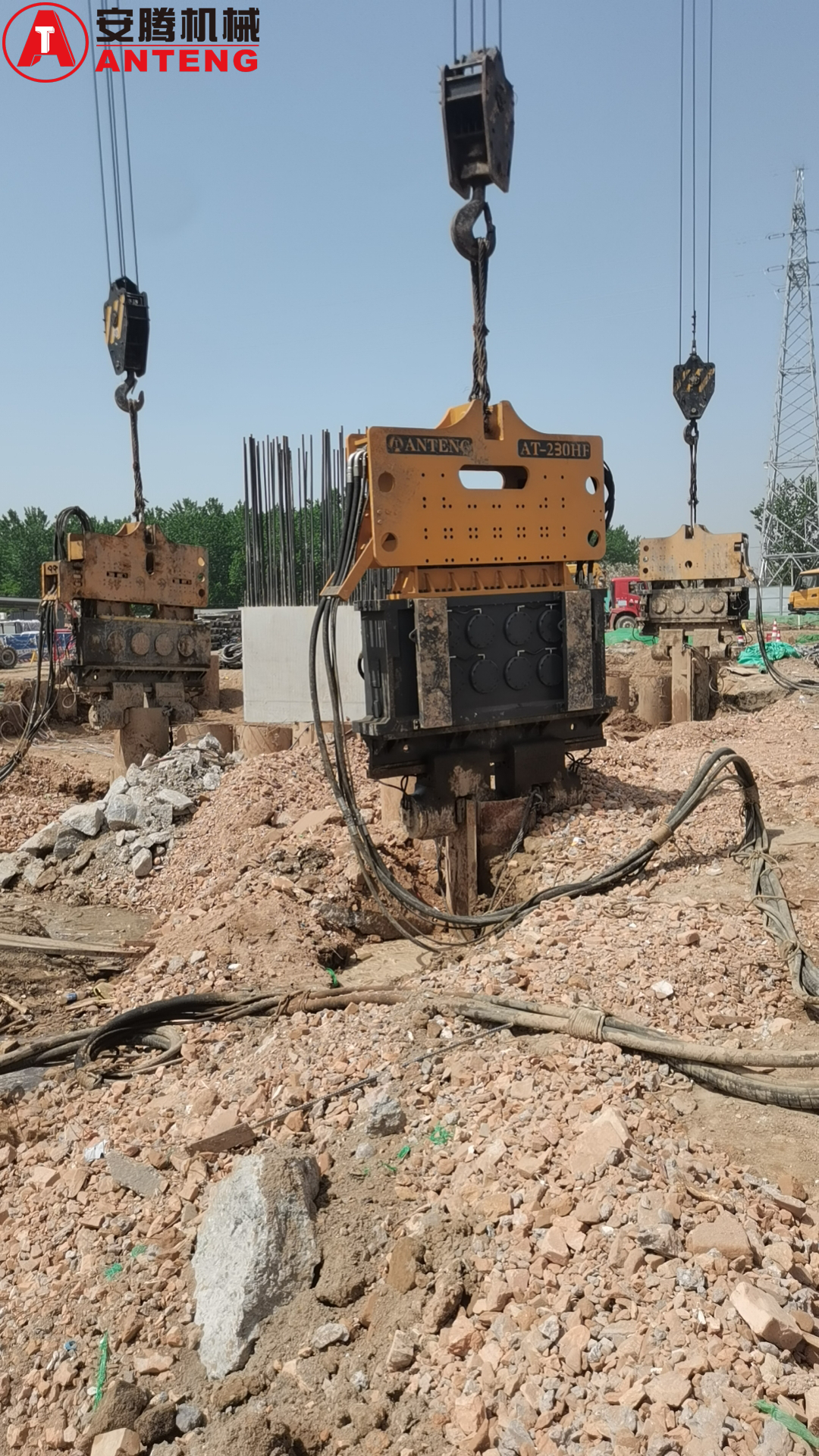
Modern piling machine technology incorporates sophisticated hydraulic systems, precision controls, and heavy-duty mechanical components that demand systematic maintenance approaches. When properly maintained, a high-quality piling machine can deliver decades of reliable service, while neglected equipment may require premature replacement or extensive repairs that exceed the cost of preventive maintenance programs. Understanding the specific maintenance requirements and implementing comprehensive care strategies enables operators to achieve optimal equipment performance throughout the machine's intended service life.
Understanding Piling Machine Wear Patterns and Service Life Factors
Component Degradation Patterns in Piling Operations
Piling machine components experience distinct wear patterns based on operational demands and environmental conditions. Hydraulic systems face continuous pressure cycling during pile driving operations, leading to gradual seal deterioration and fluid contamination. The vibrating mechanism endures repetitive stress cycles that can cause bearing wear, bolt loosening, and structural fatigue over time. Understanding these degradation patterns allows maintenance teams to anticipate component replacement needs and schedule interventions before failures occur.
Mechanical stress concentrates in specific areas during different piling operations, creating predictable wear zones that require targeted attention. Drive systems experience peak loads during pile penetration, while support structures endure continuous vibration and impact forces. The piling machine foundation attachment points also experience significant stress that can lead to structural weakening if not properly monitored and maintained.
Environmental Impact on Equipment Longevity
Environmental conditions significantly influence piling machine service life through exposure to moisture, temperature fluctuations, and contamination sources. Marine environments present particular challenges with salt corrosion affecting metal components and electrical systems. Extreme temperature variations cause thermal expansion and contraction that can compromise seals, gaskets, and precision-fitted components over time.
Dust and debris infiltration during construction operations can accelerate wear in moving components and contaminate lubrication systems. Proper environmental protection measures, including regular cleaning and appropriate storage practices, help minimize these external factors that can significantly reduce equipment service life. Seasonal maintenance adjustments become necessary to address changing environmental conditions and protect critical systems from weather-related damage.
Preventive Maintenance Strategies for Maximum Service Life
Systematic Inspection and Monitoring Programs
Implementing comprehensive inspection protocols enables early detection of potential issues before they escalate into major failures. Daily pre-operation inspections should cover fluid levels, visible wear indicators, and operational parameters that signal developing problems. Weekly detailed inspections allow for closer examination of critical components, including hydraulic connections, structural integrity, and safety systems that protect both equipment and operators.
Monthly comprehensive assessments provide opportunities for thorough testing of all piling machine systems, including performance verification and wear measurement. These systematic inspections create documentation trails that help identify trends and optimize maintenance intervals based on actual operating conditions. Advanced monitoring technologies can provide real-time data on component performance, enabling predictive maintenance approaches that further extend service life.
Lubrication Management and Fluid System Maintenance
Proper lubrication management forms the foundation of extended piling machine service life through reduced friction, heat generation, and component wear. Hydraulic fluid quality directly impacts system performance and component longevity, requiring regular analysis and replacement based on contamination levels and additive depletion. Gear oils and bearing lubricants must meet manufacturer specifications and receive attention according to operational hours and environmental exposure.
Filtration system maintenance ensures clean fluids circulate throughout the piling machine, preventing contamination damage to precision components. Filter replacement schedules should account for operating conditions, with more frequent changes required in dusty or contaminated environments. Proper fluid storage and handling procedures prevent contamination introduction during maintenance operations, preserving system cleanliness and extending component life.
Component-Specific Maintenance Protocols
Hydraulic System Care and Optimization
Hydraulic systems require specialized attention due to their critical role in piling machine operation and sensitivity to contamination and wear. Pressure testing should occur regularly to verify system integrity and identify developing leaks before they cause environmental contamination or performance degradation. Cylinder rod protection prevents scoring and seal damage that can lead to costly repairs and operational downtime.
Accumulator maintenance ensures proper nitrogen pressure levels and membrane integrity for optimal system performance. Valve calibration and adjustment maintain precise control over piling operations, while pump maintenance preserves efficiency and prevents cavitation damage. Temperature monitoring helps identify overheating issues that can damage seals and accelerate fluid degradation in high-demand operations.
Mechanical Drive and Structural Maintenance
Drive mechanisms in piling machine operations experience significant stress and require careful attention to bearing condition, alignment, and lubrication. Vibration analysis can detect developing imbalances or bearing wear before catastrophic failures occur. Coupling inspection and maintenance ensure proper power transmission while preventing excessive wear on connected components.
Structural integrity assessments focus on weld quality, bolt tightness, and crack development in high-stress areas. Frame alignment checks prevent uneven wear patterns that can reduce equipment life and affect piling accuracy. Regular torque verification on critical fasteners prevents loosening under operational vibration and maintains structural integrity throughout the service life.
Technology Integration for Enhanced Maintenance Effectiveness
Condition Monitoring and Predictive Analytics
Modern piling machine maintenance benefits from advanced condition monitoring technologies that provide real-time insights into component health and performance trends. Vibration sensors can detect bearing deterioration, misalignment, and other mechanical issues before they cause failures. Temperature monitoring identifies overheating conditions that may indicate lubrication problems or component wear.
Data logging systems capture operational parameters that help optimize maintenance schedules based on actual usage patterns rather than arbitrary time intervals. Predictive analytics software can process sensor data to forecast component replacement needs and schedule maintenance during planned downtime. These technologies enable transition from reactive to predictive maintenance strategies that maximize piling machine availability and service life.
Digital Maintenance Management Systems
Digital maintenance management platforms streamline record keeping and ensure consistent application of maintenance protocols across multiple piling machine units. Automated scheduling prevents missed maintenance intervals while work order management tracks completion and parts usage. Historical data analysis reveals trends that inform maintenance strategy improvements and component reliability assessments.
Mobile applications enable field technicians to access maintenance procedures, record inspection findings, and order parts directly from job sites. Integration with inventory management systems ensures necessary parts availability while preventing overstocking of slow-moving items. Comprehensive reporting capabilities support compliance documentation and help justify maintenance program investments through demonstrated service life extension.
Operational Practices That Support Extended Service Life
Operator Training and Best Practices
Proper operator training significantly impacts piling machine service life through reduced abuse, optimal operating techniques, and early problem recognition. Operators should understand equipment limitations and operate within manufacturer specifications to prevent premature wear and component failure. Training programs should cover proper startup and shutdown procedures, load management, and recognition of abnormal operating conditions.
Continuous education ensures operators stay current with evolving best practices and new maintenance requirements. Regular skill assessments help identify areas where additional training may benefit equipment longevity. Creating a culture of equipment care encourages operators to take ownership of maintenance responsibilities and report issues promptly rather than continuing operation with known problems.
Storage and Transportation Considerations
Proper storage practices protect piling machine components during periods of non-use and prevent deterioration that can reduce service life. Climate-controlled storage prevents condensation and corrosion while proper positioning prevents distortion of hydraulic cylinders and other precision components. Periodic exercise of stored equipment maintains lubrication distribution and prevents seals from drying out or taking permanent sets.
Transportation procedures must account for secure mounting and protection of sensitive components during moves between job sites. Proper tie-down techniques prevent damage from road vibration while covering protects against environmental contamination. Pre-transportation inspection and post-transportation checkout ensure no damage occurs during equipment moves that could affect subsequent performance or service life.
FAQ
How often should hydraulic fluid be changed in a piling machine?
Hydraulic fluid replacement intervals depend on operating conditions and fluid analysis results, but typically range from 1,000 to 2,000 operating hours. Contaminated environments or high-duty cycles may require more frequent changes, while clean conditions and proper filtration can extend intervals. Regular fluid analysis provides the best guidance for optimal replacement timing to maximize piling machine service life.
What are the most critical components to monitor for extending piling machine life?
The most critical components include hydraulic cylinders and seals, vibrator bearings, drive system components, and structural mounting points. These areas experience the highest stress and wear rates during piling operations. Regular monitoring of these components through inspections, vibration analysis, and performance testing helps prevent failures that could significantly impact service life.
Can predictive maintenance really extend piling machine service life compared to traditional scheduled maintenance?
Predictive maintenance can extend service life by 20-30% compared to traditional scheduled approaches by identifying issues early and optimizing replacement timing. This approach prevents both premature component replacement and unexpected failures that can cause secondary damage. However, predictive maintenance requires investment in monitoring technology and data analysis capabilities to achieve maximum benefits.
What environmental factors most significantly impact piling machine longevity?
Salt exposure in marine environments, extreme temperature variations, and high levels of dust or debris contamination most significantly impact longevity. These factors accelerate corrosion, affect lubrication effectiveness, and increase wear rates in moving components. Implementing appropriate protection measures and adjusting maintenance frequency based on environmental conditions helps mitigate these impacts on service life.
Table of Contents
- Understanding Piling Machine Wear Patterns and Service Life Factors
- Preventive Maintenance Strategies for Maximum Service Life
- Component-Specific Maintenance Protocols
- Technology Integration for Enhanced Maintenance Effectiveness
- Operational Practices That Support Extended Service Life
-
FAQ
- How often should hydraulic fluid be changed in a piling machine?
- What are the most critical components to monitor for extending piling machine life?
- Can predictive maintenance really extend piling machine service life compared to traditional scheduled maintenance?
- What environmental factors most significantly impact piling machine longevity?