 EN
EN
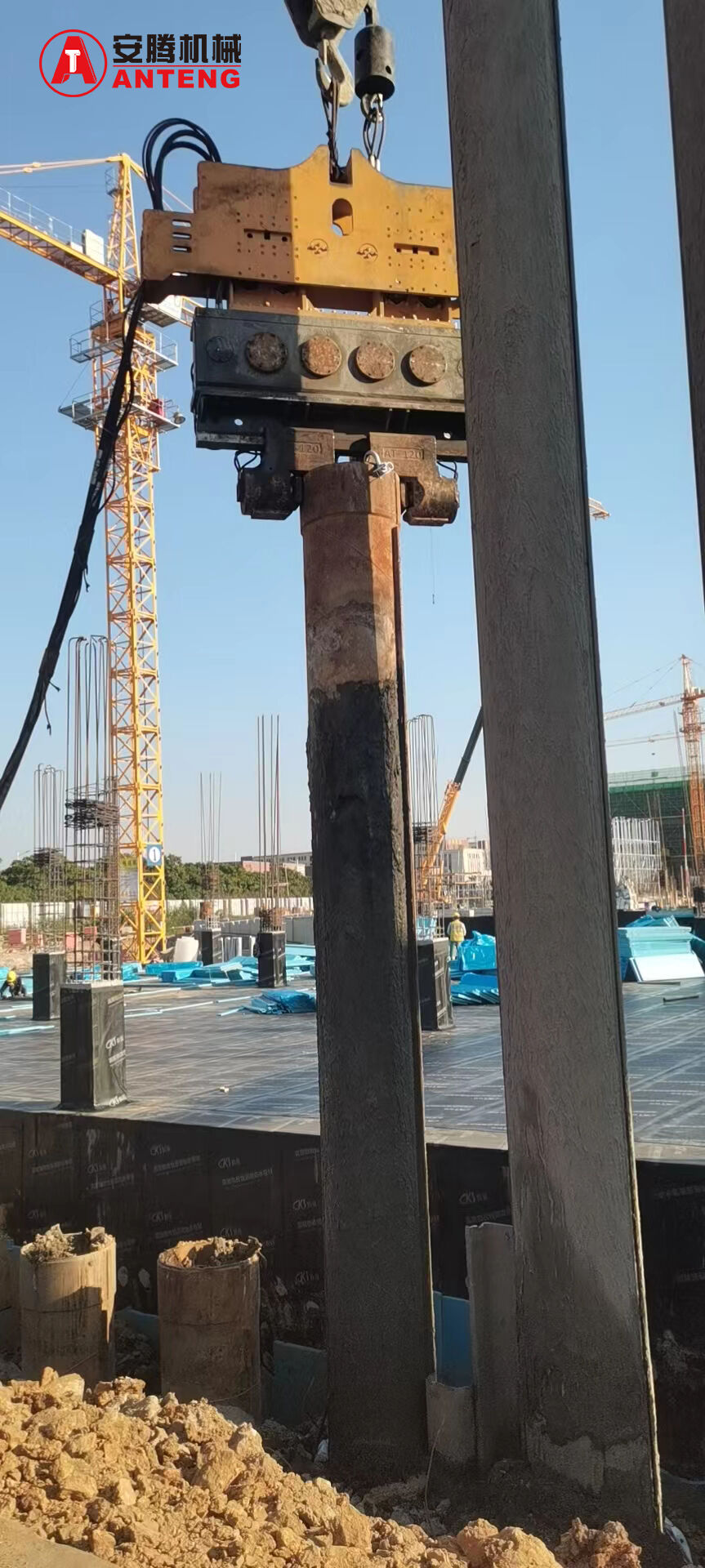
Selecting the appropriate piling equipment for a construction project represents one of the most critical decisions that can determine both project success and cost-effectiveness. The choice of piling equipment directly impacts installation speed, structural integrity, site accessibility, and overall project economics. With numerous types of piling equipment available, from vibratory hammers to hydraulic rigs, understanding how to match equipment capabilities with specific project requirements becomes essential for construction professionals, project managers, and site engineers.
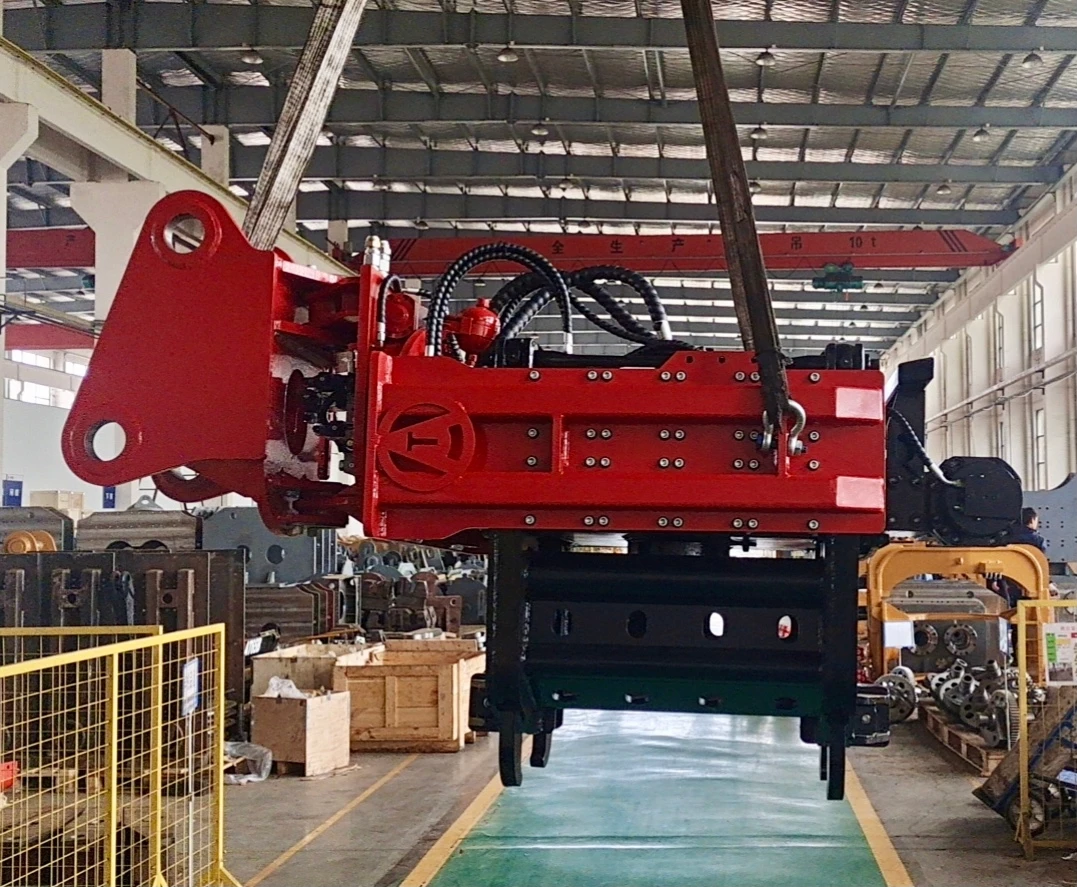
The selection process for piling equipment involves analyzing multiple interconnected factors including soil conditions, pile specifications, site constraints, environmental considerations, and budget limitations. Modern piling equipment offers sophisticated capabilities, but choosing the wrong equipment can lead to installation delays, increased costs, structural compromises, and safety concerns. This comprehensive guide examines the systematic approach to selecting piling equipment that aligns with your specific project requirements, ensuring optimal performance and successful foundation installation.
Understanding Project-Specific Requirements for Equipment Selection
Analyzing Soil Conditions and Geological Factors
Soil conditions serve as the primary determinant in piling equipment selection, as different soil types require specific installation methods and equipment capabilities. Dense clay soils typically require piling equipment with high-torque capabilities and powerful penetration force, while sandy soils may benefit from vibratory installation methods. Rock layers necessitate equipment with drilling attachments or impact capabilities to achieve proper penetration depths.
Groundwater levels significantly influence equipment choice, as high water tables may require specialized piling equipment with dewatering capabilities or water-resistant components. Contaminated soils present additional challenges, requiring piling equipment that minimizes soil disturbance and prevents contaminant spread. Geotechnical reports provide essential data for equipment selection, including soil bearing capacity, cohesion values, and subsurface obstacles that may affect installation procedures.
Seasonal variations in soil conditions also impact piling equipment selection, particularly in regions with freeze-thaw cycles or significant moisture fluctuations. Equipment operators must consider how seasonal changes affect soil properties and adjust their piling equipment choices accordingly to maintain consistent installation quality throughout the project timeline.
Evaluating Pile Specifications and Load Requirements
Pile diameter, length, and material composition directly influence the type of piling equipment required for successful installation. Large-diameter piles typically require heavy-duty piling equipment with sufficient lifting capacity and precise positioning systems, while smaller piles may be efficiently installed with lighter, more maneuverable equipment. Steel piles often require different handling capabilities compared to concrete or timber alternatives.
Load-bearing requirements determine the installation precision and quality control capabilities needed from piling equipment. High-load applications demand equipment with accurate depth control, torque monitoring, and installation verification systems. The specified pile installation method, whether driven, drilled, or screwed, dictates the primary mechanism required in the piling equipment selection.
Quality specifications and testing requirements may necessitate piling equipment with integrated monitoring systems, data recording capabilities, and real-time performance feedback. Some projects require equipment capable of performing load testing or integrity verification during installation, influencing the selection toward more sophisticated piling equipment with advanced instrumentation and control systems.
Site Constraints and Access Limitations
Assessing Physical Space and Mobility Requirements
Site dimensions and access routes significantly impact piling equipment selection, particularly in urban environments or confined construction areas. Large piling equipment may offer superior performance capabilities but prove impractical in space-constrained locations. Overhead clearances, including power lines, bridges, and existing structures, limit the maximum height of piling equipment that can be safely operated on site.
Ground-bearing capacity affects the size and weight of piling equipment that can be safely mobilized and operated. Soft or unstable ground conditions may require specialized mats or support systems, influencing both equipment selection and mobilization costs. Access road limitations, including weight restrictions and turning radii, determine the maximum size of piling equipment that can reach the work area.
Multi-level or complex sites may require piling equipment with enhanced maneuverability, compact dimensions, or modular designs that can be assembled on-site. The ability to transition between different elevation levels or work in confined spaces becomes crucial for maintaining project schedules and avoiding costly equipment changes mid-project.
Environmental and Regulatory Considerations
Noise restrictions significantly influence piling equipment selection, particularly in urban areas or near sensitive facilities. Vibratory piling equipment typically generates less noise than impact-driven systems, making it preferable for noise-sensitive environments. Time-of-day restrictions may require faster installation methods or quieter piling equipment to maintain project schedules while complying with local regulations.
Vibration control requirements affect equipment selection, as some piling equipment types produce ground vibrations that may damage nearby structures or disturb sensitive operations. Projects near hospitals, laboratories, or historic buildings often require piling equipment with vibration monitoring and control systems to prevent structural damage or operational disruption.
Environmental protection requirements may mandate specific piling equipment features, such as containment systems for drilling fluids, emission controls, or specialized attachments for handling contaminated materials. Wetland or marine environments require piling equipment with appropriate environmental certifications and spill prevention capabilities to protect sensitive ecosystems.
Equipment Capabilities and Performance Matching
Power and Force Requirements
Matching equipment power output to project requirements ensures efficient installation while avoiding over-specification that increases costs unnecessarily. Penetration resistance calculations help determine the minimum force requirements for successful pile installation, while safety factors account for unexpected subsurface conditions or installation challenges.
Hydraulic systems in modern piling equipment provide precise control over installation forces, allowing operators to adjust power output based on real-time conditions. Variable power capabilities enable the same piling equipment to handle different pile types or soil conditions within a single project, improving versatility and cost-effectiveness.
Energy efficiency considerations affect long-term operating costs, particularly for projects with extensive piling requirements. Modern piling equipment incorporates advanced hydraulic systems, engine management, and energy recovery technologies that reduce fuel consumption while maintaining installation performance. Power-to-weight ratios become critical factors when selecting piling equipment for sites with ground-bearing limitations.
Installation Speed and Production Capabilities
Production rate requirements directly influence piling equipment selection, as different equipment types offer varying installation speeds and daily production capabilities. High-production projects may justify more expensive piling equipment that can install piles faster, reducing overall project duration and indirect costs.
Setup time between pile installations affects overall productivity, making quick-positioning and rapid-cycle piling equipment advantageous for projects with numerous pile locations. Automated positioning systems and GPS-guided piling equipment can significantly reduce setup time and improve installation accuracy, particularly valuable for large-scale foundation projects.
Multi-pile installation capabilities allow some piling equipment to handle multiple pile installations simultaneously or in rapid sequence, dramatically improving production rates for suitable pile layouts. The ability to pre-position materials and minimize handling time becomes increasingly important as project size and complexity increase.
Cost Analysis and Budget Optimization
Capital Investment vs. Rental Considerations
Equipment acquisition costs must be weighed against project duration, utilization rates, and future piling equipment needs. Purchasing piling equipment makes economic sense for contractors with consistent project pipelines, while rental arrangements offer flexibility for specialized or short-term applications. Lease-to-own options provide middle-ground solutions that preserve capital while building equipment assets.
Operating costs include fuel consumption, maintenance requirements, operator wages, and insurance expenses that vary significantly between different piling equipment types. High-efficiency piling equipment may justify higher initial costs through reduced operating expenses over the project lifecycle. Maintenance complexity and parts availability affect long-term ownership costs and equipment availability.
Mobilization and demobilization costs can represent significant portions of overall piling equipment expenses, particularly for remote sites or specialized equipment requirements. Local equipment availability reduces transportation costs and provides faster response times for maintenance or technical support needs during project execution.
Value Engineering and Performance Optimization
Value engineering approaches examine whether higher-specification piling equipment can reduce overall project costs through improved installation speed, quality, or reliability. Advanced piling equipment with integrated quality control systems may eliminate separate testing requirements, providing cost savings that offset higher equipment expenses.
Risk mitigation capabilities of sophisticated piling equipment include real-time monitoring, automated safety systems, and predictive maintenance features that reduce the likelihood of costly delays or safety incidents. Insurance considerations may favor piling equipment with certified safety systems and operator protection features.
Residual value and marketability affect the total cost of ownership for purchased piling equipment. Well-maintained, popular equipment models typically retain higher resale values, while specialized or older technology equipment may depreciate more rapidly, influencing the economic analysis of equipment selection decisions.
Safety and Operator Requirements
Safety Systems and Risk Management
Modern piling equipment incorporates numerous safety features designed to protect operators and site personnel, including load moment indicators, stability monitoring systems, and emergency shutdown capabilities. OSHA compliance requirements mandate specific safety features and operational procedures that influence equipment selection decisions.
Operator protection systems, including ROPS/FOPS certification, noise reduction enclosures, and ergonomic control layouts, become increasingly important as safety regulations evolve and insurance requirements tighten. Visibility enhancements, such as camera systems and improved cab designs, reduce accident risks while improving operational efficiency.
Remote operation capabilities allow operators to maintain safe distances from potentially hazardous operations, particularly important when working near overhead hazards or in unstable ground conditions. Automated safety systems can prevent dangerous operating conditions and reduce reliance on operator judgment in critical safety situations.
Training and Skill Requirements
Operator skill requirements vary significantly between different types of piling equipment, influencing both selection decisions and project planning timelines. Complex piling equipment with advanced control systems may require extensive training periods that affect project scheduling and labor costs. Availability of qualified operators in the project area influences the practicality of selecting sophisticated or specialized piling equipment.
Certification requirements for specific piling equipment types may limit operator availability or require additional training investments. Some piling equipment manufacturers provide comprehensive training programs that include hands-on instruction, safety certification, and ongoing technical support that can justify equipment selection decisions.
User-friendly control systems and intuitive operation interfaces reduce training requirements and improve operator productivity while minimizing the risk of operational errors. Simplified maintenance procedures and diagnostic systems enable site personnel to perform routine maintenance and troubleshooting without specialized technical support.
FAQ
What factors should I prioritize when choosing piling equipment for my project?
Prioritize soil conditions, pile specifications, and site access limitations as your primary selection factors. Soil type determines the installation method and power requirements, while pile dimensions and load requirements dictate equipment size and capability needs. Site constraints, including space limitations and environmental restrictions, often serve as decisive factors that eliminate certain equipment options. Consider production rate requirements and budget constraints as secondary factors that help optimize your final selection within the technically suitable options.
How do soil conditions influence piling equipment selection?
Soil conditions directly determine the installation method and equipment requirements for successful pile installation. Dense clay soils require high-torque, powerful piling equipment capable of overcoming soil resistance, while sandy soils may benefit from vibratory installation methods. Rock layers necessitate drilling capabilities or impact systems, and high groundwater levels may require specialized dewatering or water-resistant equipment features. Always base equipment selection on comprehensive geotechnical data rather than visual site assessment alone.
Should I buy or rent piling equipment for my project?
The decision depends on your project pipeline, duration, and specialized requirements. Purchase piling equipment if you have consistent project demands, long-term utilization plans, and sufficient capital resources. Rental makes sense for short-term projects, specialized applications, or when trying new equipment types. Consider lease-to-own options for building equipment assets while preserving capital. Factor in mobilization costs, maintenance responsibilities, operator training requirements, and residual value when making this decision.
What safety features should I look for in modern piling equipment?
Essential safety features include ROPS/FOPS certification, load moment indicators, stability monitoring systems, and emergency shutdown capabilities. Look for enhanced operator protection through noise reduction enclosures, ergonomic controls, and improved visibility systems including cameras and LED lighting. Advanced safety systems should include automated overload protection, ground pressure monitoring, and real-time operational alerts. Remote operation capabilities and GPS guidance systems provide additional safety benefits while improving installation accuracy and efficiency.