
 EN
EN
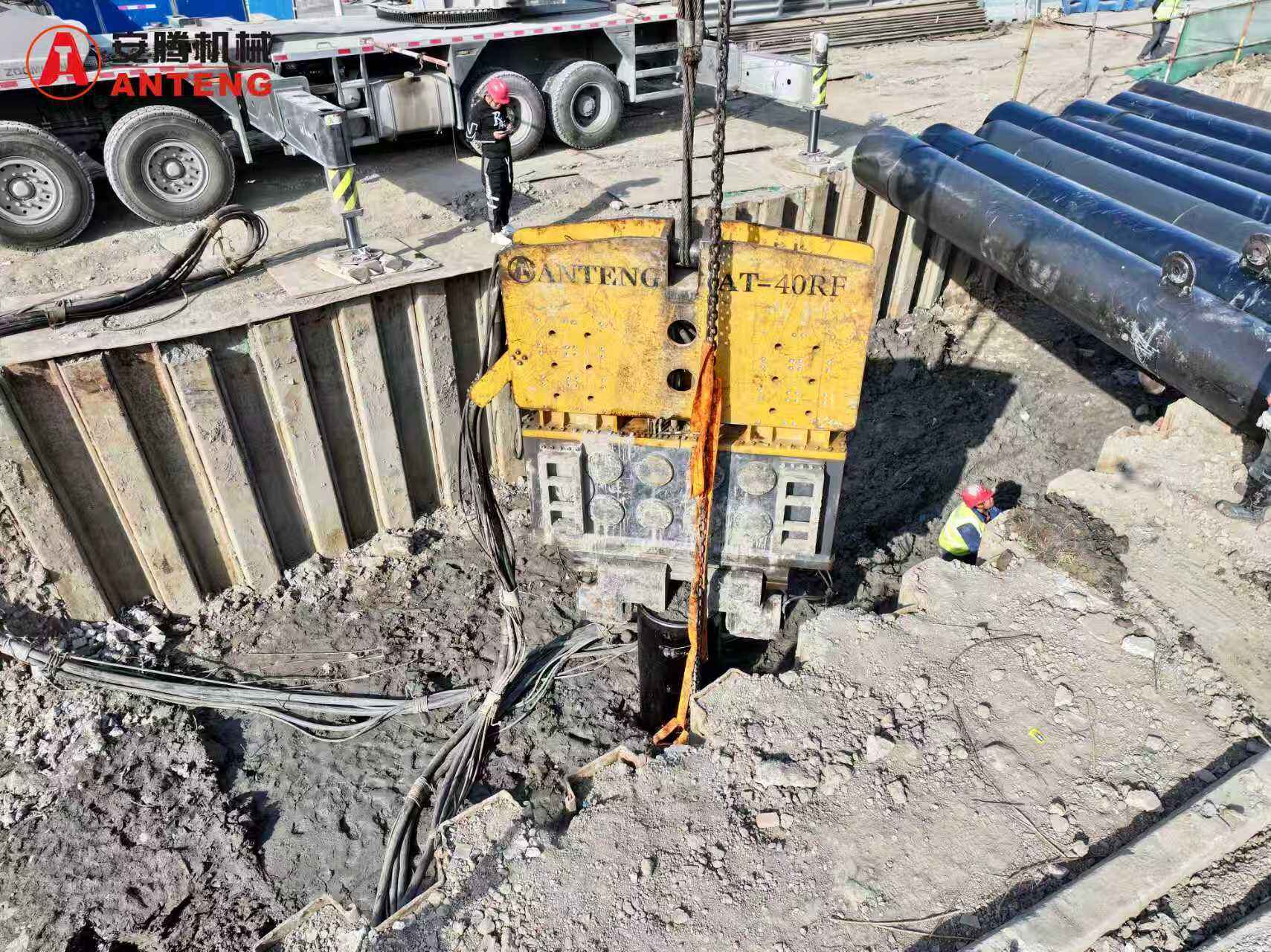
Foundation projects represent the critical starting point for any construction endeavor, and the selection of appropriate piling equipment directly determines the success, efficiency, and structural integrity of the entire project. Understanding the various types of piling equipment available and their specific applications enables engineers, contractors, and project managers to make informed decisions that optimize both performance and cost-effectiveness. The diversity of piling equipment reflects the complexity of modern foundation requirements, from lightweight residential structures to massive commercial and industrial developments.
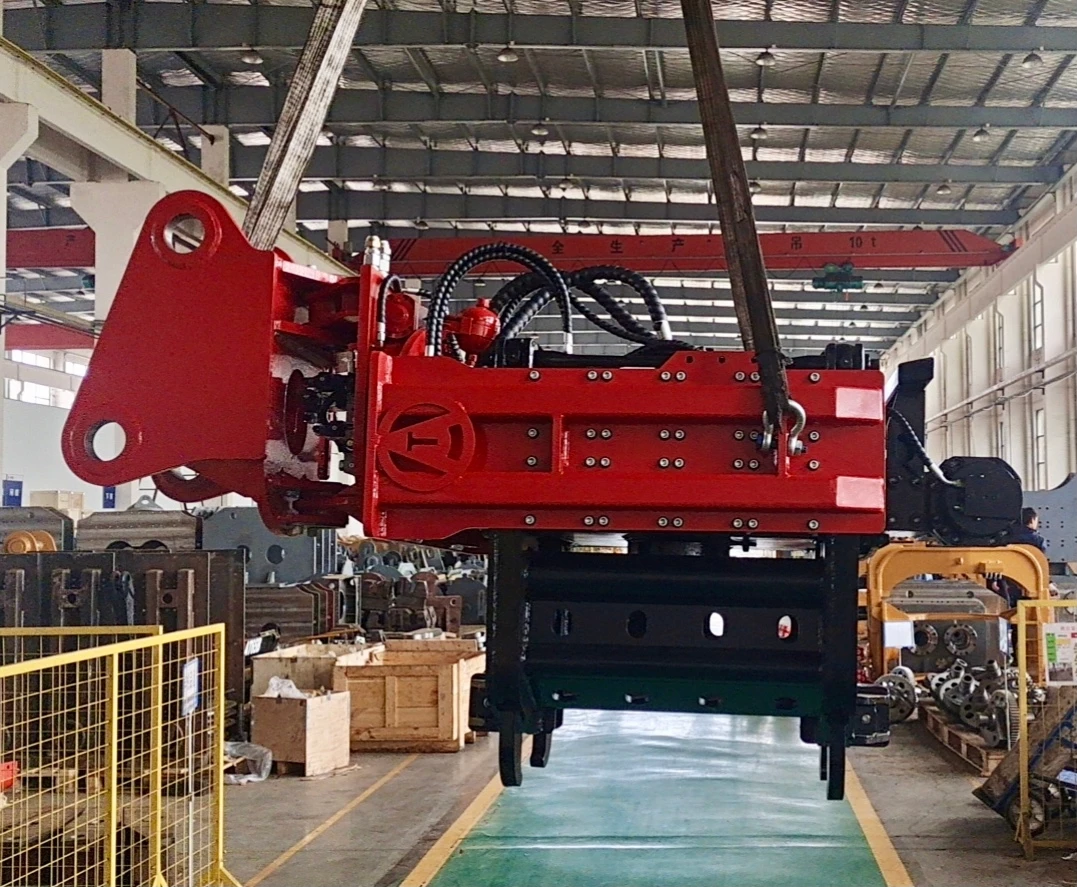
Modern foundation projects demand specialized piling equipment capable of handling diverse soil conditions, varying pile types, and different installation methodologies. The evolution of piling technology has produced sophisticated machinery designed to address specific challenges encountered in contemporary construction environments. From traditional hammer-driven systems to advanced vibratory methods, each category of piling equipment serves distinct purposes and offers unique advantages depending on project specifications, environmental constraints, and structural requirements.
Impact and Hammer-Driven Piling Equipment
Diesel Hammer Systems
Diesel hammer piling equipment represents one of the most established and reliable methods for driving piles into various soil conditions. These systems utilize the explosive force generated by diesel combustion to create the repetitive impact necessary for pile penetration. Diesel hammers operate through a self-contained cycle where fuel ignition creates downward force, making them particularly effective in dense soils and challenging ground conditions. The simplicity of diesel hammer piling equipment contributes to their widespread adoption, as they require minimal external power sources and can operate independently in remote locations.
The effectiveness of diesel hammer systems varies significantly based on pile type and soil characteristics. These machines excel when working with steel H-piles, pipe piles, and precast concrete elements, delivering consistent driving energy that ensures proper pile seating and structural integrity. Modern diesel hammer piling equipment incorporates advanced monitoring systems that track driving parameters, enabling real-time adjustments to optimize performance and prevent pile damage during installation.
Hydraulic Impact Hammers
Hydraulic impact hammers have revolutionized pile driving operations by providing precise control over striking force and frequency. This category of piling equipment utilizes hydraulic pressure to generate impact energy, offering operators the ability to fine-tune driving parameters based on specific project requirements. The controllable nature of hydraulic systems makes them ideal for projects requiring careful pile installation near existing structures or in noise-sensitive environments.
The versatility of hydraulic impact piling equipment extends to their compatibility with various pile types and installation scenarios. These systems can effectively handle everything from small-diameter steel piles to large precast concrete elements, adjusting impact energy to match pile characteristics and soil resistance. Advanced hydraulic hammers incorporate computerized monitoring systems that provide real-time feedback on pile installation progress, ensuring optimal driving efficiency and structural integrity.
Vibratory Piling Equipment Systems
Standard Vibratory Hammers
Vibratory piling equipment operates on fundamentally different principles compared to impact-driven systems, utilizing high-frequency vibrations to reduce soil friction and facilitate pile penetration. Standard vibratory hammers generate oscillations that temporarily liquefy granular soils, creating conditions that significantly reduce the force required for pile installation. This approach proves particularly effective in sandy and loose granular materials where traditional impact methods might encounter excessive resistance or cause soil densification issues.
The operational efficiency of standard vibratory piling equipment makes them attractive for projects involving sheet pile installation, temporary structures, and situations requiring pile extraction capabilities. These systems can both install and remove piles with equal effectiveness, providing contractors with flexible solutions for temporary works and value engineering opportunities. Modern vibratory hammers incorporate variable frequency controls that allow operators to optimize vibration parameters for different soil conditions and pile types.
Excavator-Mounted Vibratory Systems
Excavator-mounted vibratory piling equipment represents a significant advancement in foundation construction technology, combining the mobility and versatility of excavators with the efficiency of vibratory pile driving. These integrated systems eliminate the need for separate crane operations and provide enhanced maneuverability in confined spaces or complex site layouts. The hydraulic power systems of modern excavators seamlessly integrate with vibratory attachments, creating powerful and efficient pile installation platforms.
The adaptability of excavator-mounted vibratory systems makes them particularly valuable for projects involving varied pile types and installation requirements. These machines can quickly transition between different pile sizes and types, utilizing interchangeable clamp systems and adjustable gripping mechanisms. The precision control offered by excavator operators, combined with the consistent driving force of vibratory systems, results in accurate pile placement and optimal installation quality.
Rotary and Auger Piling Equipment
Continuous Flight Auger Systems
Continuous flight auger piling equipment provides a specialized approach to foundation construction that simultaneously excavates soil and installs cast-in-place concrete piles. These systems utilize hollow-stem augers to drill to the required depth while maintaining hole stability through continuous soil removal. The integration of concrete pumping capabilities allows for immediate pile formation, eliminating the need for temporary casing systems and reducing overall installation time.
The precision capabilities of continuous flight auger piling equipment make them ideal for projects requiring accurate pile placement and consistent diameter control. These systems excel in cohesive soils and mixed ground conditions where traditional driving methods might encounter difficulties. The real-time monitoring capabilities integrated into modern auger systems provide operators with detailed information about soil conditions, concrete placement, and pile integrity during installation.
Rotary Drilling Rigs
Rotary drilling piling equipment encompasses a broad range of machines designed for large-diameter drilled shaft construction and specialized foundation applications. These systems utilize powerful rotary mechanisms combined with various drilling tools to create precise excavations for cast-in-place concrete piles, drilled shafts, and specialty foundation elements. The high torque capabilities of rotary drilling rigs enable them to penetrate challenging soil and rock formations that would be impossible for other types of piling equipment.
Advanced rotary drilling piling equipment incorporates sophisticated hydraulic systems that provide precise control over drilling parameters, including rotation speed, penetration rate, and torque application. These machines can accommodate various drilling methods, from simple auger operations to complex rock drilling with casing systems. The versatility of rotary drilling rigs makes them essential for large-scale infrastructure projects requiring deep foundations and high load-bearing capacities.
Specialized Installation Equipment
Hydraulic Press-In Systems
Hydraulic press-in piling equipment represents a revolutionary approach to pile installation that eliminates vibration and noise while providing exceptional precision and control. These systems utilize powerful hydraulic cylinders to gradually push piles into the ground using the weight of previously installed piles as reaction mass. This methodology proves particularly valuable in urban environments where noise restrictions and vibration sensitivity limit the use of traditional impact or vibratory piling equipment.
The environmental advantages of hydraulic press-in systems extend beyond noise reduction to include minimal soil disturbance and reduced impact on adjacent structures. These machines can install piles in extremely tight spaces and sensitive locations where other piling equipment would be impractical or prohibited. The precise control offered by hydraulic press-in systems ensures accurate pile placement and eliminates the risk of pile damage during installation.
Multi-Function Piling Rigs
Multi-function piling equipment combines multiple installation capabilities within a single machine platform, providing contractors with versatile solutions for diverse foundation requirements. These integrated systems can switch between different pile installation methods, including impact driving, vibratory installation, rotary drilling, and augering operations. The operational flexibility of multi-function rigs reduces equipment mobilization costs and enables efficient handling of projects with varied foundation requirements.
The technological sophistication of modern multi-function piling equipment includes computerized control systems that optimize performance for each installation method. These machines incorporate automatic parameter adjustment based on soil conditions and pile characteristics, ensuring consistent installation quality regardless of the selected method. The integration of advanced monitoring and data collection capabilities provides valuable information for quality control and project optimization.
Selection Criteria for Piling Equipment
Soil Condition Considerations
The selection of appropriate piling equipment begins with comprehensive analysis of subsurface conditions and soil characteristics encountered throughout the project site. Different types of piling equipment perform optimally in specific soil conditions, making accurate geotechnical assessment critical for equipment selection success. Dense granular soils typically favor impact-driven systems, while loose sands respond well to vibratory piling equipment, and cohesive clays may require rotary drilling or auger systems for effective pile installation.
Environmental factors significantly influence piling equipment selection, particularly in urban or sensitive locations where noise, vibration, and space constraints limit available options. The proximity of existing structures, underground utilities, and property boundaries directly impacts the feasibility of different piling equipment types. Projects in environmentally sensitive areas may require specialized low-impact piling equipment that minimizes disturbance while maintaining installation effectiveness.
Project Scale and Timeline Requirements
The scale and timeline of foundation projects directly influence the selection of optimal piling equipment for maximum efficiency and cost-effectiveness. Large-scale projects with extensive pile quantities benefit from high-production piling equipment capable of rapid installation rates, while smaller projects may prioritize versatility and mobility over absolute speed. The coordination between piling equipment capabilities and project scheduling requirements ensures efficient resource utilization and timely project completion.
Economic considerations play a crucial role in piling equipment selection, encompassing initial mobilization costs, daily operating rates, and productivity expectations. The analysis of equipment costs must consider not only direct operating expenses but also indirect factors such as site preparation requirements, support equipment needs, and potential impact on adjacent construction activities. Optimal piling equipment selection balances performance capabilities with economic constraints to achieve project objectives within budgetary limits.
FAQ
What factors determine the choice between impact and vibratory piling equipment?
The choice between impact and vibratory piling equipment depends primarily on soil conditions, pile type, and site constraints. Impact systems work best in dense soils and with concrete or heavy steel piles, while vibratory equipment excels in granular soils and with steel sheet piles. Environmental factors like noise restrictions and proximity to sensitive structures also influence this decision, as vibratory systems typically generate less noise than impact hammers.
How do excavator-mounted systems compare to traditional crane-mounted piling equipment?
Excavator-mounted piling equipment offers greater mobility and versatility compared to crane-mounted systems, particularly in confined spaces or projects requiring frequent repositioning. These systems eliminate the need for separate crane operations and provide enhanced precision through direct operator control. However, crane-mounted equipment typically offers higher driving energy and can handle larger pile sizes, making them more suitable for heavy-duty applications and large-scale projects.
What are the advantages of continuous flight auger piling equipment over driven pile methods?
Continuous flight auger piling equipment provides several advantages including reduced noise and vibration, immediate concrete placement, and the ability to work in challenging soil conditions. These systems eliminate the need for pile stockpiling and handling, reducing logistical requirements and site congestion. The cast-in-place nature of auger piles also allows for real-time quality control and adaptability to varying soil conditions encountered during installation.
Can multi-function piling equipment effectively replace specialized single-purpose machines?
Multi-function piling equipment can effectively handle many applications traditionally requiring specialized machines, particularly for projects with diverse foundation requirements. However, specialized single-purpose equipment often provides superior performance for specific applications, especially in challenging conditions or high-production scenarios. The decision depends on project complexity, duration, and the variety of pile types required, with multi-function systems offering flexibility advantages while specialized equipment provides optimal performance for specific tasks.
Table of Contents
- Impact and Hammer-Driven Piling Equipment
- Vibratory Piling Equipment Systems
- Rotary and Auger Piling Equipment
- Specialized Installation Equipment
- Selection Criteria for Piling Equipment
-
FAQ
- What factors determine the choice between impact and vibratory piling equipment?
- How do excavator-mounted systems compare to traditional crane-mounted piling equipment?
- What are the advantages of continuous flight auger piling equipment over driven pile methods?
- Can multi-function piling equipment effectively replace specialized single-purpose machines?