 EN
EN
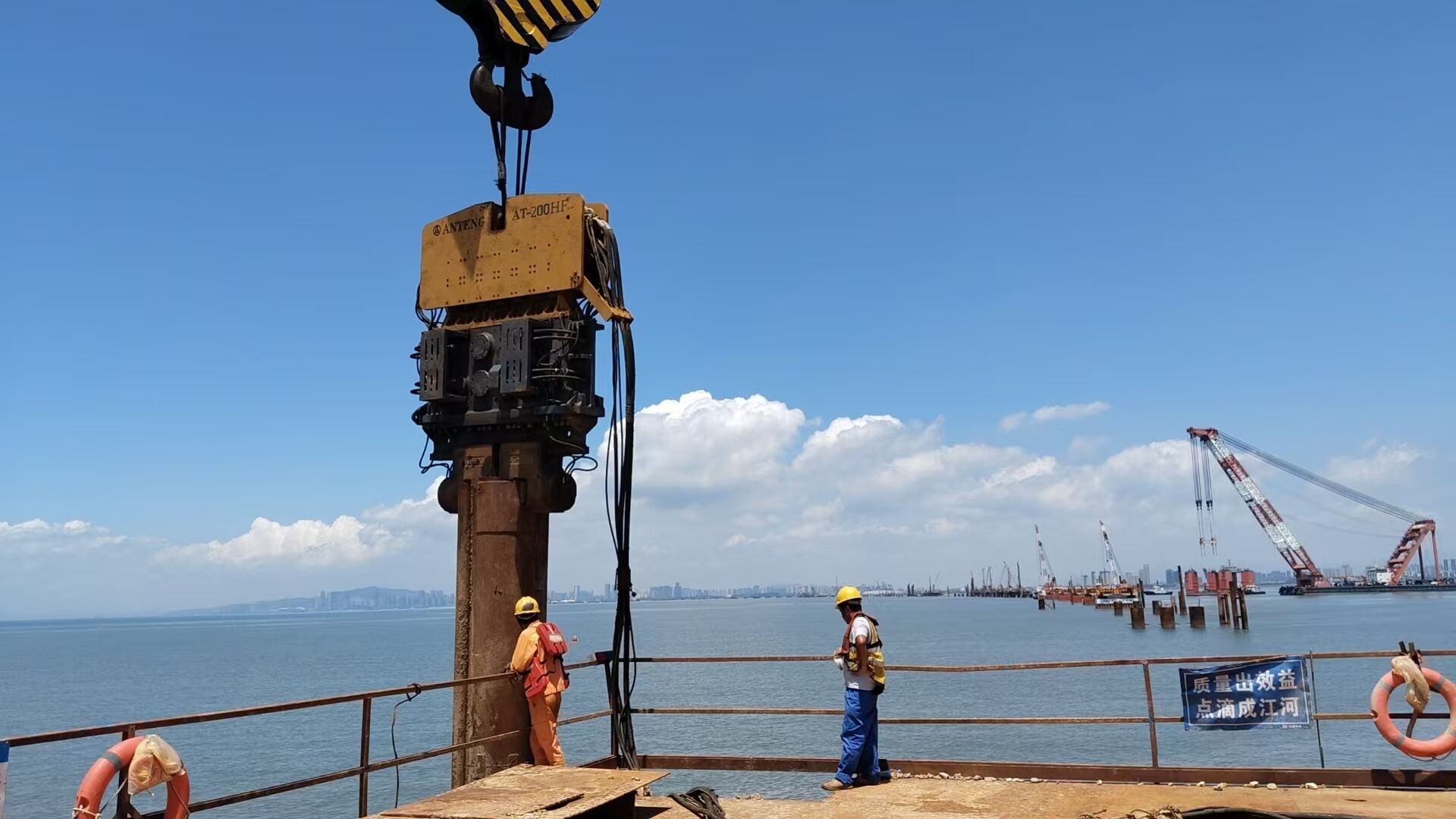
Maintaining a hydraulic hammer for long-term reliability requires a systematic approach that addresses both preventive and corrective maintenance strategies. The complex nature of hydraulic systems means that proper maintenance directly impacts equipment performance, operational costs, and project timelines. Understanding the fundamental maintenance requirements for a hydraulic hammer enables operators to maximize equipment lifespan while minimizing unexpected downtime and costly repairs.
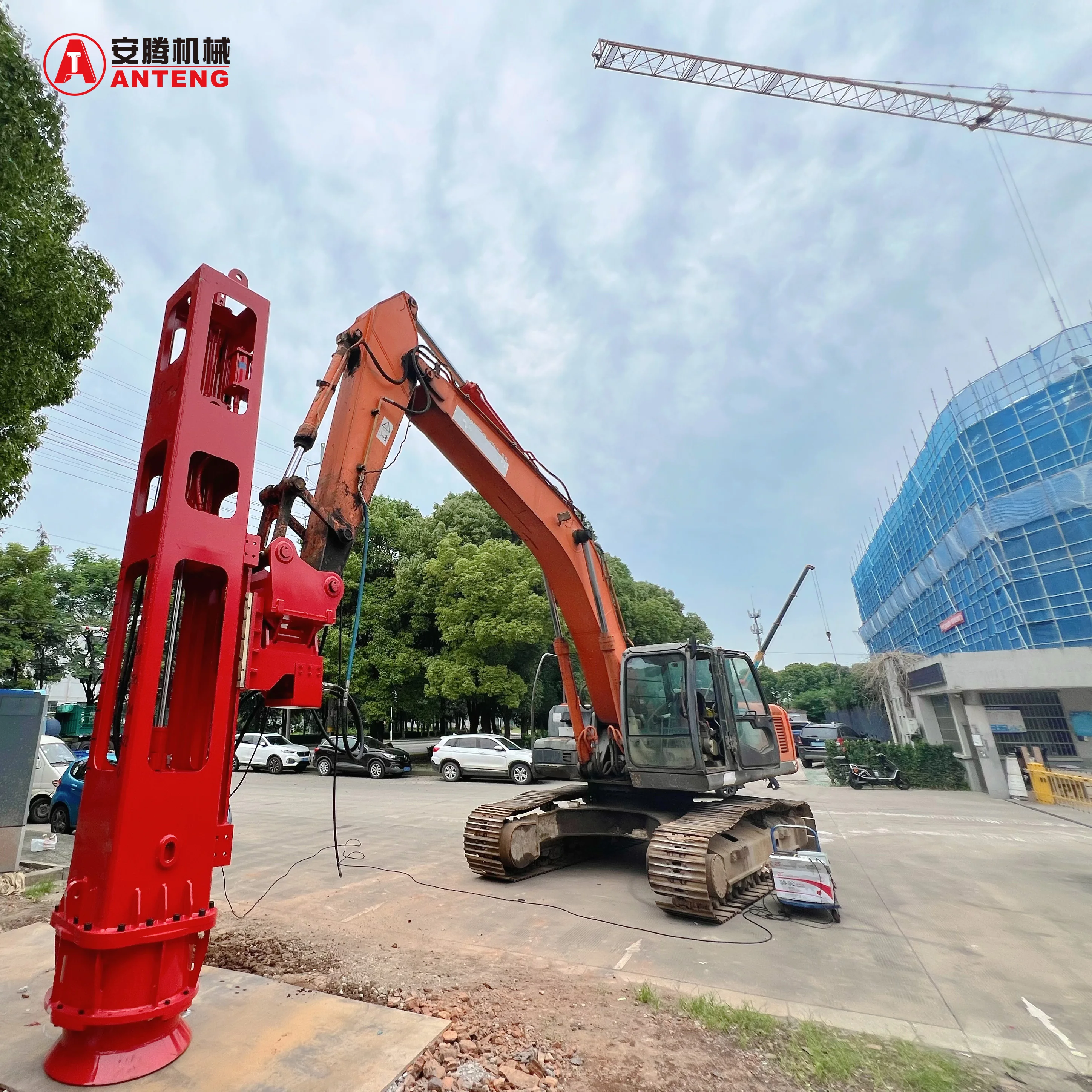
The maintenance process for a hydraulic hammer encompasses several critical areas including hydraulic system integrity, mechanical component inspection, lubrication management, and environmental protection measures. Each maintenance aspect contributes to the overall reliability equation, where neglecting any single element can compromise the entire system's performance. Professional maintenance protocols ensure that hydraulic pressure remains consistent, wear components function within acceptable parameters, and safety systems operate reliably throughout the equipment's service life.
Essential Hydraulic System Maintenance Procedures
Hydraulic Fluid Management and Quality Control
Proper hydraulic fluid management forms the foundation of effective hydraulic hammer maintenance. The hydraulic fluid serves multiple functions including power transmission, lubrication, cooling, and contamination removal. Regular fluid analysis helps identify potential issues before they escalate into major failures, making fluid quality monitoring essential for long-term reliability.
The hydraulic hammer requires specific fluid types that meet manufacturer specifications for viscosity, temperature range, and additive packages. Contaminated or degraded hydraulic fluid can cause accelerated wear, reduced efficiency, and system damage. Operators should establish fluid sampling schedules based on operating hours, environmental conditions, and manufacturer recommendations to maintain optimal fluid condition.
Fluid replacement intervals depend on operating conditions, with severe environments requiring more frequent changes. Clean fluid storage, proper handling procedures, and contamination prevention measures ensure that fresh hydraulic fluid maintains its protective properties. Regular filter replacement accompanies fluid changes to maintain system cleanliness and prevent particulate contamination from damaging sensitive hydraulic components.
Pressure System Inspection and Testing
Hydraulic pressure system integrity directly affects the performance and safety of the hydraulic hammer. Regular pressure testing verifies that the system operates within specified parameters and identifies potential leaks or pressure losses. Pressure relief valves require periodic testing to ensure they function correctly and protect the system from overpressure conditions.
Hydraulic hoses and fittings demand regular inspection for wear, damage, or deterioration that could lead to sudden failures. High-pressure hydraulic systems generate significant forces, making hose integrity critical for both performance and safety. Visual inspections combined with pressure testing help identify components that require replacement before failure occurs.
Accumulator systems, where present, require specialized maintenance procedures including nitrogen pressure checks and seal inspections. These components store hydraulic energy and require proper maintenance to ensure consistent power delivery and system responsiveness. Regular testing verifies that accumulators maintain proper pre-charge pressure and function correctly during operation.
Mechanical Component Care and Inspection
Impact Mechanism Maintenance Requirements
The impact mechanism represents the core functional component of the hydraulic hammer, requiring specialized maintenance attention to ensure reliable operation. This mechanism experiences extreme forces and repetitive stress, making regular inspection and maintenance critical for preventing catastrophic failures. Understanding the wear patterns and maintenance requirements helps operators maintain peak performance while extending component life.
Piston and cylinder components require regular inspection for wear, scoring, or damage that could compromise sealing or performance. These precision-machined components operate under extreme pressure and temperature conditions, making them susceptible to various forms of wear and degradation. Regular measurement and comparison to manufacturer specifications help determine when replacement becomes necessary.
Strike plate and tool interface components experience direct impact forces and require frequent inspection for cracks, deformation, or excessive wear. These components directly affect the energy transfer efficiency and must maintain proper dimensions and surface conditions. Regular replacement of wear components prevents damage to more expensive core components and maintains consistent performance.
Mounting and Attachment System Maintenance
The mounting system connects the hydraulic hammer to the carrier equipment and requires regular inspection to ensure secure attachment and proper alignment. Loose or worn mounting components can cause vibration, misalignment, and accelerated wear throughout the system. Regular torque checking and component inspection prevent attachment failures that could result in equipment damage or safety hazards.
Hydraulic quick-connect systems, where present, require regular inspection and maintenance to ensure reliable connection and disconnection. These systems must maintain proper sealing while allowing for easy attachment changes. Regular cleaning, lubrication, and seal inspection ensure that quick-connect systems function reliably throughout their service life.
Vibration dampening components require periodic inspection and replacement to maintain operator comfort and reduce stress on the carrier equipment. These components absorb and isolate the hammer's operational vibrations, preventing fatigue damage to the mounting structure. Regular inspection identifies wear or deterioration that could compromise vibration control effectiveness.
Preventive Maintenance Scheduling and Documentation
Maintenance Interval Planning and Optimization
Effective maintenance scheduling balances equipment reliability with operational availability, ensuring that maintenance activities occur at optimal intervals without unnecessarily interrupting productive work. The hydraulic hammer maintenance schedule should consider operating hours, duty cycles, environmental conditions, and manufacturer recommendations to establish appropriate service intervals.
Daily, weekly, monthly, and annual maintenance tasks require clear definition and scheduling to ensure comprehensive coverage of all system components. Short-interval maintenance focuses on fluid levels, visual inspections, and operational checks, while longer intervals address component replacement, detailed inspections, and system testing. Proper scheduling prevents maintenance tasks from clustering and overwhelming maintenance resources.
Condition-based maintenance strategies use equipment monitoring and diagnostic data to optimize maintenance timing based on actual component condition rather than fixed intervals. This approach can extend service intervals for components in good condition while identifying components requiring immediate attention. Advanced monitoring systems provide data that supports more efficient maintenance scheduling and resource allocation.
Documentation and Record Keeping Systems
Comprehensive maintenance documentation provides the foundation for effective hydraulic hammer reliability management. Detailed records track component history, failure patterns, and maintenance effectiveness, enabling continuous improvement in maintenance strategies. Proper documentation also supports warranty claims, resale value, and regulatory compliance requirements.
Maintenance records should include component replacement dates, service procedures performed, fluid analysis results, and any operational issues identified during maintenance activities. Digital record-keeping systems facilitate data analysis and trend identification, helping operators optimize maintenance strategies based on historical performance data. Regular record review identifies patterns that suggest opportunities for improvement.
Failure analysis documentation helps identify root causes of component failures and guides preventive maintenance improvements. Understanding failure modes and their underlying causes enables operators to adjust maintenance procedures, intervals, or operating practices to prevent recurrence. This systematic approach to failure analysis drives continuous improvement in hydraulic hammer reliability.
Troubleshooting and Performance Optimization
Common Issue Identification and Resolution
Effective troubleshooting requires systematic approaches to identify and resolve performance issues before they escalate into major failures. The hydraulic hammer's complex systems can exhibit various symptoms that indicate developing problems, making early detection and correction essential for maintaining reliability. Understanding common failure modes and their symptoms enables rapid diagnosis and appropriate corrective action.
Hydraulic system issues often manifest as reduced impact energy, inconsistent cycling, or unusual noise and vibration patterns. These symptoms can indicate problems with fluid quality, pressure regulation, or component wear. Systematic diagnostic procedures help isolate the root cause and determine appropriate corrective measures to restore proper operation.
Performance monitoring and trending help identify gradual degradation that might not be immediately apparent during normal operation. Regular performance measurements compared to baseline values reveal developing issues and enable proactive maintenance before failures occur. This approach prevents unexpected downtime and extends equipment life through timely intervention.
Optimization Strategies for Enhanced Reliability
Continuous improvement in maintenance practices enhances hydraulic hammer reliability through systematic optimization of procedures, intervals, and techniques. Regular review of maintenance effectiveness identifies opportunities to improve reliability while potentially reducing maintenance costs. This ongoing optimization process ensures that maintenance strategies evolve with equipment condition and operational requirements.
Environmental considerations significantly impact maintenance requirements and should be factored into optimization strategies. Harsh operating conditions may require more frequent maintenance intervals or specialized procedures to maintain reliability. Understanding environmental impacts enables appropriate adjustments to maintenance programs that account for specific operating conditions.
Training and skill development for maintenance personnel directly impacts maintenance quality and equipment reliability. Well-trained technicians identify issues earlier, perform maintenance procedures correctly, and make better decisions regarding component replacement timing. Regular training updates ensure that maintenance personnel stay current with best practices and new technologies that can improve maintenance effectiveness.
FAQ
How often should hydraulic fluid be changed in a hydraulic hammer?
Hydraulic fluid change intervals typically range from 500 to 2000 operating hours depending on operating conditions, fluid quality, and manufacturer specifications. Severe operating conditions such as high temperatures, dusty environments, or heavy duty cycles may require more frequent changes. Regular fluid analysis provides the most accurate determination of when fluid replacement is necessary based on actual condition rather than fixed intervals.
What are the most critical wear components in a hydraulic hammer?
The most critical wear components include the piston, cylinder, seals, strike plate, and tool interface components. These parts experience direct impact forces and high-pressure hydraulic contact, making them susceptible to wear and requiring regular inspection and replacement. Maintaining these components in good condition is essential for reliable operation and preventing damage to more expensive core components.
Can hydraulic hammer maintenance be performed by operators or does it require specialists?
Basic maintenance tasks such as fluid level checks, visual inspections, and routine lubrication can typically be performed by trained operators following manufacturer procedures. However, complex tasks involving hydraulic system repair, internal component replacement, or pressure system testing usually require specialized technicians with appropriate training and equipment. The maintenance manual should clearly specify which tasks are appropriate for operator-level maintenance versus specialist service.
What environmental factors most significantly impact hydraulic hammer maintenance requirements?
Temperature extremes, dust and contamination levels, moisture exposure, and operational duty cycles most significantly impact maintenance requirements. Cold weather may require different fluid specifications and more frequent seal inspections, while hot conditions accelerate fluid degradation and increase cooling system demands. Dusty or contaminated environments require more frequent filter changes and additional contamination control measures to maintain system reliability.
Table of Contents
- Essential Hydraulic System Maintenance Procedures
- Mechanical Component Care and Inspection
- Preventive Maintenance Scheduling and Documentation
- Troubleshooting and Performance Optimization
-
FAQ
- How often should hydraulic fluid be changed in a hydraulic hammer?
- What are the most critical wear components in a hydraulic hammer?
- Can hydraulic hammer maintenance be performed by operators or does it require specialists?
- What environmental factors most significantly impact hydraulic hammer maintenance requirements?