
 EN

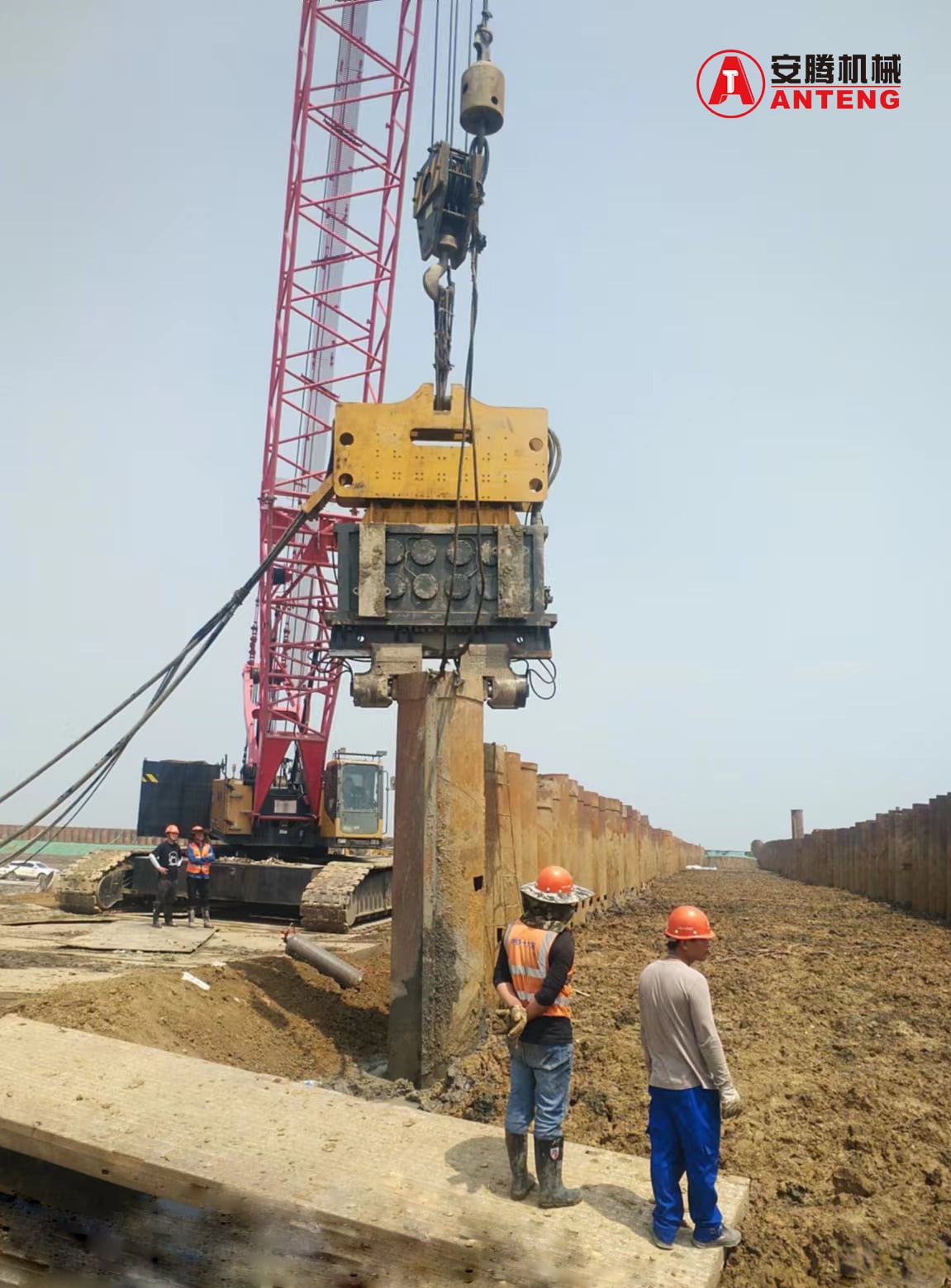
Selecting the correct pile hammer is one of the most critical decisions in foundation construction and deep soil improvement projects. A pile hammer determines whether your steel or concrete pile installation will succeed on schedule, within budget, and with minimal environmental impact. The wrong choice leads to equipment downtime, poor pile penetration, structural defects, and costly project delays. Understanding the fundamentals of pile hammer selection ensures your team matches equipment capabilities to site conditions, soil characteristics, and pile specifications.
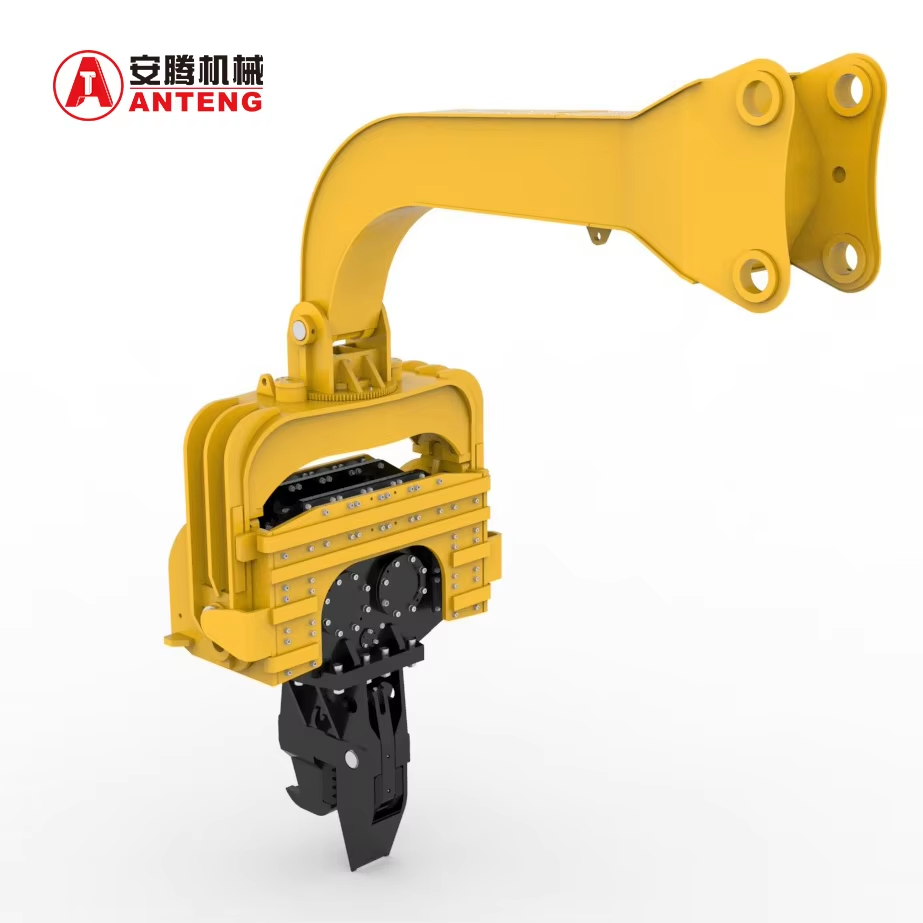
A pile hammer is specialized equipment designed to drive piles into the ground using repetitive force, vibration, or impact. These machines are essential for creating deep foundations, anchoring structures in unstable soil, and preparing sites for bridges, buildings, offshore platforms, and industrial facilities. Choosing the right pile hammer requires evaluating multiple technical factors, including pile type, soil conditions, driving depth, noise constraints, and equipment mobility.
Understanding Pile Hammer Types and Mechanisms
Impact and Diesel-Powered Pile Hammers
Impact-driven pile hammers operate by dropping or striking a heavy hammer block repeatedly onto the pile head, transferring kinetic energy to drive the pile deeper. Diesel-powered pile hammers are common in remote locations and challenging environments because they require no external power source. These pile hammer models deliver high impact force but generate significant noise and vibration, which can be problematic in urban areas or near sensitive structures. Impact pile hammers excel in dense clay, gravel layers, and hard soil conditions where penetration resistance is high.
Vibratory Pile Hammers
Vibratory pile hammers use rapid oscillation to reduce soil friction and allow piles to settle under their own weight. A pile hammer of this type operates at frequencies typically between 10 and 80 hertz, creating a dynamic compaction effect that liquefies soil around the pile shaft. Vibratory pile hammers are particularly effective for steel piles and H-beams in sandy or silty soils where friction resistance is the primary challenge. These pile hammer designs operate more quietly than impact models and reduce ground vibration, making them suitable for environmentally sensitive projects.
Matching Pile Hammer Selection to Soil and Pile Type
Soil Condition Assessment for Pile Hammer Deployment
Soil composition directly influences which pile hammer performs most efficiently. In cohesive soils like clay, a traditional impact-driven pile hammer delivers maximum driving force because soil friction is the limiting factor. For granular soils like sand and gravel, a vibratory pile hammer reduces driving time by 30 to 50 percent because vibration temporarily reduces soil bearing resistance. Rocky or mixed-layer soils demand a pile hammer with adjustable impact frequency and variable amplitude settings. Before specifying any pile hammer, conduct soil boring and laboratory testing to classify soil layers, identify bearing capacity, and predict pile driving resistance.
Pile Type Specifications and Hammer Compatibility
Steel H-piles, steel tube piles, and reinforced concrete piles each have different tolerance ranges for impact force and vibratory stress. Steel piles typically weigh 150 to 500 pounds per linear foot and can tolerate higher impact rates, making them compatible with both impact and vibratory pile hammer types. Reinforced concrete piles are heavier and more brittle, requiring careful hammer selection to avoid tension cracks and internal damage. A pile hammer must match the designed striking energy to the pile's compressive and shear strength ratings. Manufacturers provide pile hammer specifications in terms of delivered energy per blow, measured in foot-pounds or kilowatts, which must be cross-referenced against pile design documents.
Critical Specifications and Performance Criteria
Driving Energy, Frequency, and Penetration Depth
A pile hammer's driving energy capacity determines how effectively it overcomes soil resistance at depth. Energy output is influenced by hammer mass, drop height, and stroke frequency. For shallow installations up to 40 feet, a mid-range pile hammer delivers 5,000 to 15,000 foot-pounds per blow. Deep piling projects requiring 80 to 150 feet of penetration demand a heavy-duty pile hammer with 30,000 to 50,000 foot-pounds per blow or continuous vibratory power output of 50 to 150 kilowatts. Driving speed, measured in blows per minute or hertz frequency, affects project duration and noise emissions. A pile hammer operating at 40 to 60 blows per minute is typical for impact models, while vibratory pile hammer frequencies range from 10 to 80 hertz depending on soil type and pile size.
Noise, Vibration, and Environmental Compliance
Environmental regulations increasingly restrict noise and ground vibration from pile driving activities. Impact-driven pile hammers generate 90 to 110 decibels at 50 feet, often exceeding local noise ordinances in residential or commercial zones. Vibratory pile hammers produce 75 to 95 decibels under similar conditions, making them preferable for noise-sensitive projects. Ground vibration is measured in peak particle velocity, which can damage neighboring structures if a pile hammer induces excessive ground motion. European and Asian standards specify maximum vibration limits, often 5 to 10 millimeters per second at property lines. Selecting a quieter, low-vibration pile hammer model may increase equipment rental costs by 20 to 40 percent but eliminates costly mitigation measures and regulatory fines.
Equipment Mobility and Site Access Constraints
Pile hammer selection must account for site access, equipment mobility, and rigging requirements. Small-diameter steel piles in confined urban spaces may require a compact, skid-mounted pile hammer weighing 5 to 15 tons. Large marine or offshore pile driving projects demand heavy-duty pile hammer units mounted on barge-based rigs or purpose-built floating equipment. A pile hammer's total system weight, including power unit, frame, and guide structure, determines whether it can be transported by truck, barge, or helicopter. Mobile pile hammers provide flexibility but sacrifice power output compared to stationary installations. For remote locations or difficult terrain, pile hammer options with self-contained diesel engines or hydraulic power units eliminate dependence on external power infrastructure.
Decision Framework and Specification Process
Evaluating Hammer Capacity Against Project Requirements
A structured decision process minimizes the risk of selecting an undersized or oversized pile hammer. Begin by compiling site-specific data: soil boring logs, pile design load, driving depth, allowable noise levels, and project timeline. Next, calculate the required driving energy using industry formulas based on estimated soil resistance. Compare this calculated demand against available pile hammer models, accounting for 20 to 30 percent performance margin for unexpected hard layers or soil variability. Consult equipment manufacturers' technical data sheets to verify that your selected pile hammer delivers adequate energy at the required frequency without exceeding noise or vibration limits.
Cost and Schedule Implications of Pile Hammer Selection
Pile hammer choice directly impacts project cost and duration. An undersized pile hammer increases driving time by 50 to 200 percent, escalating equipment rental fees, labor costs, and schedule risk. An oversized pile hammer increases fuel consumption, requires larger support equipment, and may damage piles or soil structure. Vibratory pile hammers typically reduce installation time by 30 to 50 percent compared to impact models in suitable soils but cost 15 to 40 percent more to rent. Noise mitigation measures, such as sound barriers and vibration isolation pads, add 10 to 25 percent to equipment costs. Balancing these factors requires comparing total project cost across different pile hammer scenarios, not just equipment rental rate.
FAQ
What is the difference between impact and vibratory pile hammers?
Impact pile hammers strike piles repeatedly with high force to overcome soil resistance, generating significant noise and vibration. Vibratory pile hammers use rapid oscillation to reduce friction and allow piles to settle, operating more quietly and efficiently in granular soils. Impact pile hammers excel in cohesive soils and deliver maximum force, while vibratory pile hammers reduce driving time in sandy or silty conditions and are preferred for environmentally sensitive areas.
How do I determine the correct pile hammer driving energy for my project?
Pile hammer driving energy is calculated using soil boring data, pile specifications, and industry formulas that account for estimated soil resistance. Engineering consultants typically perform wave equation analysis or load cell testing to predict required energy. Add 20 to 30 percent performance margin to accommodate soil variability and unexpected hard layers. Cross-reference your calculated requirement against manufacturer data sheets for available pile hammer models.
Are vibratory pile hammers suitable for concrete piles in clay soils?
Vibratory pile hammers are less effective in clay and cohesive soils because vibration does not significantly reduce friction in these soil types. Impact-driven pile hammers are generally preferred for concrete piles in clay, as they deliver the high striking energy needed to overcome soil adhesion. Vibratory pile hammers perform best with steel piles in granular soils where friction reduction provides maximum benefit. Always consult geotechnical data and equipment manufacturers before selecting a pile hammer type for clay applications.