
 EN

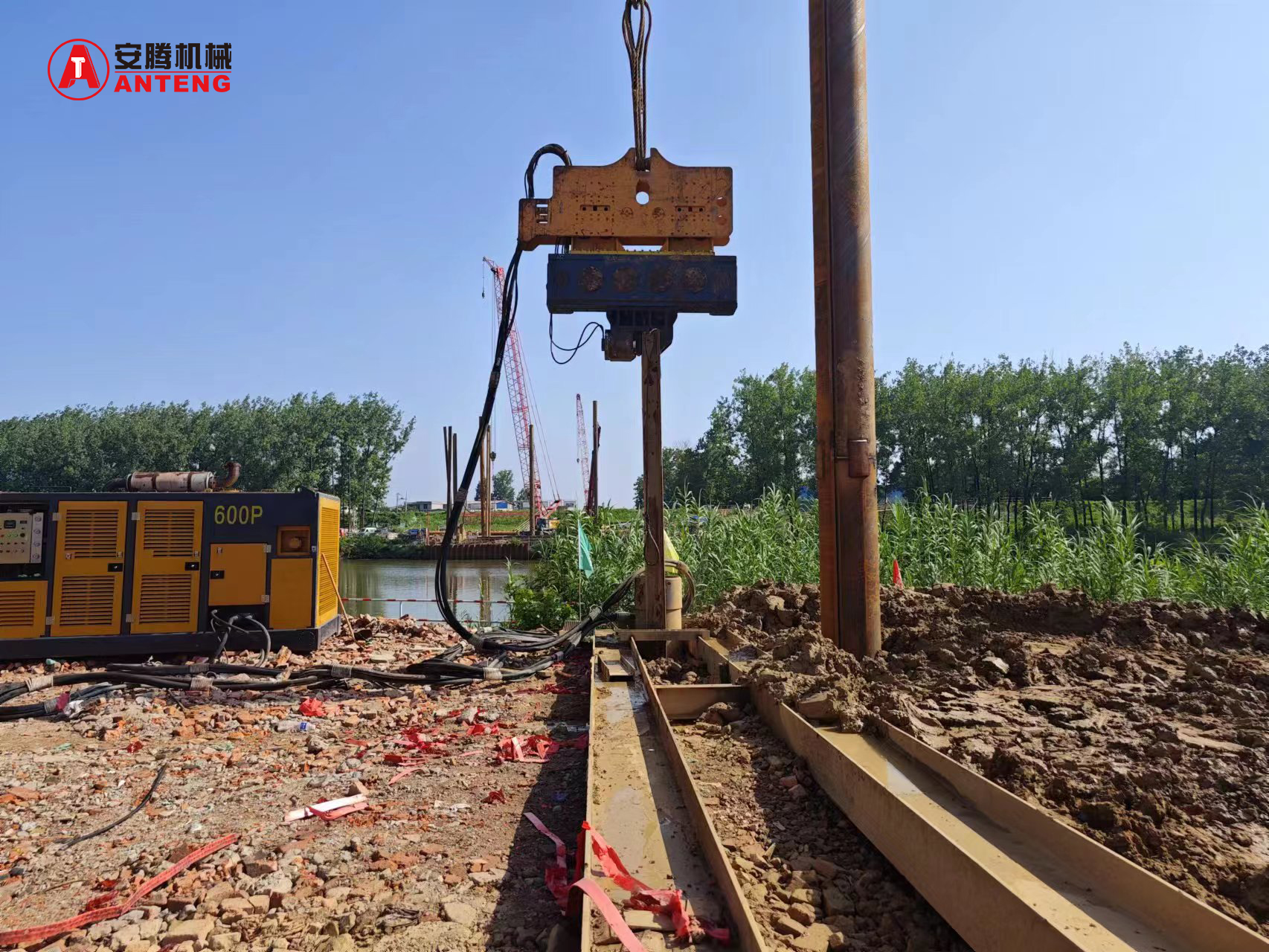
Understanding the lifespan of a pile hammer is critical for procurement teams tasked with acquiring reliable foundation equipment. A pile hammer represents a substantial capital investment, and its operational longevity directly impacts project timelines, maintenance budgets, and overall cost-effectiveness. Procurement professionals must grasp the factors influencing pile hammer durability to negotiate better contracts, plan replacement cycles, and avoid costly unexpected failures. This knowledge separates strategic purchasing decisions from reactive equipment procurement that often leads to operational disruptions and inflated maintenance expenses.
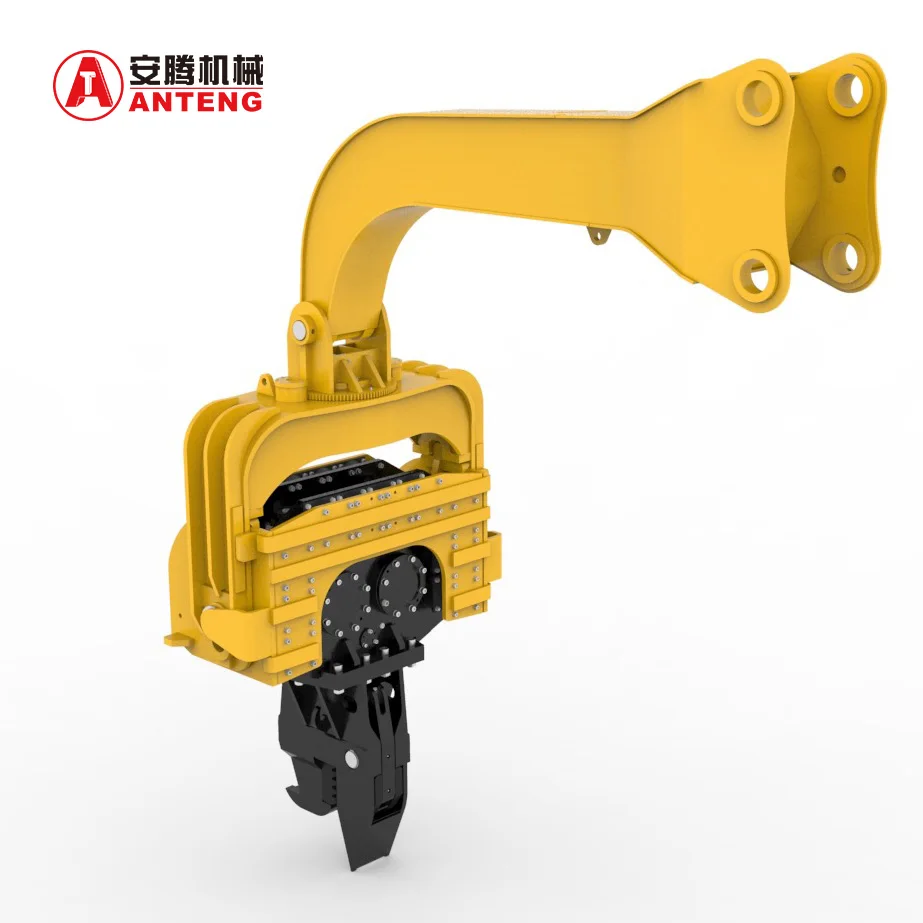
The typical pile hammer operates in demanding conditions involving repetitive impact loads, abrasive soil contact, and exposure to moisture and corrosion. Different pile hammer models, designs, and manufacturers offer varying durability profiles based on material composition, engineering standards, and operational parameters. Procurement teams must understand these technical distinctions to compare equipment effectively, forecast maintenance intervals, and align equipment selection with project-specific demands. Without this foundational knowledge, organizations risk purchasing pile hammer equipment that underperforms in their specific operational environment or requires premature replacement, ultimately eroding procurement credibility and stretching capital budgets beyond planned allocations.
Typical Pile Hammer Lifespan and Durability Factors
Expected Operating Life of Standard Pile Hammer Equipment
Most commercial pile hammer units operate effectively for eight to fifteen years under normal working conditions, though this range varies significantly based on usage intensity and maintenance rigor. A pile hammer deployed on routine projects with consistent soil conditions and proper care may approach or exceed the fifteen-year mark, while aggressive applications with challenging substrates may reduce operational life to eight to ten years. Procurement teams should recognize that this lifespan estimate assumes adherence to manufacturer maintenance recommendations, regular inspections, and timely component replacement. A pile hammer subjected to continuous high-frequency operation in corrosive or abrasive environments will inevitably experience accelerated wear, necessitating procurement decisions that account for operational context rather than relying on generic industry benchmarks.
Material Degradation and Component Wear in Pile Hammer Systems
The pile hammer's longevity depends heavily on material degradation patterns within critical components such as the impact block, guide frame, and hydraulic systems. Steel components experience fatigue from repeated impact cycles, while hydraulic seals degrade through exposure to temperature fluctuations and contamination. A pile hammer's structural steel can develop micro-fractures after hundreds of thousands of impact cycles, reducing its ability to handle design loads safely. Procurement teams must understand that a pile hammer may appear functional while internal material degradation progresses silently, making pre-purchase inspections and documented maintenance histories invaluable when evaluating used or refurbished equipment. Investing in pile hammer units with premium alloy specifications and enhanced corrosion protection often extends operational life significantly, justifying higher initial acquisition costs through reduced replacement frequency.
Maintenance and Operational Practices That Extend Pile Hammer Life
Scheduled Maintenance Requirements for Pile Hammer Equipment
Implementing rigorous maintenance schedules is the single most effective method for extending pile hammer operational life. Monthly inspections of the pile hammer's guide frame, rope or cable systems, and impact block can identify wear patterns before catastrophic failure occurs. Quarterly servicing of hydraulic fluids, filter replacement, and seal inspections prevents contamination-related damage that accelerates pile hammer degradation. Annual comprehensive pile hammer audits, including ultrasonic thickness testing of structural components and load-capacity verification, provide objective data on remaining service life. Procurement teams should mandate that equipment suppliers provide detailed maintenance logs and certification of pile hammer compliance with industry standards before accepting delivery, establishing clear accountability for equipment condition and creating baseline documentation for future replacement decisions.
Environmental and Operational Controls Affecting Pile Hammer Durability
The geographic and climatic context where a pile hammer operates profoundly influences its effective lifespan. Coastal environments introduce salt spray corrosion that degrades unprotected steel surfaces within a pile hammer much faster than inland applications, potentially reducing useful life by thirty to forty percent. Extreme temperature cycling in arctic or desert climates stresses hydraulic systems, seals, and frame connections, accelerating mechanical fatigue in the pile hammer's structural components. Procurement teams should select pile hammer specifications explicitly designed for their operational environment, including epoxy coating systems, stainless fasteners, and enhanced seal materials rated for environmental extremes. Additionally, operational practices such as avoiding sudden load impacts beyond design capacity, maintaining stable operating temperatures, and protecting the pile hammer from prolonged idle periods during weather events directly preserve equipment functionality and extend the realistic service window.
Procurement Decision Factors and Equipment Selection
Evaluating Pile Hammer Quality and Build Standards
Procurement professionals evaluating new or used pile hammer equipment should prioritize vendors who provide transparent technical specifications, including material certifications, design load calculations, and fatigue analysis documentation. A pile hammer manufactured to recognized international standards such as DIN or API guidelines offers greater assurance of durability compared to equipment meeting only minimal domestic requirements. Independent third-party inspection reports provide objective assessment of a pile hammer's structural integrity, internal component conditions, and remaining useful life, reducing procurement risk when purchasing refurbished or legacy equipment. Requesting detailed pile hammer operating hour logs, maintenance records, and previous project history allows procurement teams to assess whether equipment has been used within design parameters or subjected to abuse that compromises residual life expectancy. Establishing relationships with pile hammer suppliers who offer extended warranties, documented maintenance programs, and transparent buyback provisions aligns vendor incentives with equipment longevity, encouraging responsible manufacturing and service practices.
Total Cost of Ownership Analysis for Pile Hammer Procurement
Procurement decisions should incorporate total cost of ownership calculations that account for pile hammer acquisition cost, anticipated maintenance expenses, expected operational life, and eventual disposal or salvage value. A lower-priced pile hammer with limited lifespan and high maintenance demands often costs more over its full lifecycle than a premium-engineered unit requiring less frequent intervention. Procurement teams should request quotations that itemize expected maintenance costs, component replacement expenses, and anticipated downtime periods across the anticipated pile hammer operational life, enabling accurate comparison between competing equipment options. Creating internal procurement standards that define minimum acceptable pile hammer specifications based on project type, soil conditions, and operational duration ensures consistent equipment quality and reduces procurement decisions driven solely by short-term cost minimization. Documented pile hammer acquisition and lifecycle cost analysis provides justification for equipment investment decisions to financial leadership and establishes precedent for future procurement strategies that emphasize long-term value creation over initial purchase price.
FAQ
How often should a pile hammer undergo inspection to ensure maximum lifespan?
A pile hammer should be inspected monthly during active operation, with quarterly servicing of hydraulic and mechanical systems and annual comprehensive audits by qualified technicians. Regular inspection schedules allow early detection of wear patterns, corrosion, or component degradation that could compromise pile hammer safety and reduce remaining operational life. Documentation of all inspection findings creates an objective maintenance history that supports future procurement decisions and warranty claims.
What are the most common causes of premature pile hammer failure?
Premature pile hammer failure typically results from deferred maintenance, operation beyond design load specifications, inadequate corrosion protection in harsh environments, and contaminated hydraulic fluid. Procurement teams can prevent these issues by establishing clear equipment maintenance protocols, training operators on proper load limits, and selecting pile hammer models with environmental protection features appropriate for their operational context. Vendor selection, proper storage, and adherence to maintenance schedules substantially reduce the risk of premature pile hammer failure.
Can refurbished pile hammer equipment provide comparable lifespan to new units?
Refurbished pile hammer equipment can offer excellent value and comparable remaining lifespan to new units when purchased from reputable suppliers who provide transparent documentation of component replacement, structural inspection results, and comprehensive testing. Procurement teams should verify that critical components such as the impact block and structural frame have been restored to original specifications and that the pile hammer has been certified for continued service. Obtaining independent third-party inspection and requesting extended warranties on refurbished pile hammer units reduces acquisition risk and ensures procurement decisions are grounded in objective equipment condition assessment.