
 EN

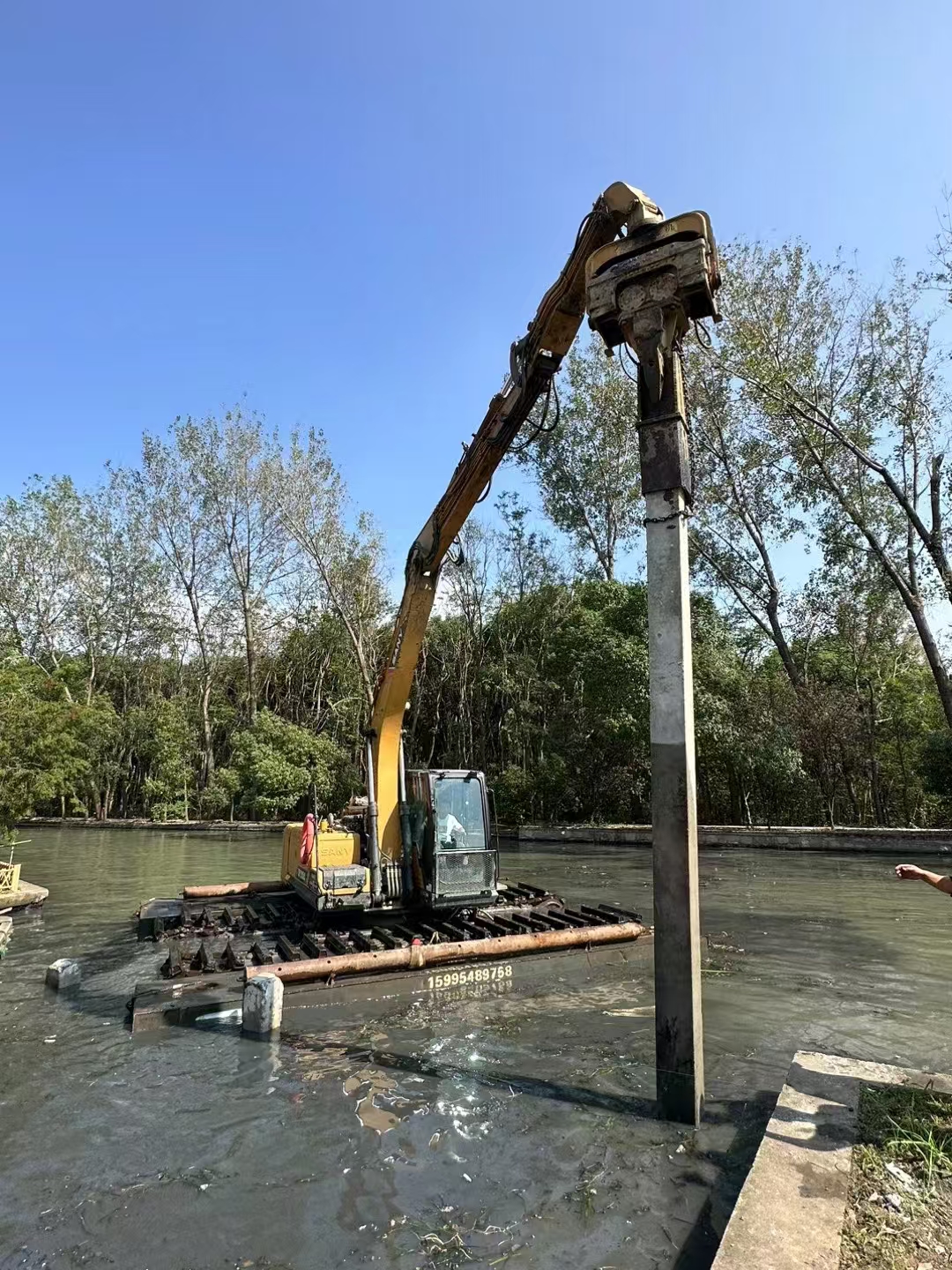
Selecting the right excavator vibro hammer for piling tasks is critical to the success of your foundation work. An excavator vibro hammer is a specialized attachment that transforms an excavator into an efficient pile driving machine, delivering consistent frequency and force to drive steel or concrete piles into the ground. The choice of excavator vibro hammer directly impacts project timeline, cost efficiency, and the structural integrity of finished foundations. Understanding how to evaluate and select the appropriate excavator vibro hammer ensures that your equipment matches the soil conditions, pile specifications, and operational requirements of your site.
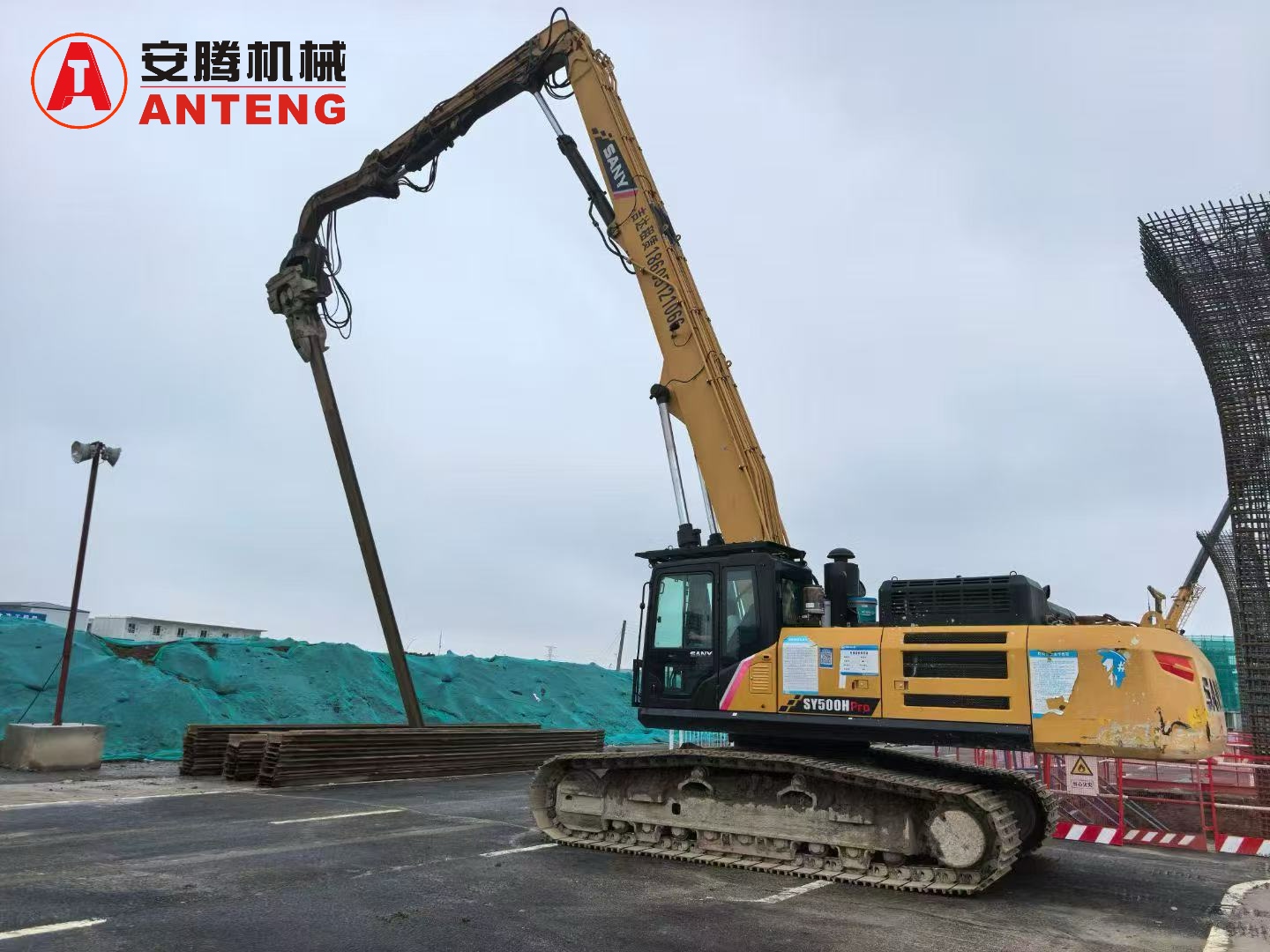
Foundation and piling contractors face significant pressure to complete projects on schedule and within budget. The excavator vibro hammer has become the industry standard for modern piling operations because it combines mobility, precision, and adaptability across diverse soil profiles. Whether you are working in soft clay, dense sand, or mixed strata, the right excavator vibro hammer delivers the frequency, amplitude, and control needed to set piles accurately. This guide walks you through the essential selection criteria, performance factors, and practical considerations that ensure your excavator vibro hammer investment delivers measurable value on every piling project.
Understanding Excavator Vibro Hammer Specifications and Capacity
Engine Power and Frequency Output
The foundation of any excavator vibro hammer selection begins with understanding the power requirements and frequency characteristics your piling application demands. An excavator vibro hammer operates through a hydraulic system that generates vibrations at a specific frequency, typically measured in cycles per minute (CPM) or hertz. The engine power of your excavator must be sufficient to supply sustained hydraulic flow and pressure to drive the excavator vibro hammer without stalling or losing performance during pile insertion. Most modern excavator vibro hammer models are sized to match carrier excavators ranging from 20 to 60 tons, with power consumption scaling proportionally to frequency output.
The frequency of an excavator vibro hammer is not arbitrary; it must align with the soil type and pile resistance you will encounter on site. Softer soils typically respond well to lower frequencies (around 10 to 15 Hz), while denser or more cohesive soils require higher frequencies (18 to 30 Hz or more) to break through resistance and achieve consistent penetration. Selecting an excavator vibro hammer with frequency output outside the optimal range for your soil will result in poor productivity, slower pile insertion times, and potential equipment stress. Therefore, before purchasing or renting an excavator vibro hammer, conduct a preliminary site investigation to understand soil composition and bearing characteristics.
Weight and Clamp Compatibility
The physical mounting and compatibility of an excavator vibro hammer with your carrier excavator is equally critical as its performance specifications. An excavator vibro hammer must attach securely to the excavator boom through a hydraulic quick coupler or similar connection system. The total operating weight of the excavator vibro hammer, including the pile clamp mechanism, must not exceed approximately 30 percent of your excavator's rated operating capacity. Exceeding this threshold compromises machine stability, increases wear on the boom structure, and may void manufacturer warranties.
The clamp mechanism of an excavator vibro hammer must be compatible with the pile dimensions and materials you intend to drive. Standard pile types include H-piles (steel), closed-end tubular piles, and reinforced concrete piles. Each pile geometry requires a different clamp profile to ensure secure grip without damaging the pile surface or creating stress concentrations. When selecting an excavator vibro hammer, verify that the clamp width, depth, and clamping force accommodate your specific pile type, and confirm that quick-change compatibility exists if you plan to operate multiple pile sizes on the same project.
Evaluating Performance Factors and Environmental Conditions
Soil Type and Pile Resistance Assessment
Soil conditions are the primary driver of excavator vibro hammer performance and selection logic. An excavator vibro hammer relies on vibrational energy to reduce skin friction between the pile and surrounding soil, allowing gravity and clamp weight to drive the pile deeper. In loose, non-cohesive soils such as fine sand or silt, an excavator vibro hammer can achieve impressive penetration rates with moderate frequency and amplitude settings. However, in stiff clay, dense gravel, or mixed layered strata, the same excavator vibro hammer may struggle if the frequency or amplitude is insufficient to overcome bearing resistance.
Geotechnical site investigation is essential before finalizing your excavator vibro hammer specification. Soil boring logs, Standard Penetration Test (SPT) results, and cone penetration testing (CPT) data reveal the depth and thickness of different soil layers. This information allows you to estimate the dynamic pile resistance and select an excavator vibro hammer with adequate frequency and amplitude to maintain consistent production rates. If site conditions show very dense soils or refusal layers at shallow depth, you may need to select a higher-powered excavator vibro hammer or consider alternative driving methods such as impact hammers.
Noise and Vibration Emission Control
Modern piling projects often operate in urban or environmentally sensitive areas where noise and ground vibration must be controlled. An excavator vibro hammer generates continuous vibrational energy, which produces audible noise and transmits vibrations into the surrounding soil and adjacent structures. Most modern excavator vibro hammer models operate in the range of 75 to 90 decibels, with higher frequencies generally producing higher noise levels. Noise barriers, pile caps, or damping systems can reduce emissions, but these measures increase project cost and operational complexity.
Before selecting an excavator vibro hammer for a sensitive site, review local noise ordinances and vibration limits. Establish a vibration monitoring protocol with nearby property owners or structural engineers if existing buildings are within 50 to 100 meters of the piling work. An excavator vibro hammer with adjustable frequency control provides flexibility to reduce noise impact during sensitive hours or near populated areas, though this may increase pile driving time. Some specialized excavator vibro hammer designs incorporate isolation mounts or dual-frequency capability to minimize ground vibration transmission while maintaining adequate pile penetration.
Making the Final Selection Decision
Matching Excavator Capacity to Vibro Hammer Size
The physical match between your excavator carrier and the excavator vibro hammer attachment is non-negotiable. An excavator vibro hammer rated for a 25-ton excavator cannot be safely or effectively operated on a 15-ton machine, just as an undersized hammer on a larger excavator will fail to deliver rated performance. Manufacturer guidelines specify the recommended excavator operating weight range for each excavator vibro hammer model. Verify that your excavator falls within this range before commitment.
When evaluating carrier excavators, consider not only the machine's rated operating weight but also its hydraulic system capacity. An excavator vibro hammer demands sustained hydraulic flow at high pressure; if the excavator's pump capacity is marginal, the hammer may experience intermittent pressure drops or frequency fluctuations during extended operation. Check the excavator's hydraulic flow rating (typically measured in liters per minute) and compare it to the excavator vibro hammer manufacturer's minimum requirements. Additionally, ensure that auxiliary hydraulic circuits on the excavator are separate from the main boom and digging circuits; shared hydraulic lines can cause the vibro hammer to lose power when the bucket is retracted or crowd force is applied.
Project Duration and Equipment Economics
Equipment selection for piling projects must also account for the planned duration and total pile count. An excavator vibro hammer is economical for projects involving 50 or more piles; smaller piling jobs may achieve better cost-per-pile through conventional impact hammers or hiring a dedicated piling rig. If your project spans 3 to 6 months with continuous piling work, purchasing or long-term leasing of an excavator vibro hammer is justified. For shorter projects or those with intermittent piling phases, monthly equipment leasing reduces capital expenditure and storage costs.
Fuel consumption and maintenance costs differ significantly between excavator vibro hammer models. Hydraulic-driven models typically consume 20 to 35 liters of fuel per operating hour, depending on frequency and soil resistance. Nitrogen-charged or dual-frequency excavator vibro hammer designs may offer modest fuel savings through energy recovery or variable-output mechanisms. Request fuel consumption data and maintenance interval recommendations from manufacturers or equipment rental specialists. Include these operating costs in your project budget and equipment selection analysis to ensure that the excavator vibro hammer you select delivers genuine economic benefit over the project lifecycle.
FAQ
What is the typical frequency range for an excavator vibro hammer used in piling?
Most excavator vibro hammer models operate between 10 and 30 Hz, with frequency selection depending on soil type and pile diameter. Softer soils typically require lower frequencies (10–15 Hz), while dense soils and smaller piles benefit from higher frequencies (20–30 Hz) to maintain penetration rates. Always consult geotechnical data and manufacturer guidelines to select the appropriate frequency for your specific piling application.
Can a single excavator vibro hammer be used for different pile types?
Yes, many excavator vibro hammer models feature adjustable or replaceable clamp modules that accommodate different pile geometries, including H-piles, tubular piles, and concrete piles. However, changing clamp attachments requires equipment downtime and technical skill. If your project involves multiple pile types, specify an excavator vibro hammer with quick-change clamp capability or plan your piling sequence to minimize clamp changes.
How do I determine if my excavator has sufficient hydraulic power for an excavator vibro hammer?
Review your excavator's hydraulic system specifications, including pump flow rate (liters per minute) and maximum pressure (bars). Compare these values to the excavator vibro hammer manufacturer's minimum requirements. Most excavator vibro hammer units require 40–80 liters per minute and 200–250 bar pressure. Verify that your excavator's auxiliary hydraulic circuit can provide these specifications independently from the main boom and bucket circuits.