
 EN
EN
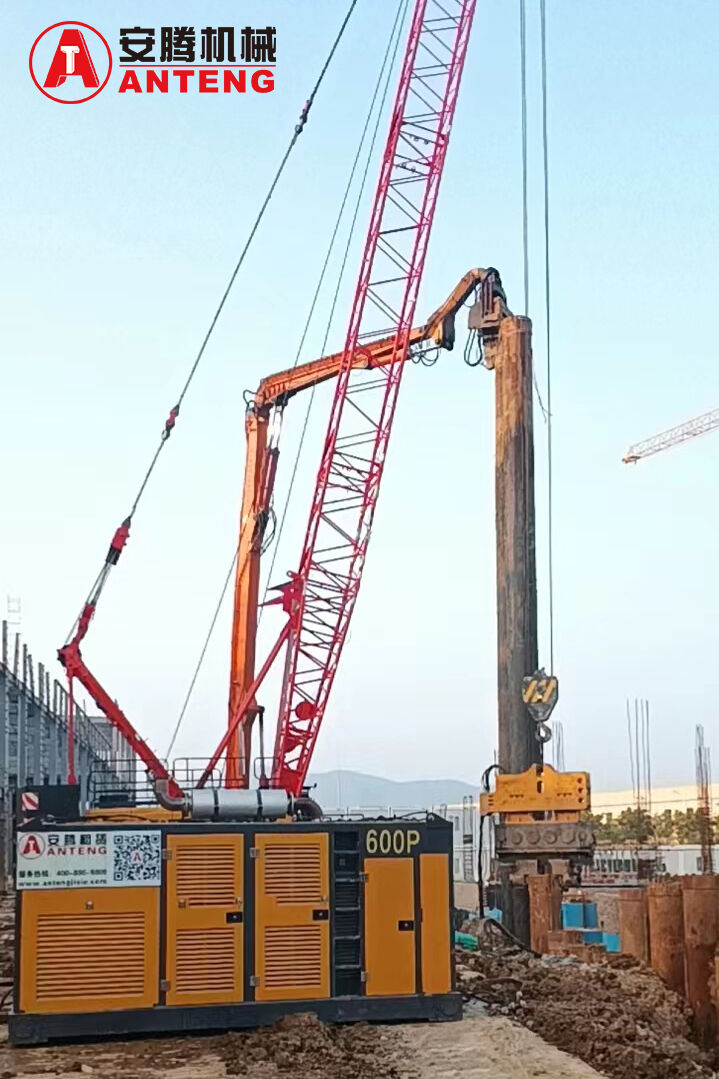
Selecting the right pile hammer for your construction project requires careful evaluation of multiple technical and operational factors that directly impact driving efficiency, structural integrity, and project economics. The choice between different pile hammer technologies becomes critical when working with steel or concrete piles, as each material presents unique characteristics that demand specific driving approaches and energy requirements.
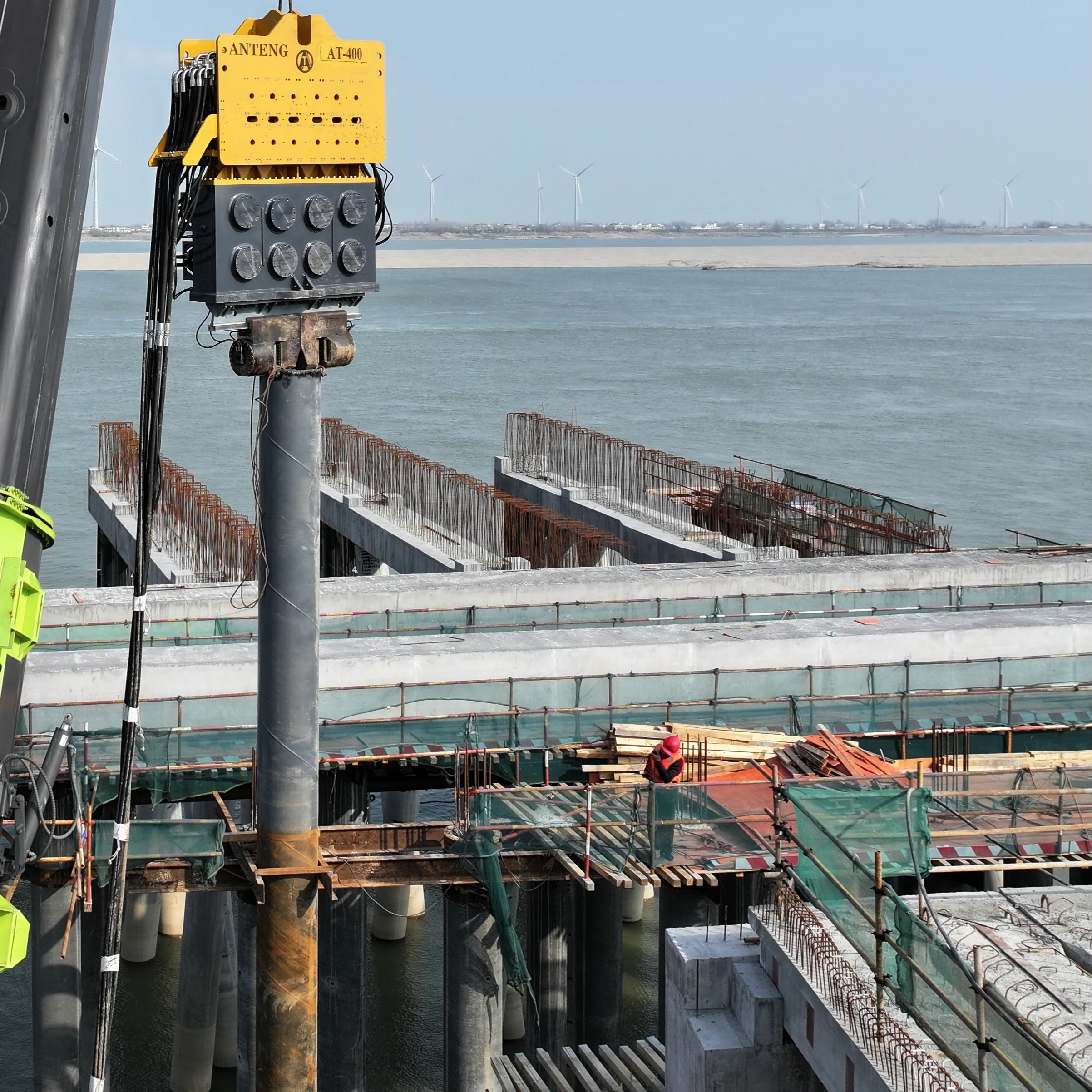
Understanding the fundamental differences between steel and concrete pile installation requirements forms the foundation for making an informed pile hammer selection. Steel piles typically offer greater flexibility during installation and can withstand higher impact forces, while concrete piles require more controlled driving parameters to prevent structural damage. The pile hammer you choose must align with these material-specific requirements while delivering consistent performance across varying soil conditions and project specifications.
Understanding Pile Material Requirements and Driving Characteristics
Steel Pile Installation Considerations
Steel piles present distinct advantages during installation that influence pile hammer selection criteria. The ductile nature of steel allows for more aggressive driving parameters, enabling higher impact energies without risking structural failure. A properly selected pile hammer for steel applications can deliver substantial blow counts while maintaining pile integrity throughout the driving process.
The thermal expansion properties of steel piles also affect pile hammer performance requirements. During extended driving operations, steel piles may experience temperature increases that can influence driving resistance and require adjusted hammer parameters. Modern pile hammer systems incorporate monitoring capabilities that help operators adapt to these thermal variations and maintain optimal driving efficiency.
Steel pile geometry considerations significantly impact pile hammer selection decisions. H-beam piles, pipe piles, and sheet piles each present different driving challenges that require specific hammer configurations. The pile hammer must provide adequate contact area and force distribution to prevent local deformation while achieving required penetration depths across various steel pile profiles.
Concrete Pile Driving Requirements
Concrete piles demand more precise control parameters from pile hammer systems due to their brittle material properties. Unlike steel, concrete cannot absorb impact energy through plastic deformation, making pile hammer selection critical for preventing catastrophic failure during installation. The pile hammer must deliver controlled energy transfer that drives the pile efficiently without exceeding concrete stress limitations.
Precast concrete piles require pile hammer systems capable of maintaining consistent blow energy throughout the driving sequence. Variations in impact force can create stress concentrations that lead to cracking or complete pile failure. Advanced pile hammer technologies incorporate feedback systems that monitor driving resistance and automatically adjust parameters to maintain optimal concrete pile integrity.
The curing age and concrete strength characteristics directly influence pile hammer selection for concrete applications. Newer concrete piles may require reduced impact energies during initial driving phases, while fully cured piles can accept higher energy inputs. A versatile pile hammer system provides the adjustment range necessary to accommodate these varying concrete conditions throughout project execution.
Evaluating Pile Hammer Technology Options
Impact Hammer Systems for Heavy-Duty Applications
Impact pile hammer systems remain the preferred choice for demanding steel and concrete pile installations due to their proven reliability and high energy output capabilities. These systems generate substantial driving forces through controlled mass acceleration, making them particularly effective for penetrating dense soil layers and driving piles to required bearing capacities.
Diesel pile hammer variants offer autonomous operation capabilities that reduce dependency on external power sources and compressed air systems. The self-contained nature of diesel pile hammer technology provides operational flexibility across remote construction sites while delivering consistent energy output. Modern diesel pile hammer designs incorporate advanced fuel injection and combustion control systems that optimize energy transfer efficiency.
Hydraulic impact pile hammer systems provide superior control precision compared to traditional alternatives, enabling operators to fine-tune energy output based on real-time driving conditions. The hydraulic pile hammer technology allows for rapid parameter adjustment during installation, supporting both steel and concrete pile requirements within a single system platform.
Vibratory Pile Hammer Applications
Vibratory pile hammer technology excels in applications requiring reduced noise levels and minimal ground disturbance during installation operations. These systems work particularly well with steel piles in granular soils, where vibratory energy can overcome soil friction more efficiently than impact methods. The continuous energy application of vibratory pile hammer systems often results in faster installation rates compared to impact alternatives.
Variable frequency capabilities in modern vibratory pile hammer designs allow operators to optimize resonance conditions for specific pile and soil combinations. This frequency tuning capability enhances driving efficiency while reducing equipment wear and operational costs. Advanced vibratory pile hammer systems incorporate automatic frequency control that maintains optimal resonance throughout the driving process.
The gentler driving action of vibratory pile hammer systems makes them suitable for concrete pile installation in sensitive environments where impact-induced vibrations could affect adjacent structures. However, vibratory systems may require supplemental impact capability for final seating and achieving specified bearing resistance in certain soil conditions.
Site Condition Assessment and Equipment Matching
Soil Characteristics and Driving Resistance Analysis
Comprehensive soil analysis forms the cornerstone of effective pile hammer selection, as subsurface conditions directly dictate the energy requirements and driving methodology needed for successful installation. Dense clay layers, rocky substrates, and variable soil profiles each present unique challenges that require specific pile hammer capabilities and operational approaches.
Bearing capacity requirements established through geotechnical investigation directly influence pile hammer selection criteria. Higher capacity installations typically demand more powerful pile hammer systems capable of achieving deeper penetrations and overcoming increased driving resistance. The pile hammer must provide sufficient energy reserves to maintain driving progress even when encountering unexpected subsurface obstructions or harder soil layers.
Groundwater conditions significantly impact pile hammer performance and selection considerations. High water table conditions may require specialized pile hammer systems with enhanced corrosion resistance and waterproofing features. Additionally, dewatering requirements can influence site accessibility and may necessitate compact pile hammer designs that operate effectively in confined spaces.
Access Constraints and Mobility Requirements
Site access limitations often dictate pile hammer selection more than technical performance requirements, particularly in urban environments or confined construction areas. Overhead clearance restrictions may eliminate certain pile hammer configurations, while ground bearing capacity limitations can restrict the deployment of heavier systems. The pile hammer selection process must balance performance capabilities with practical deployment constraints.
Transportation considerations affect pile hammer selection for projects requiring frequent relocation or multi-site deployment. Modular pile hammer designs that break down into transportable components offer advantages for projects with challenging logistics requirements. The assembly and setup time required for different pile hammer configurations also impacts overall project scheduling and cost considerations.
Power availability and infrastructure requirements influence pile hammer technology selection, particularly for remote or temporary construction sites. Self-powered pile hammer systems reduce dependency on site electrical infrastructure but may have higher fuel consumption and maintenance requirements. The total cost of ownership analysis should include these operational factors alongside initial equipment acquisition costs.
Performance Specifications and Selection Criteria
Energy Output and Efficiency Ratings
Pile hammer energy output specifications must align with the driving resistance characteristics anticipated for specific pile and soil combinations. Insufficient energy capacity results in incomplete pile installation or excessive installation time, while oversized pile hammer systems increase unnecessary project costs and potential pile damage risks. The optimal pile hammer selection achieves required penetration with minimum energy waste and maximum installation efficiency.
Blow rate capabilities significantly impact project productivity and should factor prominently in pile hammer selection decisions. Higher frequency pile hammer systems can achieve faster installation rates in suitable conditions, but may require enhanced cooling and maintenance capabilities to sustain performance levels. The pile hammer must maintain consistent energy output across the full range of operating frequencies specified for the application.
Energy transfer efficiency ratings help differentiate between pile hammer alternatives with similar nominal power ratings. Advanced pile hammer designs incorporate cushioning systems and alignment features that maximize energy transfer to the pile while minimizing losses to vibration and heat generation. These efficiency improvements translate directly to improved installation rates and reduced operational costs.
Control Systems and Monitoring Capabilities
Modern pile hammer systems incorporate sophisticated control and monitoring capabilities that enable real-time optimization of driving parameters based on installation progress and soil resistance feedback. These systems provide operators with critical data for making informed adjustments that maintain installation quality while maximizing productivity. Advanced pile hammer control systems can automatically adjust energy output to prevent pile damage while ensuring adequate penetration.
Data logging capabilities in contemporary pile hammer designs provide valuable documentation for quality assurance and forensic analysis purposes. Comprehensive installation records help verify compliance with design specifications and provide troubleshooting information for addressing installation challenges. The pile hammer monitoring system should capture energy output, blow count, penetration rate, and resistance measurements throughout the driving process.
Integration capabilities with external monitoring systems enhance the value proposition of advanced pile hammer technologies. Compatibility with dynamic load testing equipment and pile integrity monitoring systems provides comprehensive installation validation. These integrated monitoring capabilities help ensure that the pile hammer achieves specified performance while maintaining pile structural integrity throughout the installation process.
FAQ
What factors determine pile hammer size requirements for steel versus concrete piles?
Steel piles generally accommodate higher impact energies due to their ductile properties, allowing for more powerful pile hammer systems. Concrete piles require more controlled energy application to prevent cracking or structural damage, often necessitating pile hammer systems with precise energy control and monitoring capabilities. The pile diameter, length, and required bearing capacity also influence size requirements regardless of material type.
How do soil conditions affect pile hammer selection for different pile materials?
Dense or rocky soils typically require high-energy pile hammer systems regardless of pile material, but concrete piles may need more controlled energy application even in challenging conditions. Soft or cohesive soils may allow for lower energy pile hammer systems, particularly with steel piles that can tolerate varied driving conditions. Soil variability across the site may require pile hammer systems with adjustable energy output to accommodate changing conditions.
Can the same pile hammer be used effectively for both steel and concrete pile installation?
Modern pile hammer systems with variable energy control can effectively handle both steel and concrete piles by adjusting output parameters for each material type. However, the operator must carefully configure energy levels, blow rates, and cushioning systems appropriately for each pile material to prevent damage and achieve optimal installation results. Some specialized applications may still require dedicated pile hammer systems optimized for specific pile materials.
What maintenance considerations differ between pile hammer types for steel and concrete applications?
Pile hammer systems used primarily for steel pile installation may require more frequent inspection of impact surfaces due to the higher energy levels typically employed. Concrete pile applications often demand more precise calibration and monitoring system maintenance to ensure accurate energy control. Both applications benefit from regular hydraulic system maintenance, but concrete pile work may require more frequent replacement of cushioning materials and alignment components to maintain precise energy transfer.
Table of Contents
- Understanding Pile Material Requirements and Driving Characteristics
- Evaluating Pile Hammer Technology Options
- Site Condition Assessment and Equipment Matching
- Performance Specifications and Selection Criteria
-
FAQ
- What factors determine pile hammer size requirements for steel versus concrete piles?
- How do soil conditions affect pile hammer selection for different pile materials?
- Can the same pile hammer be used effectively for both steel and concrete pile installation?
- What maintenance considerations differ between pile hammer types for steel and concrete applications?