
 EN
EN

Mounting a pile hammer on piling systems involves specific attachment methods that ensure optimal performance and safety during foundation construction projects. The mounting process varies significantly depending on the type of pile hammer being used, the host equipment specifications, and the project requirements. Understanding these mounting mechanisms is crucial for construction professionals who need to select and deploy the most appropriate pile hammer configuration for their specific applications.
The mounting system directly affects the pile hammer's efficiency, precision, and operational capabilities throughout the piling process. Modern piling systems utilize various attachment configurations, from hydraulic quick-connect systems to permanent mechanical mounting brackets, each designed to accommodate different pile hammer weights, vibration patterns, and operational demands. The choice of mounting method influences not only the installation process but also the overall project timeline and equipment utilization efficiency.
Primary Mounting Methods for Pile Hammer Systems
Excavator-Mounted Pile Hammer Configurations
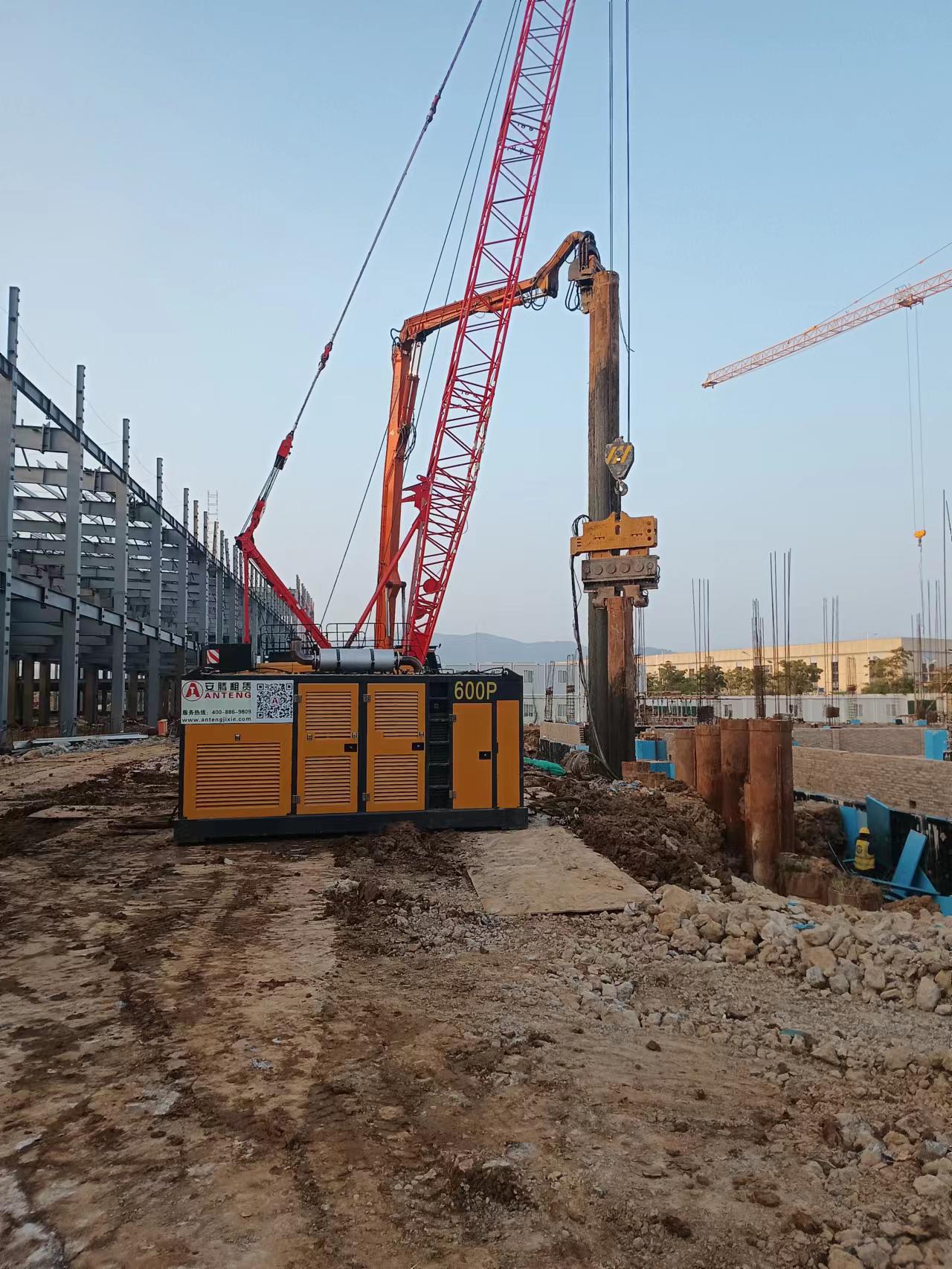
Excavator-mounted pile hammer systems represent one of the most versatile mounting approaches in modern construction. The pile hammer attaches to the excavator arm through a specialized mounting bracket that replaces or supplements the standard bucket attachment. This configuration allows operators to leverage the excavator's hydraulic power and positioning capabilities while maintaining precise control over the pile hammer during installation operations.
The mounting bracket typically features reinforced steel construction designed to withstand the dynamic forces generated during pile driving operations. These brackets incorporate vibration dampening elements that protect the host excavator from excessive stress while maintaining optimal energy transfer to the pile hammer. The hydraulic connections integrate seamlessly with the excavator's existing hydraulic system, providing the necessary power for pile hammer operation without requiring additional power sources.
Weight distribution considerations play a critical role in excavator-mounted pile hammer installations. The mounting system must account for the pile hammer's weight and operational forces to prevent excavator instability during operation. Counterweight systems or stabilizer legs often complement the mounting configuration to ensure safe and effective operation throughout the piling process.
Crane-Suspended Pile Hammer Systems
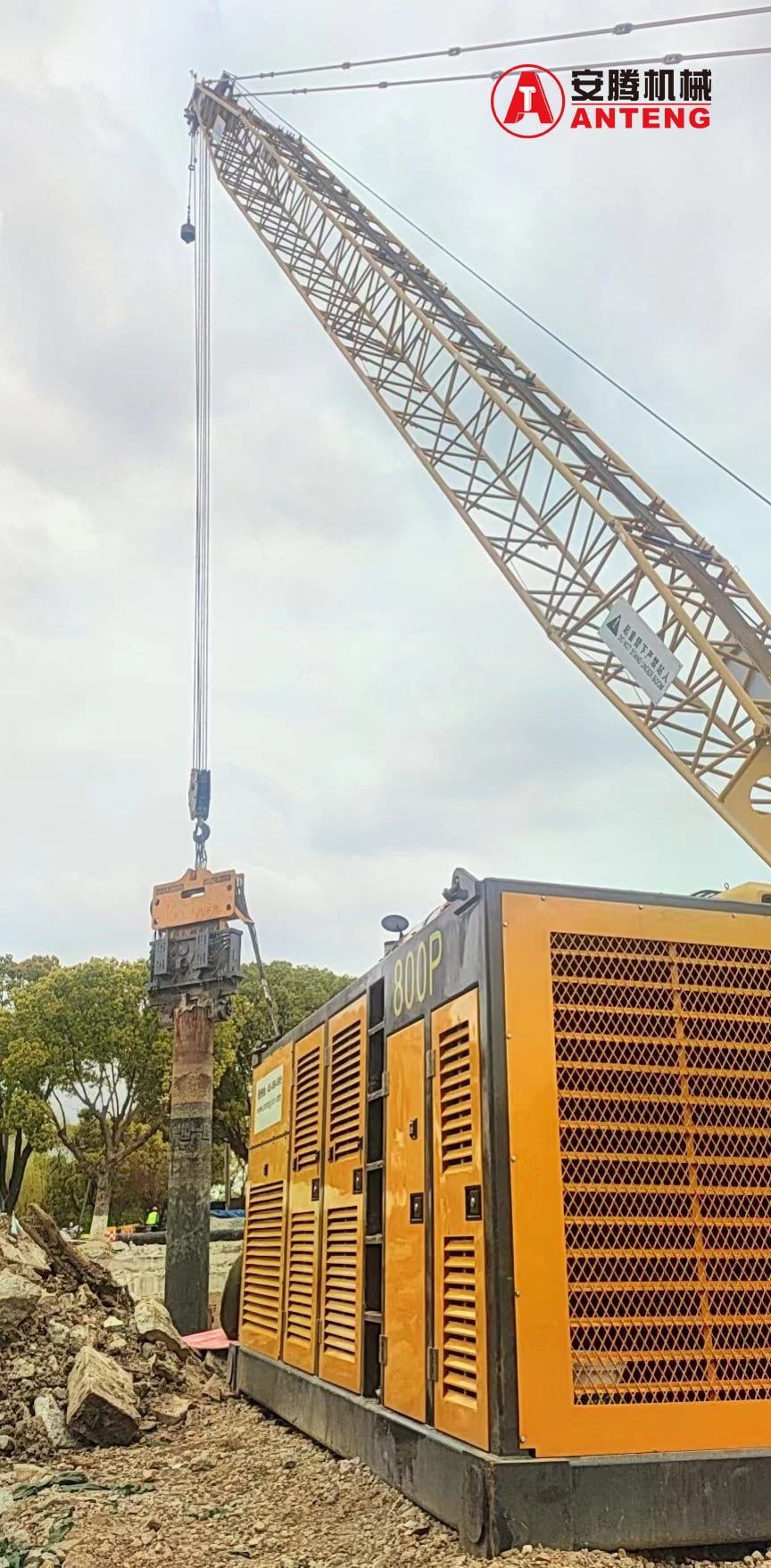
Crane-suspended pile hammer mounting systems utilize specialized lifting and positioning equipment to deploy pile hammers in various construction scenarios. This mounting approach provides exceptional flexibility in positioning the pile hammer over target locations, particularly in confined spaces or areas with limited ground access. The suspension system typically incorporates adjustable rigging components that allow for precise pile hammer alignment and positioning.
The crane-mounted pile hammer configuration requires specialized rigging hardware designed to handle the dynamic loads generated during pile driving operations. These systems incorporate shock-absorbing elements that protect both the crane and the pile hammer from excessive stress while maintaining operational efficiency. The mounting hardware must accommodate the pile hammer's operational requirements while ensuring safe load handling throughout the construction process.
Operational considerations for crane-suspended pile hammer systems include load capacity calculations, rigging inspection protocols, and coordination between crane operators and pile hammer technicians. The mounting system must provide stable support while allowing for controlled pile hammer movement during installation operations. Safety factors built into the mounting design ensure reliable performance even under challenging operational conditions.
Hydraulic Connection Systems and Power Integration
Hydraulic Quick-Connect Mounting Systems
Modern pile hammer mounting systems frequently incorporate hydraulic quick-connect technology that streamlines the attachment and detachment process. These systems feature standardized coupling mechanisms that allow for rapid pile hammer mounting without requiring specialized tools or extensive setup procedures. The quick-connect system integrates hydraulic power lines, control circuits, and structural connections into a unified mounting interface.
The hydraulic quick-connect mounting approach significantly reduces equipment changeover time, allowing construction crews to transition between different pile hammer configurations or switch to alternative attachments as project requirements change. These systems incorporate automatic coupling mechanisms that ensure proper hydraulic connections while preventing contamination of hydraulic fluids during the mounting process.
Safety interlocks built into hydraulic quick-connect pile hammer mounting systems prevent accidental disconnection during operation while providing positive confirmation of proper attachment. The mounting interface incorporates pressure monitoring systems that verify hydraulic connection integrity before allowing pile hammer operation to commence.
Power Transmission and Control Integration
The pile hammer mounting system must facilitate effective power transmission from the host equipment to the pile hammer while maintaining precise operational control. Hydraulic power transmission systems integrate with the mounting hardware to provide consistent energy delivery throughout the piling operation. These systems incorporate flow control valves, pressure regulation components, and emergency shutdown mechanisms integrated directly into the mounting interface.
Control system integration through the mounting interface allows operators to manage pile hammer functions from the host equipment's operator station. The mounting system incorporates electrical connections for control signals, monitoring sensors, and safety systems that ensure coordinated operation between the pile hammer and host equipment. These integrated control systems provide real-time feedback on pile hammer performance and operational parameters.
Advanced pile hammer mounting systems feature programmable control interfaces that allow operators to customize pile hammer operation parameters based on specific project requirements. The mounting system's control integration enables automated pile driving sequences, depth monitoring, and performance optimization throughout the construction process.
Structural Mounting Components and Load Distribution
Reinforced Bracket Systems and Structural Integrity
The structural mounting brackets that secure a pile hammer to the host equipment must withstand significant dynamic loads while maintaining precise alignment throughout operation. These brackets typically feature high-strength steel construction with reinforcing ribs and stress distribution plates that effectively manage the forces generated during pile driving operations. The bracket design incorporates mounting points that align with the pile hammer's center of gravity to minimize stress concentrations.
Vibration isolation elements integrated into the mounting bracket system help protect the host equipment from the high-frequency vibrations generated during pile hammer operation. These isolation systems typically include rubber dampeners, spring-loaded mounting points, or hydraulic cushioning systems that absorb and dissipate vibrational energy while maintaining solid mechanical connection between the pile hammer and host equipment.
The mounting bracket system must accommodate the pile hammer's operational movements while maintaining structural integrity throughout extended use periods. Wear-resistant bearing surfaces, replaceable bushing systems, and periodic lubrication points ensure long-term reliability and minimize maintenance requirements for the mounting system.
Load Path Analysis and Force Distribution
Effective pile hammer mounting requires careful analysis of load paths and force distribution throughout the mounting system and host equipment structure. The mounting design must account for both static loads from the pile hammer's weight and dynamic loads generated during operational cycles. Load distribution analysis helps determine optimal mounting point locations and reinforcement requirements for the host equipment.
The mounting system's load distribution characteristics directly affect both pile hammer performance and host equipment longevity. Properly designed mounting systems distribute operational loads across multiple structural elements, preventing stress concentrations that could lead to premature wear or structural failure. The load path analysis considers both vertical and horizontal force components generated during pile hammer operation.
Advanced mounting systems incorporate load monitoring capabilities that provide real-time feedback on structural loads throughout the piling operation. These monitoring systems help operators optimize pile hammer performance while ensuring that structural loads remain within acceptable limits for both the pile hammer and host equipment.
Installation Procedures and Alignment Requirements
Mounting Sequence and Safety Protocols
The installation process for mounting a pile hammer on piling systems follows specific sequences designed to ensure safe and effective attachment. Initial preparation involves positioning the host equipment on stable ground and engaging all safety systems before beginning the mounting process. The pile hammer must be properly supported using appropriate lifting equipment throughout the installation procedure to prevent damage to both the pile hammer and mounting hardware.
Alignment verification represents a critical step in the pile hammer mounting process, requiring precise positioning to ensure optimal performance and prevent premature wear. The mounting procedure includes checking hydraulic connections, verifying electrical continuity, and confirming proper mechanical attachment before conducting operational tests. Safety protocols require multiple verification steps to ensure secure mounting before allowing pile hammer operation.
Final installation steps include calibrating control systems, testing emergency shutdown procedures, and verifying all safety interlocks function properly. The mounting installation concludes with operational testing under controlled conditions to confirm proper pile hammer performance and system integration.
Precision Alignment and Calibration Requirements
Accurate pile hammer alignment during mounting ensures optimal energy transfer efficiency and prevents premature wear of both the pile hammer and pile elements. The mounting system must provide adjustment capabilities that allow for precise alignment corrections during installation and throughout operational use. Alignment verification typically involves checking both vertical and horizontal positioning relative to the intended pile installation points.
Calibration procedures for mounted pile hammer systems include verifying operational parameters such as impact frequency, hydraulic pressure settings, and control response characteristics. These calibration steps ensure that the pile hammer operates within specified parameters while maintaining optimal performance throughout the piling operation. Regular calibration checks help maintain consistent pile hammer performance over extended operational periods.
Advanced pile hammer mounting systems incorporate automated alignment features that continuously monitor and adjust pile hammer positioning during operation. These systems utilize sensor feedback to maintain optimal alignment while accommodating variations in ground conditions and pile installation requirements.
Maintenance Considerations for Mounted Pile Hammer Systems
Routine Maintenance Access and Serviceability
The design of pile hammer mounting systems must consider maintenance accessibility to ensure routine service procedures can be performed safely and efficiently. Mounting configurations should provide clear access to critical components such as hydraulic connections, electrical interfaces, and mechanical attachment points. Service platforms or access provisions built into the mounting system facilitate safe maintenance procedures without requiring complete pile hammer removal.
Routine maintenance schedules for mounted pile hammer systems include inspection of mounting hardware, verification of hydraulic connections, and monitoring of wear components within the mounting interface. The mounting system design should incorporate inspection points that allow maintenance personnel to assess component condition without extensive disassembly procedures.
Preventive maintenance protocols for pile hammer mounting systems help identify potential issues before they affect operational performance or safety. Regular maintenance activities include lubrication of bearing surfaces, inspection of vibration isolation elements, and verification of mounting bolt torque specifications to ensure continued safe operation.
Component Replacement and System Upgrades
The mounting system design should accommodate component replacement and system upgrades without requiring extensive modifications to the host equipment or pile hammer. Modular mounting systems facilitate component replacement by providing standardized interfaces and readily accessible mounting points. Replacement procedures should be clearly documented to ensure safe and effective component substitution when necessary.
System upgrade capabilities built into the pile hammer mounting design allow for incorporation of improved technologies or enhanced performance features as they become available. Upgrade compatibility considerations include hydraulic capacity, structural load limits, and control system integration requirements that may affect mounting system modifications.
Long-term serviceability of mounted pile hammer systems depends on the availability of replacement components and the mounting system's ability to accommodate technological advances. Mounting system designs that incorporate standardized components and interfaces provide better long-term service support and upgrade potential throughout the equipment's operational life.
FAQ
What factors determine the appropriate mounting method for a specific pile hammer?
The selection of pile hammer mounting method depends on several critical factors including the pile hammer's weight and size, the host equipment's lifting capacity and structural capabilities, project site conditions, and operational requirements. The mounting method must also consider the types of piles being installed, required installation depth, and site accessibility constraints. Additionally, factors such as project duration, equipment availability, and operator skill levels influence the most appropriate mounting configuration for specific applications.
How do hydraulic quick-connect systems improve pile hammer mounting efficiency?
Hydraulic quick-connect systems significantly reduce pile hammer mounting time by providing standardized coupling mechanisms that automatically connect hydraulic power, control circuits, and structural attachments simultaneously. These systems eliminate the need for manual hydraulic line connections and reduce the risk of contamination during the mounting process. Quick-connect systems also incorporate safety interlocks that prevent operation until proper connection is verified, enhancing both efficiency and safety during equipment changeover procedures.
What maintenance requirements are specific to pile hammer mounting systems?
Pile hammer mounting systems require regular inspection of structural mounting brackets, hydraulic connections, and vibration isolation components to ensure continued safe operation. Maintenance activities include periodic torque verification of mounting bolts, replacement of wear components such as bushings and dampeners, and inspection of hydraulic seals and fittings. Additionally, mounting systems require regular calibration of alignment systems and testing of safety interlocks to maintain optimal performance and operational safety throughout the equipment's service life.
Can pile hammer mounting systems be adapted for different host equipment types?
Many modern pile hammer mounting systems feature modular designs that can be adapted to different host equipment types through interchangeable mounting brackets and interface components. However, successful adaptation requires careful consideration of hydraulic capacity compatibility, structural load limits, and control system integration requirements. The adaptation process typically involves engineering analysis to ensure that the host equipment can safely support the pile hammer's operational loads and that hydraulic power requirements match the host equipment's capabilities.
Table of Contents
- Primary Mounting Methods for Pile Hammer Systems
- Hydraulic Connection Systems and Power Integration
- Structural Mounting Components and Load Distribution
- Installation Procedures and Alignment Requirements
- Maintenance Considerations for Mounted Pile Hammer Systems
-
FAQ
- What factors determine the appropriate mounting method for a specific pile hammer?
- How do hydraulic quick-connect systems improve pile hammer mounting efficiency?
- What maintenance requirements are specific to pile hammer mounting systems?
- Can pile hammer mounting systems be adapted for different host equipment types?