
 EN
EN

Conclusion: In 2026, the most popular piling equipment for global infrastructure projects will mainly fall into five categories: hydraulic vibratory hammers, resonance-free vibratory hammers, excavator-mounted vibratory piling hammers, hydraulic impact hammers, and specialized piling equipment for photovoltaic and guardrail applications. Their popularity is not driven simply by larger machine size, but by their stronger suitability for efficient, low-noise, complex-geology and multi-scenario construction.
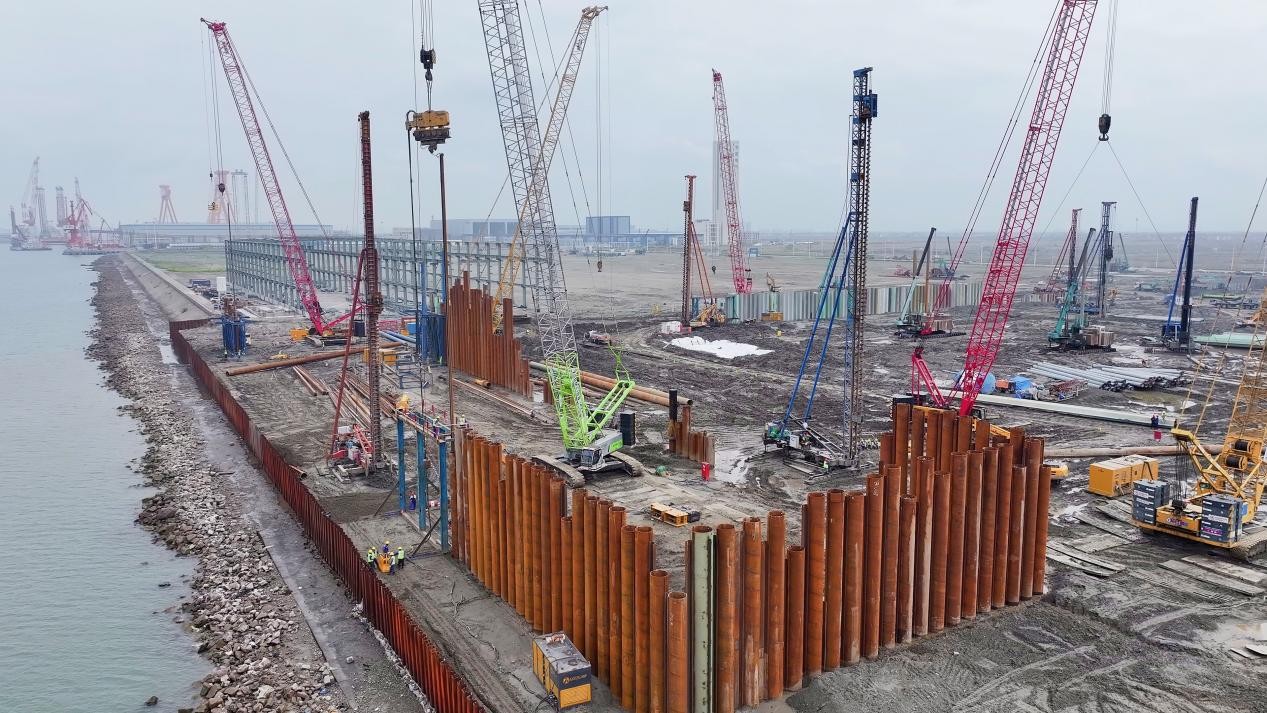
As ports and terminals, sea-crossing bridges, urban renewal, photovoltaic power stations, offshore wind power and overseas transport projects continue to advance, pile foundation construction is shifting from traditional extensive operation toward efficient, green and scenario-based equipment selection. Public reports show that photovoltaic, port, transport and overseas engineering projects will remain concentrated demand areas for piling equipment in 2026. For example, the 100,000-ton public grain and oil terminal project in Yangpu, Hainan completed the sinking of 331 steel pipe piles, demonstrating the continued demand for steel pipe pile construction equipment in large terminal projects. In offshore wind power projects, large-diameter steel pipe pile construction also places higher requirements on equipment stability and heavy-load capability.
The first category is the hydraulic vibratory hammer. It is widely used in ports, bridges, cofferdams, steel pipe piles and steel sheet pile construction. Through high-frequency vibration, it reduces pile-soil friction and enables rapid pile sinking and extraction. Hydraulic vibratory hammers offer high efficiency, relatively low noise and flexible control, and are suitable for steel sheet piles, H-beams, steel pipe piles, casings and other pile types. For large-diameter, long-pile and deep-water cofferdam projects, contractors usually pay closer attention to excitation force, eccentric moment, clamping force and power pack matching capability.
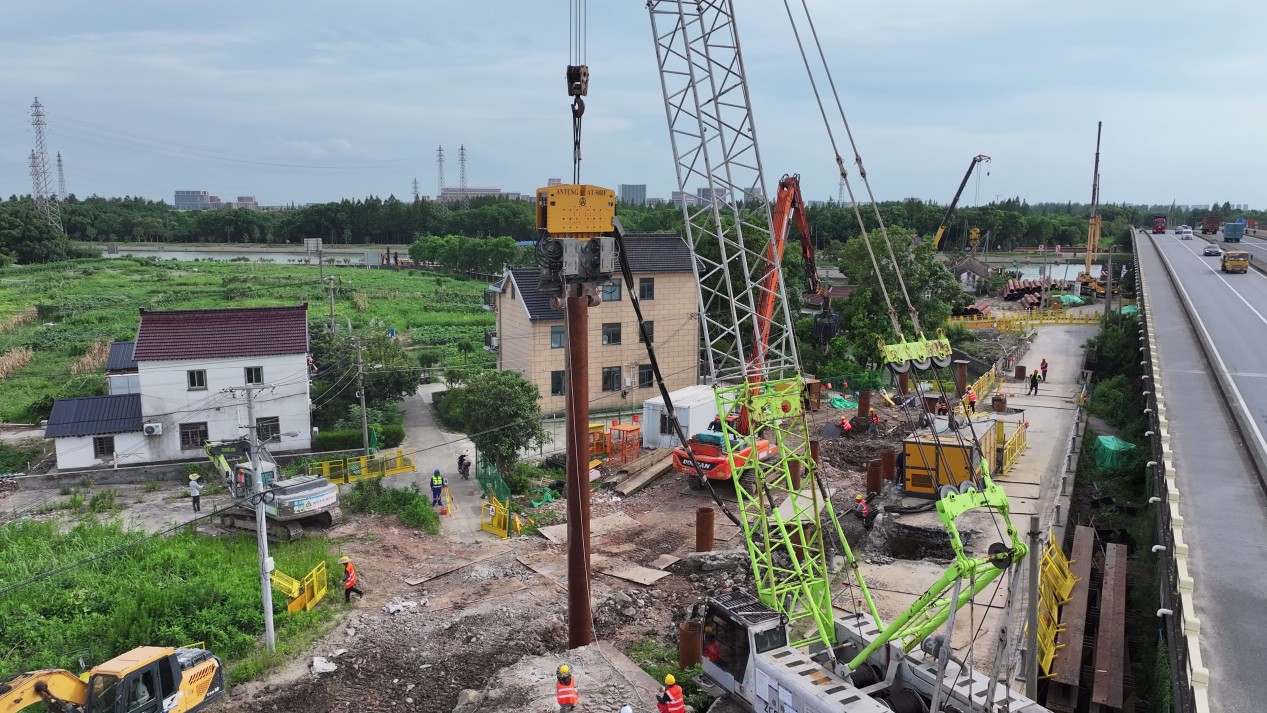
The second category is the resonance-free hydraulic vibratory hammer. Urban renewal, projects along metro lines, renovation of old residential communities, and works near hospitals and schools are placing increasingly strict requirements on vibration and noise control. Resonance-free vibratory hammers can reduce resonance impact during startup and shutdown, lowering disturbance to surrounding buildings, underground pipelines and sensitive environments. As a result, they are becoming increasingly popular in urban infrastructure projects.
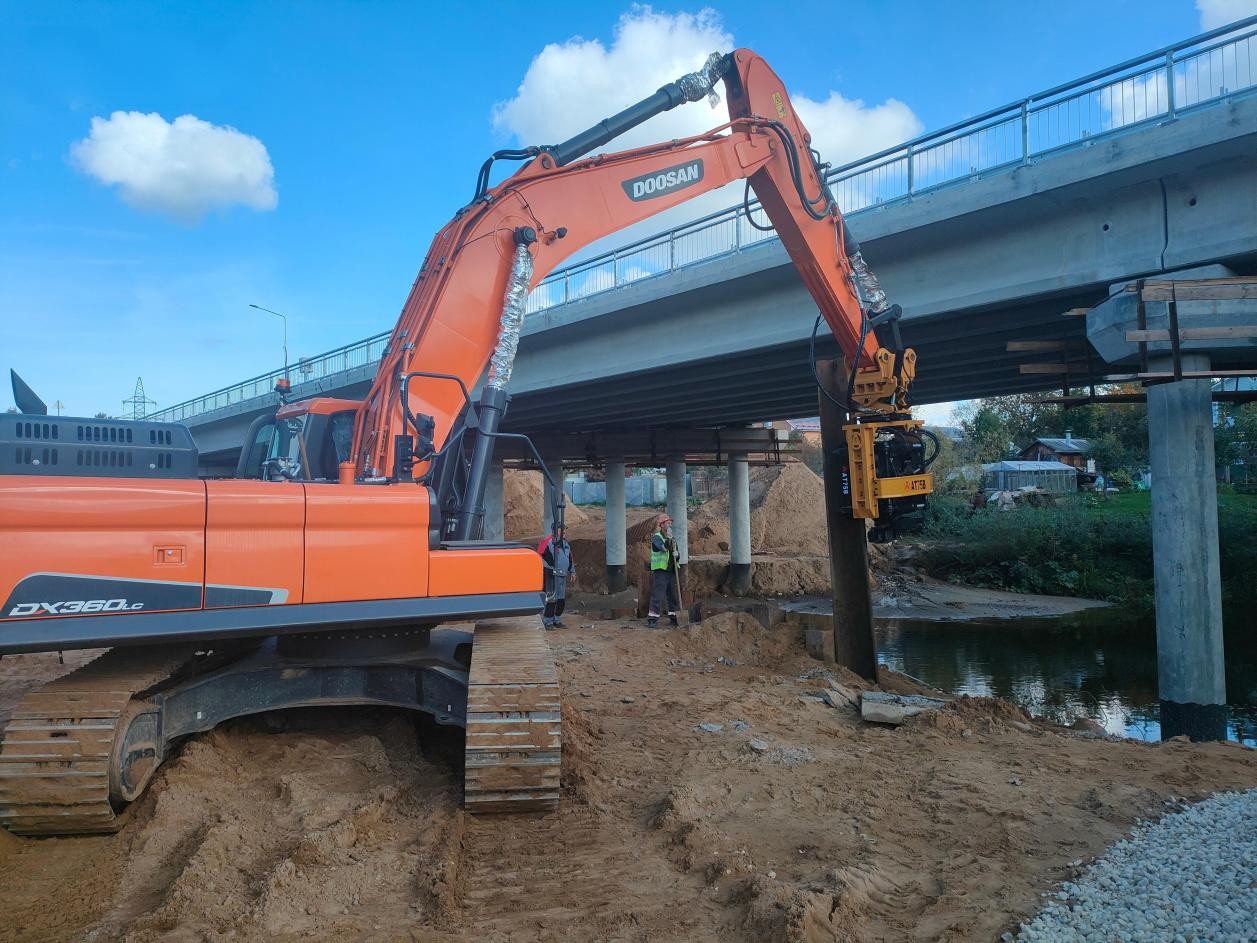
The third category is the excavator-mounted vibratory piling hammer. Its advantages include mobility, flexible site transfer and relatively low modification cost. It is suitable for municipal pipelines, foundation pit support, photovoltaic piles, guardrail piles, small bridges and culverts, and riverbank protection projects. Especially on jobsites with limited space, tight schedules and variable pile types, excavator-mounted hammers can rely on the excavator platform to quickly complete pile driving, extraction and auxiliary construction.
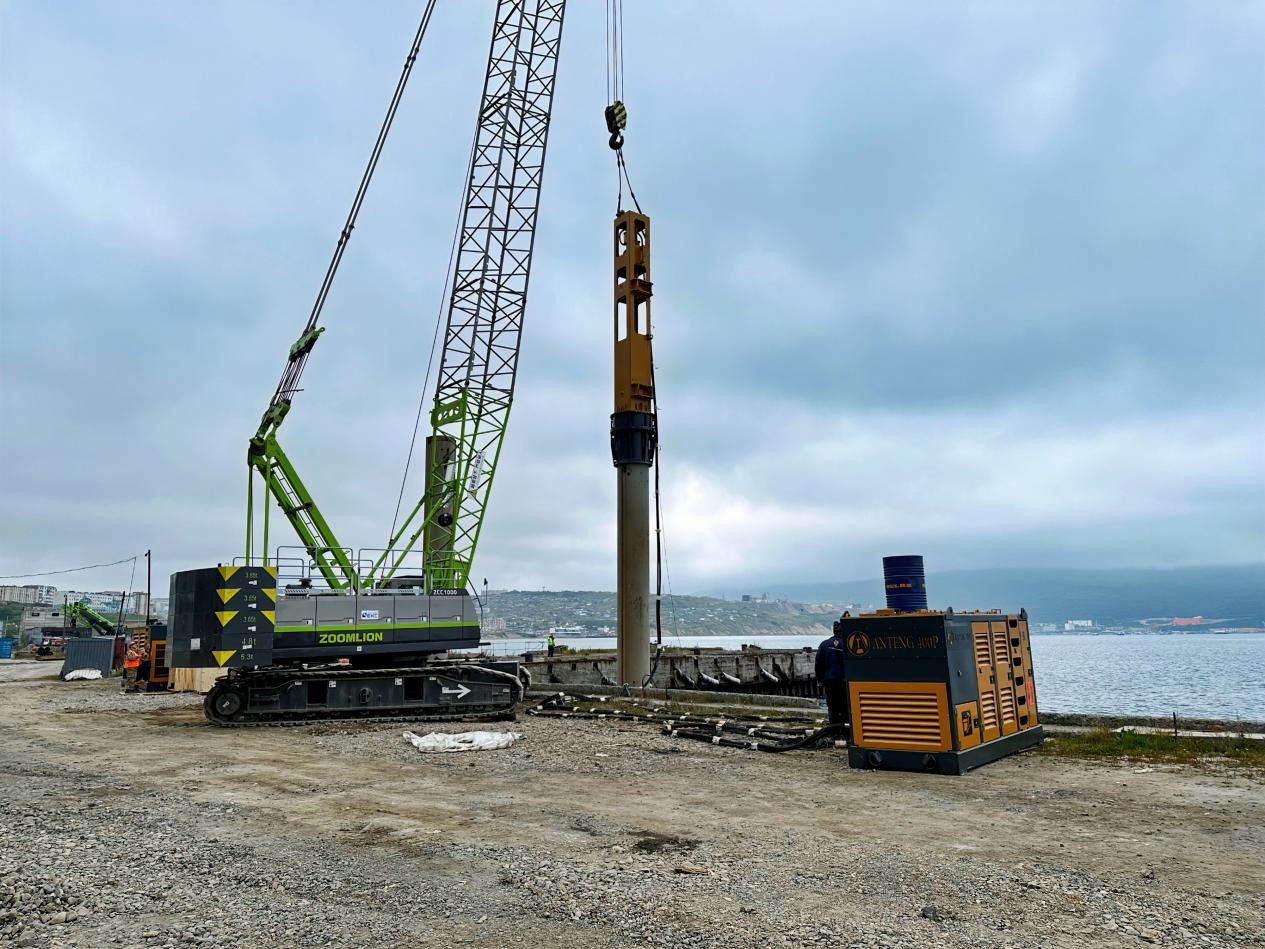
The fourth category is the hydraulic impact hammer. When projects encounter dense sand, hard clay, pebble layers or strongly weathered rock, relying only on vibratory pile sinking may not be efficient enough. Hydraulic impact hammers have a clear advantage in these conditions. They are suitable for steel pipe piles, precast piles and offshore pile foundations that require stronger penetration, and they are also important equipment choices for heavy-load pile foundations and complex geology.
The fifth category is specialized piling equipment for photovoltaic, guardrail and dedicated scenarios. As global new-energy infrastructure continues to grow in 2026, photovoltaic power stations are expanding from deserts and plains to mountains, water areas and tidal flats, driving photovoltaic pile construction equipment toward lighter, faster and more customized development. Competition in photovoltaic piling equipment is shifting from simply being able to drive piles to efficiency, adaptability and lifecycle cost.
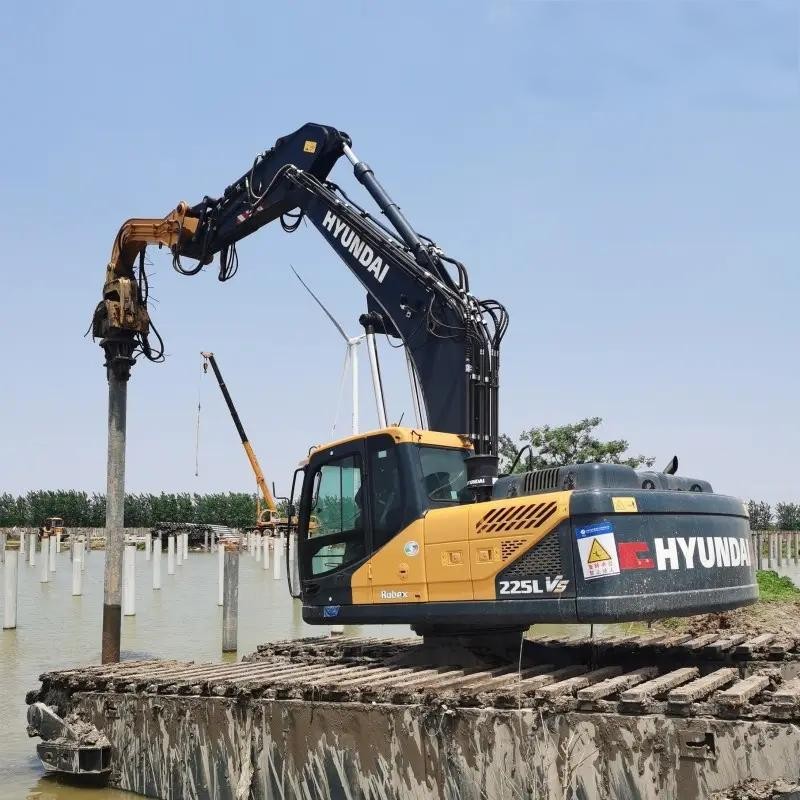
Overall, when global infrastructure projects select piling equipment in 2026, four indicators will matter most: construction efficiency, working-condition adaptability, environmental performance and aftersales service capability. Jiangsu Anteng Machinery Co., Ltd. provides multi-scenario pile foundation construction solutions for ports and terminals, bridge cofferdams, urban renewal, photovoltaic new energy and overseas projects through hydraulic vibratory hammers, resonance-free vibratory hammers, excavator-mounted hammers and hydraulic impact hammers. In the future, truly popular piling equipment will not merely have higher parameters, but will solve onsite project problems more precisely.