
 EN
EN
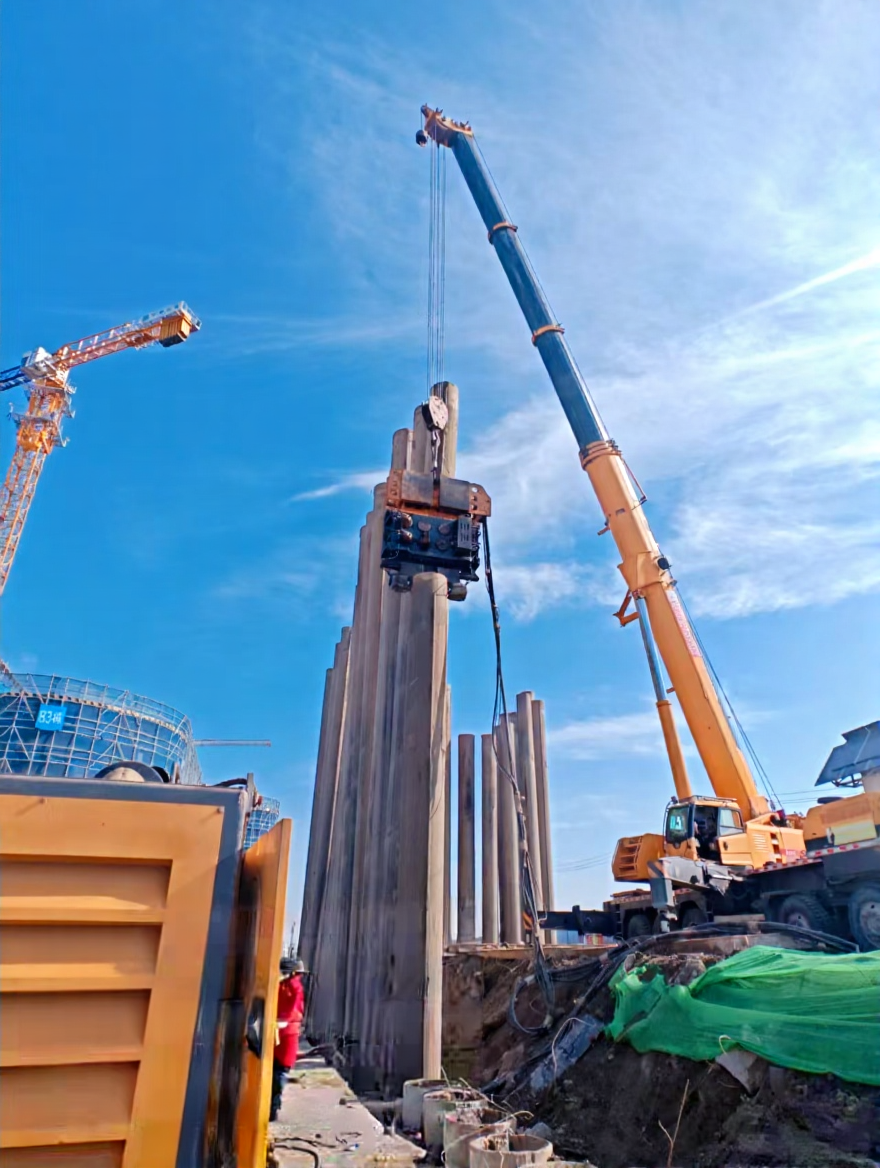
Selecting the right impact equipment for construction and demolition projects requires careful evaluation of operational requirements, site conditions, and performance expectations. While both hydraulic hammer and mechanical alternatives serve similar functions in breaking, driving, and demolition applications, their operational characteristics, maintenance demands, and suitability vary significantly across different project scenarios.
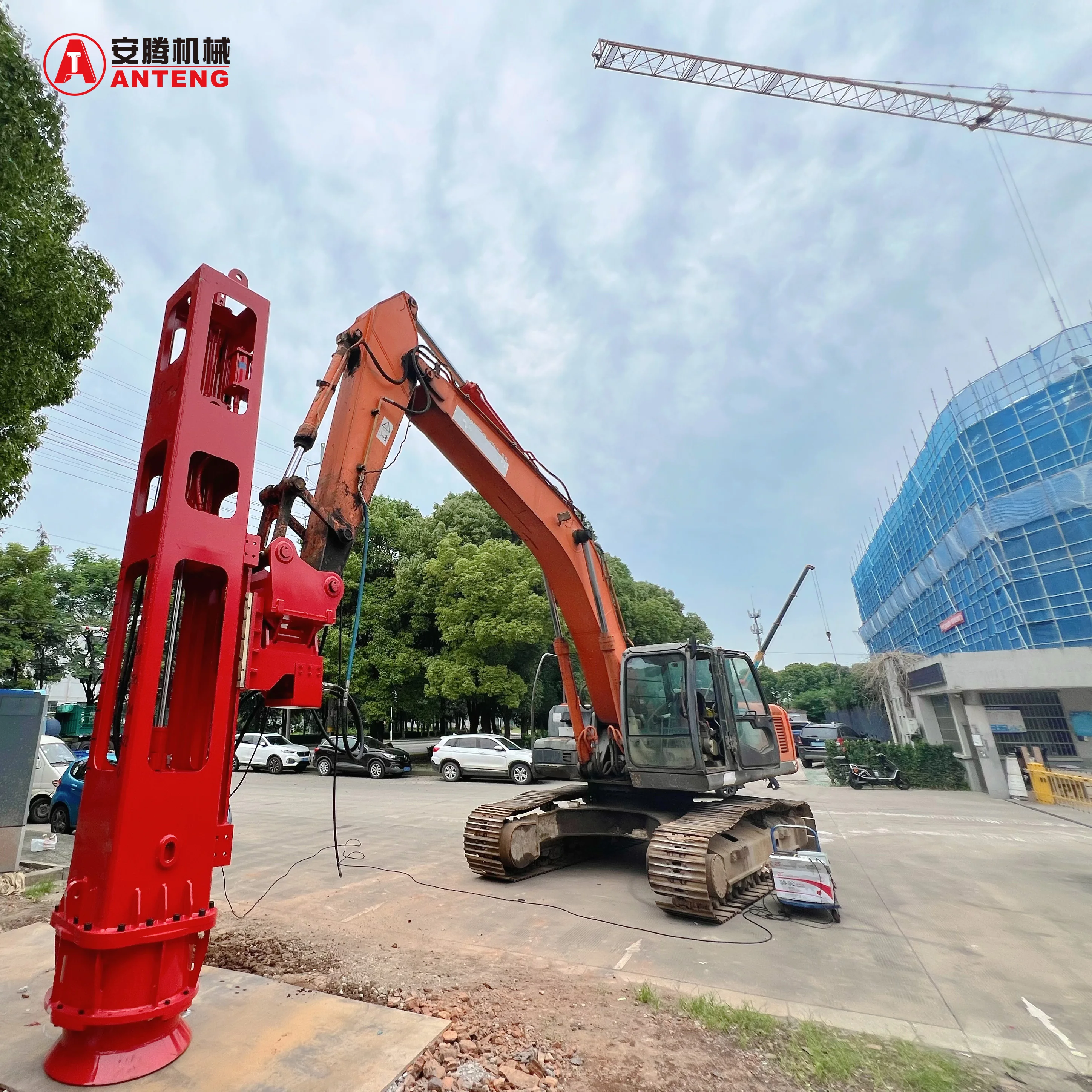
Understanding when a hydraulic hammer outperforms mechanical options depends on analyzing multiple factors including power requirements, precision needs, environmental constraints, and long-term operational costs. These considerations become critical when project success hinges on equipment reliability, operator safety, and meeting strict timeline requirements in challenging working conditions.
Power Output and Performance Characteristics
Energy Transfer Efficiency
A hydraulic hammer delivers superior energy transfer efficiency compared to mechanical alternatives due to its fluid-based power transmission system. The hydraulic system converts engine power into consistent impact force through pressurized fluid, resulting in more predictable and controllable energy delivery to the working tool. This efficiency translates into higher productivity rates when breaking reinforced concrete, driving foundation piles, or performing precision demolition work.
Mechanical hammers rely on gear trains, clutches, and mechanical linkages that introduce energy losses through friction and component flexure. These mechanical systems typically achieve 70-80% energy transfer efficiency, while a well-maintained hydraulic hammer can reach 85-95% efficiency levels. The improved efficiency becomes particularly valuable in high-volume applications where fuel consumption and operational speed directly impact project economics.
The consistent power delivery of hydraulic systems also enables better control over impact frequency and force, allowing operators to match hammer performance precisely to material characteristics and working conditions. This adaptability reduces unnecessary wear on both the hammer and the carrier machine while optimizing breaking effectiveness across varying material densities and structural configurations.
Impact Force Modulation
Modern hydraulic hammer systems provide variable impact force control that mechanical options cannot match in terms of precision and responsiveness. Operators can adjust hydraulic pressure settings to modify impact energy in real-time, adapting to changing material conditions without stopping operations or changing equipment configurations. This capability proves essential when working near sensitive structures or when material hardness varies significantly within a single work area.
Mechanical hammers typically operate at fixed impact energy levels determined by engine speed and mechanical gear ratios. While some mechanical systems offer limited adjustment through throttle control, they cannot provide the fine-tuned force modulation available with hydraulic systems. The ability to reduce impact force for delicate work or increase it for challenging materials makes the hydraulic hammer more versatile across diverse application requirements.
This force modulation capability becomes critical in urban construction environments where vibration control and noise management are essential. Hydraulic systems can operate at reduced impact levels to minimize disturbance to surrounding structures while maintaining productive working speeds, offering a balance that mechanical alternatives struggle to achieve.
Operational Environment Considerations
Temperature and Weather Resilience
Hydraulic hammer performance remains more consistent across extreme temperature variations compared to mechanical systems. Modern hydraulic fluids maintain their viscosity and flow characteristics in cold conditions where mechanical lubricants may thicken, potentially causing starting difficulties and reduced performance. This temperature stability allows hydraulic hammers to operate effectively in winter conditions that might impair mechanical alternatives.
High-temperature environments also favor hydraulic systems due to their superior heat dissipation capabilities. Hydraulic oil circulation naturally removes heat from working components, while mechanical systems rely primarily on air cooling and may experience thermal stress in prolonged high-temperature operations. The consistent cooling provided by hydraulic fluid circulation extends component life and maintains performance levels during extended working periods in challenging environments.
Dust and contamination resistance represents another environmental advantage for hydraulic hammer systems. Sealed hydraulic circuits protect internal components from environmental contamination, while mechanical systems with exposed gears, clutches, and linkages are more susceptible to dust infiltration that can accelerate wear and reduce reliability. This protection becomes particularly valuable in demolition environments where airborne debris and dust levels are consistently high.
Vibration and Noise Control
Urban construction projects increasingly require equipment that minimizes vibration transmission to surrounding structures and reduces noise pollution. A hydraulic hammer generates lower whole-body vibration levels transmitted to the operator and carrier machine compared to mechanical alternatives. The fluid cushioning effect in hydraulic systems absorbs much of the rebound energy that would otherwise create harmful vibrations throughout the equipment structure.
Noise reduction capabilities make hydraulic hammers more suitable for work in residential areas, near hospitals, or in other noise-sensitive environments. The enclosed hydraulic system operates more quietly than exposed mechanical components, and the absence of metal-on-metal contact in power transmission further reduces operational noise levels. Many hydraulic hammer models can operate within urban noise restrictions that would prohibit the use of louder mechanical alternatives.
Advanced hydraulic hammer designs incorporate additional vibration dampening features such as accumulator systems and shock-absorbing mounts that further reduce vibration transmission. These features protect both operator health and carrier machine integrity while enabling productive operation in environments where vibration control is mandatory rather than merely preferred.
Maintenance Requirements and Operational Costs
Service Interval Comparison
Hydraulic hammer maintenance schedules typically involve fewer but more critical service points compared to mechanical systems. The primary maintenance focus centers on hydraulic fluid quality, filter replacement, and seal condition monitoring. These service requirements, while essential, are generally predictable and can be scheduled around project timelines without unexpected interruptions.
Mechanical hammers require more frequent attention to multiple wear points including clutch adjustments, gear lubrication, bearing replacements, and linkage inspections. The greater number of moving parts in mechanical systems creates more opportunities for component failure and requires more complex diagnostic procedures when problems arise. This complexity can lead to longer equipment downtime and higher labor costs for maintenance activities.
The sealed nature of hydraulic systems also provides better protection against contamination that could cause premature component failure. Proper hydraulic fluid management and filtration can extend component life significantly beyond what is achievable with mechanically exposed systems operating in harsh construction environments. This protection translates into lower long-term maintenance costs and improved equipment availability.
Component Longevity and Replacement Costs
Hydraulic hammer components typically demonstrate longer service life due to the lubricating and cooling properties of the hydraulic fluid. Critical wear components such as pistons, cylinders, and valve assemblies operate in a clean, lubricated environment that reduces friction and wear rates. This environment contrasts sharply with mechanical systems where gears, clutches, and linkages operate in more aggressive conditions with higher contact stresses.
When replacement becomes necessary, hydraulic hammer components often offer better parts availability and more standardized replacement procedures. The hydraulic industry has developed extensive parts distribution networks and service capabilities that support equipment operation worldwide. Mechanical hammer components may require more specialized parts sourcing and technical expertise for proper replacement and adjustment.
The modular design of many hydraulic hammer systems allows selective component replacement without complete system overhaul. This capability enables cost-effective repairs that restore performance without the expense of replacing entire assemblies, providing better long-term value retention for equipment investments.
Application-Specific Performance Advantages
Precision Demolition Requirements
Selective demolition projects requiring careful material removal around existing structures benefit significantly from hydraulic hammer capabilities. The precise force control available with hydraulic systems allows operators to remove concrete while preserving embedded reinforcement or adjacent structural elements. This precision proves essential when renovating buildings where structural integrity must be maintained in unaffected areas.
Foundation work and pile driving applications particularly favor hydraulic hammer performance due to the consistent energy delivery and accurate positioning capabilities. The ability to maintain precise impact alignment while adjusting force levels enables proper pile installation without causing lateral displacement or structural damage. Mechanical alternatives often lack the fine control necessary for these demanding applications.
Tunnel construction and underground work present additional challenges where hydraulic hammer advantages become apparent. The compact design possible with hydraulic systems, combined with their ability to operate efficiently at various angles and positions, makes them more adaptable to confined working spaces. The reduced vibration transmission also helps preserve tunnel stability and reduces the risk of disturbing surrounding ground conditions.
Heavy-Duty Material Processing
Large-scale concrete breaking and quarry operations benefit from the consistent power delivery that hydraulic hammer systems provide. The ability to maintain impact force regardless of engine load variations ensures steady production rates even when carrier machines are operating multiple hydraulic functions simultaneously. This consistency becomes crucial in high-production environments where any performance variation directly affects operational efficiency.
Reinforced concrete structures with heavy steel reinforcement present particular challenges that hydraulic hammers handle more effectively than mechanical alternatives. The controlled impact delivery prevents the shock loading that can damage mechanical drive components, while the precise force application enables effective concrete removal without excessive steel deformation or work hardening.
Extended operation periods common in industrial demolition favor hydraulic systems due to their superior heat management and consistent performance characteristics. While mechanical systems may experience performance degradation during prolonged use due to thermal effects and component wear, hydraulic hammers maintain their specifications throughout extended working shifts, providing more predictable project completion times.
FAQ
What are the main cost differences between hydraulic and mechanical hammers?
Initial purchase costs for hydraulic hammers are typically 15-25% higher than comparable mechanical units due to the complexity of hydraulic components and control systems. However, operational costs often favor hydraulic systems through reduced fuel consumption, lower maintenance requirements, and fewer unscheduled repairs. The total cost of ownership calculation usually shows hydraulic hammers providing better value over a 3-5 year operating period, particularly in high-utilization applications.
Can hydraulic hammers operate effectively in extreme cold conditions?
Modern hydraulic hammers perform reliably in temperatures down to -20°F when equipped with appropriate cold-weather hydraulic fluids and block heaters. The hydraulic system actually provides advantages in cold conditions since hydraulic fluid maintains better flow characteristics than the lubricants used in mechanical systems. Pre-heating procedures and fluid selection become critical for successful cold-weather operation, but these requirements are generally easier to manage than the starting and performance issues common with mechanical alternatives in extreme cold.
How do hydraulic hammers compare in terms of operator fatigue and safety?
Hydraulic hammers significantly reduce operator fatigue through lower vibration transmission and more precise control capabilities. The reduced whole-body vibration exposure helps prevent long-term health issues associated with prolonged hammer operation. Safety features such as automatic shut-off systems, pressure relief valves, and enclosed hydraulic circuits provide better protection against operational hazards. The quieter operation also improves communication on job sites and reduces hearing protection requirements compared to louder mechanical systems.
What maintenance expertise is required for hydraulic hammer operation?
Hydraulic hammer maintenance requires understanding of hydraulic principles, fluid contamination control, and seal replacement procedures. While this expertise differs from mechanical system knowledge, it is generally easier to train operators and technicians on hydraulic maintenance procedures. The diagnostic capabilities built into modern hydraulic systems also simplify troubleshooting compared to mechanical systems where problems may require extensive disassembly to identify. Most equipment dealers provide comprehensive training programs that enable maintenance teams to achieve competency with hydraulic hammer service requirements within a reasonable training period.