
 EN

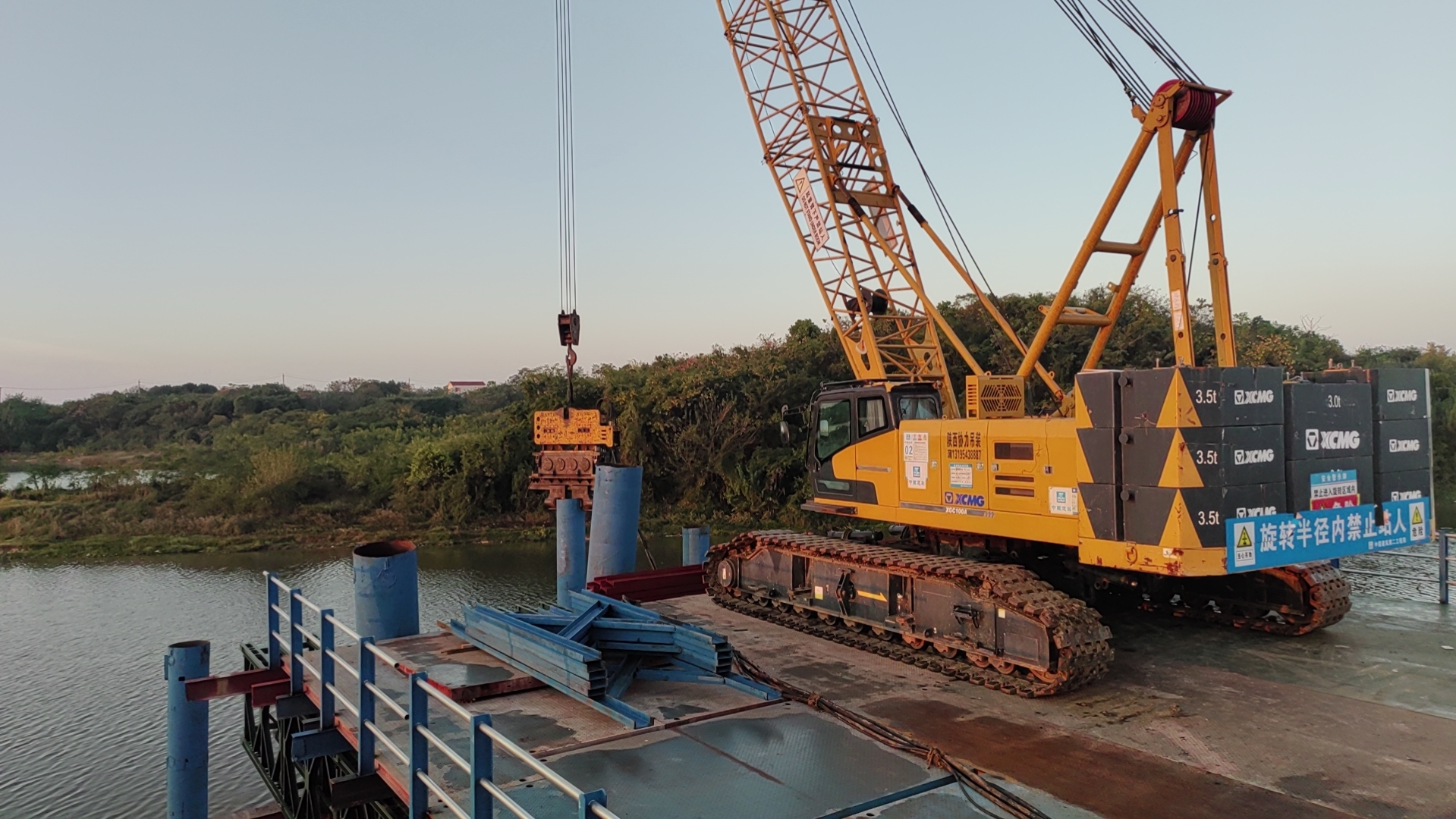
Pile driver efficiency is not a fixed machine rating; it depends on how well the equipment’s energy and operating method match the pile and ground. A pile driver working in steel sheet piles may advance quickly through suitable soil, while a pile driver handling a large concrete pile may need a different impact approach. Understanding that contrast helps teams estimate progress and plan equipment settings more realistically.
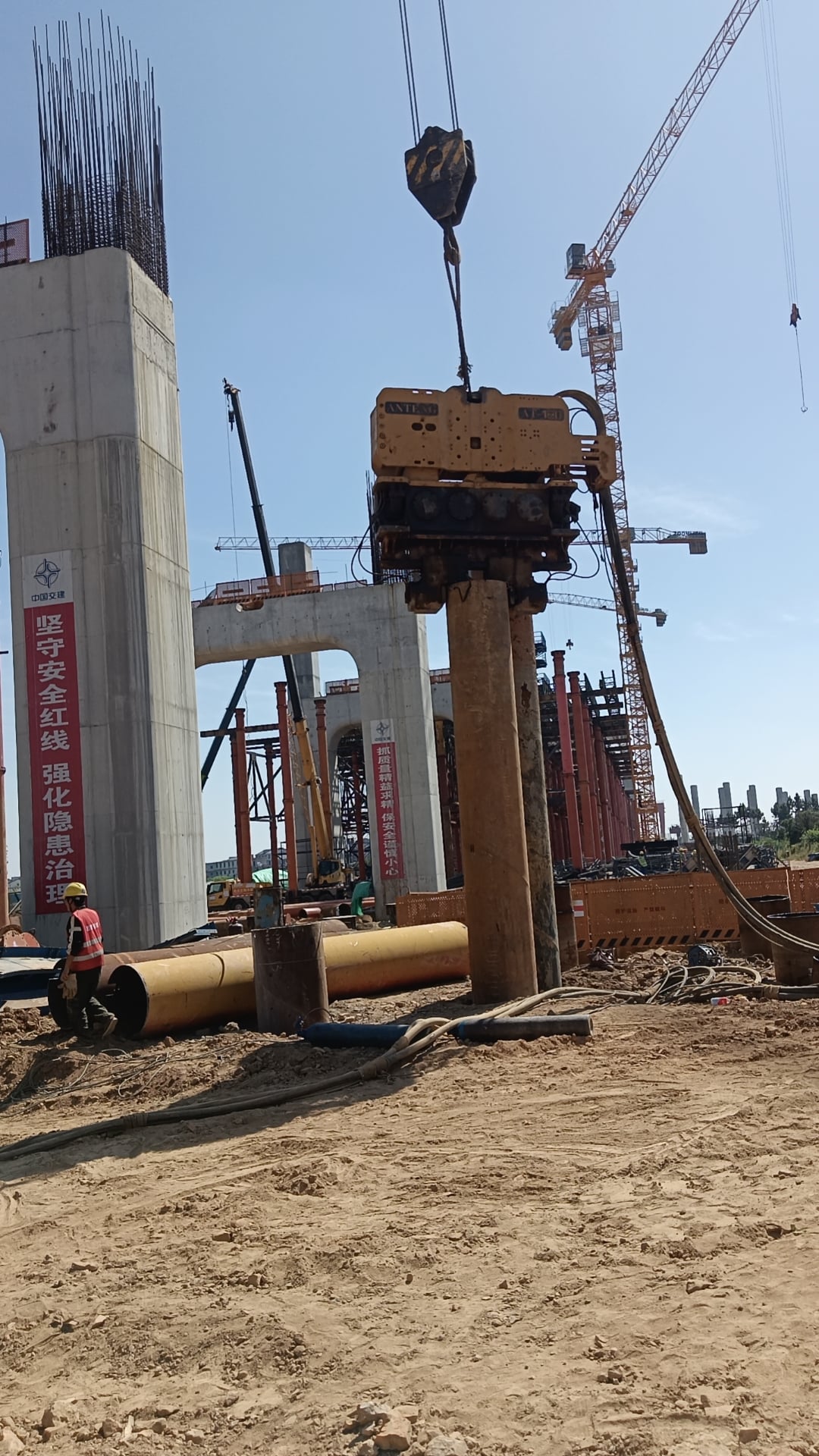
The main differences come from pile material, shape, mass, length, and the resistance offered by the soil. A pile driver must transfer energy into the pile without causing damage or losing too much force through vibration, rebound, or poor alignment. This article compares the factors that affect installation of concrete, steel, timber, and sheet piles, then explains what those differences mean for planning.
How Pile Material Changes Energy Transfer
Concrete piles need controlled impact
Concrete piles are rigid and often selected to carry substantial structural loads, but their stiffness makes impact control important. A pile driver must deliver sufficient energy to overcome soil resistance while avoiding damaging stresses at the head or along the pile. Cushion condition, cap fit, pile integrity, and alignment all influence how effectively a pile driver transfers energy into concrete.
Installation efficiency for concrete is therefore measured in more than speed. A pile driver that advances too aggressively may raise the risk of cracking, while conservative settings can extend cycle time if resistance is high. Crews should monitor penetration per blow, inspect the pile head and cushion, and compare observed behavior with the project’s acceptance criteria. The correct balance depends on design and site conditions.
Steel piles respond to geometry and soil contact
Steel piles are available in shapes such as H-sections, tubes, and sheet profiles, each with different contact areas and structural behavior. A pile driver transfers force through a relatively durable material, but section size, wall thickness, splices, and end configuration still affect response. For a steel pile, alignment and a secure connection to the driving equipment help limit wasted motion.
A vibratory pile driver can be suitable for some steel sections, particularly where the installation method and ground conditions support vibration-based advancement. It is not automatically the most efficient choice: dense or obstructed layers may slow penetration, and noise or vibration limits can affect operations. Assess the profile, anticipated resistance, and site constraints before choosing settings. Efficient steel driving means steady progress without compromising position or integrity.
Why Timber and Sheet Piles Behave Differently
Timber calls for attention to condition and head protection
Timber piles vary in species, moisture, straightness, diameter, and condition, so their response is less uniform than that of manufactured sections. A pile driver needs a suitable helmet or cap to distribute impact and protect the pile head. Knots, splits, deterioration, or uneven ends can affect energy transfer, making inspection and careful handling meaningful parts of the installation plan.
Because timber can be damaged by excessive or poorly aligned impact, the fastest cycle is not necessarily the best cycle. A pile driver operator should watch for head crushing, sudden changes in penetration, and deviation from the planned alignment. Soil resistance also matters: a sound timber pile may move efficiently in suitable ground but require a revised method where hard layers or obstructions are encountered. Site observations guide safe adjustment.
Sheet piles gain efficiency through interlock and continuity
Sheet piles are installed as connected sections, so efficiency depends on both individual penetration and the continuity of the wall. A pile driver must keep each section aligned and protect the interlocks from damage or separation. If one sheet binds, the resulting resistance can affect neighboring sections and disrupt progress, even when the equipment has ample capacity.
Vibratory methods are often considered for steel sheet piles because vibration can reduce soil resistance around the section during advancement. However, a pile driver’s performance still depends on soil layering, embedment depth, interlock condition, and vibration restrictions. Preplanning the sequence and monitoring verticality can prevent corrective work later. For sensitive sites, engineers may need to weigh installation speed against vibration effects on nearby structures and services.
Planning Equipment Around Pile Type
Match the method to resistance and installation goals
Start by defining the pile material, section, length, required embedment, and installation tolerance. Then review soil information, groundwater, obstructions, access, and nearby assets. A pile driver selection should reflect the combined demand, not just pile weight or a nominal equipment rating. For example, a long pile in variable soil may need a different operating plan from a short section in consistent ground.
The method should also fit the project’s acceptance requirements. A pile driver used with impact driving is assessed through indicators such as blow count and penetration, while vibratory installation is commonly tracked through time, depth, and observed response. Neither measure alone proves that the pile meets design requirements. Agree on monitoring, records, and escalation thresholds before work starts, so adjustments follow engineering review rather than guesswork.
Use field feedback to refine efficiency
During installation, record penetration, operating settings, alignment, interruptions, and any visible pile damage. A pile driver crew can compare these observations with expected behavior and identify whether resistance is rising, equipment is losing effectiveness, or a pile is reacting unusually. Consistent records make it easier to distinguish normal variation between pile types from a developing installation problem.
Efficiency improvements should preserve quality and safety. If progress slows, check the pile connection, alignment, cushion or helmet where applicable, and the possibility of an obstruction before simply increasing force. A pile driver may need a different tool or sequence when ground conditions change, but changes should follow project procedures. The practical target is reliable installation to specification, with avoidable downtime and damage kept under control.
FAQ
Which pile type is usually fastest to install?
There is no universal fastest type because soil resistance, pile dimensions, access, and method shape the result. A pile driver may advance steel sheet piles quickly in suitable ground, while a long concrete pile or a timber pile in obstructed soil can take longer. Compare site-specific installation records rather than assuming material alone determines speed.
Can one pile driver handle different pile types?
Some equipment can serve multiple pile types when its capacity, attachments, operating method, and project requirements are compatible. Before using one pile driver across different materials, verify the connection and energy-transfer arrangement, along with limits on impact or vibration. The equipment’s suitability should be confirmed for the pile and ground conditions in each application.
What should be monitored to judge pile driving efficiency?
Track installation time and progress alongside alignment, depth, operating behavior, and signs of pile damage. A pile driver that makes rapid progress but leaves a pile out of tolerance is not delivering useful efficiency. Use the project’s acceptance criteria and monitoring plan to interpret field data, and seek engineering review when results depart from expectations.