
 EN
EN
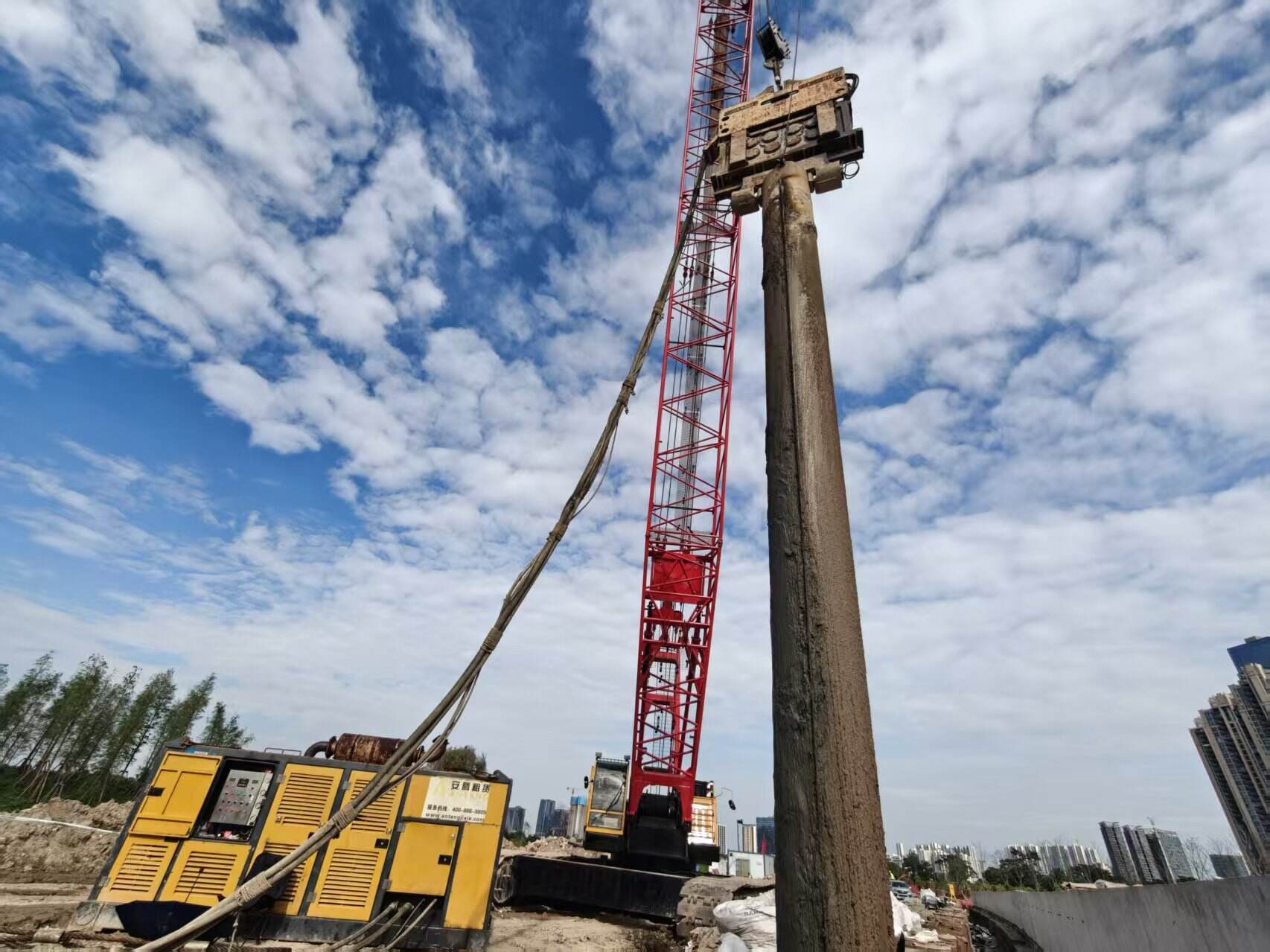
Proyek-proyek penumpukan modern menuntut presisi, efisiensi, dan kemampuan beradaptasi untuk mengatasi tantangan fondasi yang semakin kompleks. Di antara berbagai teknologi pemancangan tiang yang tersedia saat ini, palu hidrolik muncul sebagai pilihan utama bagi kontraktor dan insinyur yang bekerja pada proyek konstruksi kontemporer. Preferensi ini muncul karena kemampuan teknologi ini dalam memberikan transfer energi yang terkendali, mengurangi dampak lingkungan, serta menyediakan kinerja unggul di berbagai kondisi tanah dibandingkan palu diesel atau mekanis konvensional.
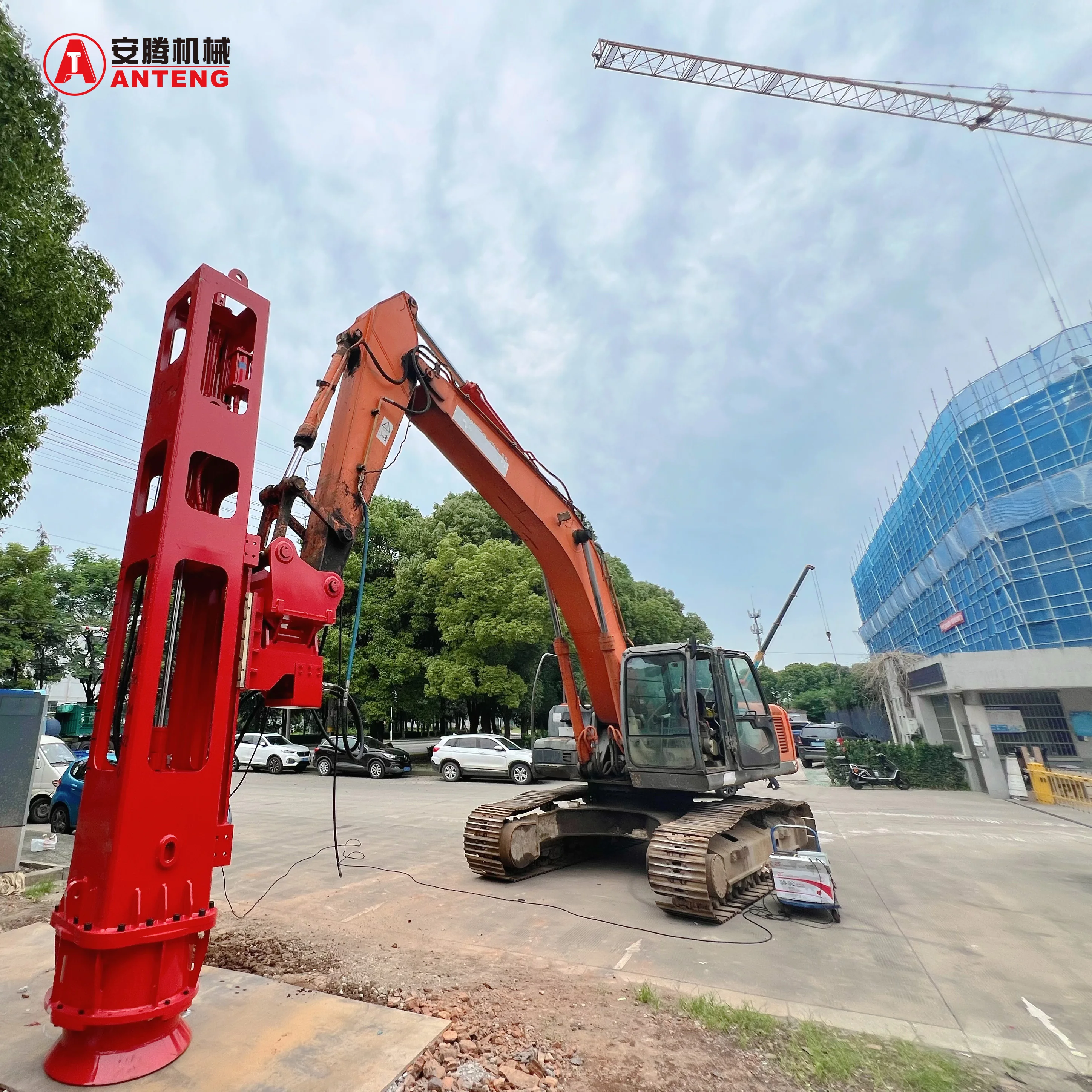
Peralihan ke teknologi palu hidrolik mencerminkan evolusi industri konstruksi menuju solusi yang lebih canggih, sadar lingkungan, dan berorientasi kinerja. Berbeda dengan metode pemancangan tiang konvensional yang mengandalkan mesin pembakaran atau sistem berbasis gravitasi, palu hidrolik beroperasi melalui cairan hidrolik bertekanan, sehingga memberikan kendali tanpa tanding terhadap energi benturan dan frekuensinya. Kemajuan teknologi ini mengatasi tantangan kritis dalam konstruksi modern, termasuk pembatasan kebisingan, pengendalian energi yang presisi, serta kebutuhan akan kinerja konsisten di lingkungan perkotaan yang menantang—di mana metode pemancangan tiang konvensional sering kali tidak memadai.
Kendali Energi dan Presisi Unggul
Sistem Energi Benturan yang Dapat Disetel
Keunggulan utama palu hidrolik terletak pada sistem pengendali energi canggihnya, yang memungkinkan operator menyesuaikan energi benturan dengan ketepatan luar biasa. Unit palu hidrolik modern mampu mengatur keluaran energi secara waktu nyata, menanggapi perubahan kondisi tanah dan kebutuhan tiang tertentu. Kemampuan penyesuaian ini memastikan transfer energi yang optimal untuk setiap tiang, mencegah pemukulan berlebih yang dapat merusak integritas tiang sekaligus menjamin penetrasi yang cukup melalui lapisan tanah yang tahan terhadap pemukulan.
Metode pemancangan tiang tradisional umumnya memberikan tingkat energi tetap, sehingga mengharuskan kontraktor mengganti seluruh peralatan ketika menghadapi kondisi tanah yang berbeda. Palu hidrolik menghilangkan keterbatasan ini dengan menyediakan pengaturan energi variabel dalam satu unit saja, sehingga mengurangi kompleksitas proyek dan biaya mobilisasi peralatan. Kemampuan sistem untuk menyesuaikan secara presisi keluaran energi juga meminimalkan kerusakan pada tiang, terutama penting ketika bekerja dengan tiang beton pracetak atau bagian baja sensitif yang memerlukan penanganan hati-hati selama pemasangan.
Karakteristik kinerja yang konsisten
Teknologi palu hidrolik memberikan energi pukulan yang konsisten tanpa dipengaruhi kondisi eksternal, suatu keunggulan kritis dalam operasi pancang modern. Berbeda dengan palu diesel yang dapat kehilangan efisiensi dalam cuaca dingin atau di ketinggian tinggi, sistem hidrolik mempertahankan kinerja stabil di berbagai kondisi lingkungan. Keandalan ini menjamin laju pemasangan tiang pancang yang dapat diprediksi serta mengurangi risiko keterlambatan proyek akibat variasi kinerja peralatan.
Pengiriman energi yang konsisten dari palu hidrolik juga meningkatkan pengendalian kualitas tiang pancang, karena insinyur dapat memprediksi laju penetrasi secara akurat serta memantau parameter pemasangan dengan tingkat kepercayaan yang lebih tinggi. Prediktabilitas ini memungkinkan perencanaan proyek yang lebih baik, penjadwalan yang lebih akurat, serta penjaminan kualitas yang lebih optimal di seluruh proses pemancangan tiang. Kemampuan teknologi ini dalam mempertahankan standar kinerja tanpa dipengaruhi kondisi cuaca maupun durasi operasional menjadikannya sangat bernilai bagi proyek berskala besar yang menuntut tingkat produktivitas yang konsisten.
Kepatuhan Lingkungan dan Pengurangan Kebisingan
Teknologi Mitigasi Kebisingan Lanjutan
Proyek konstruksi modern sering kali menghadapi peraturan kebisingan yang ketat, terutama di lingkungan perkotaan di mana kegiatan perumahan dan komersial berlangsung secara bersamaan dengan pekerjaan konstruksi. Palu hidrolik mengatasi masalah ini melalui emisi kebisingan yang jauh lebih rendah dibandingkan alternatif bertenaga diesel. Sistem hidrolik beroperasi tanpa ledakan pembakaran yang menjadi ciri khas palu diesel, sehingga menghasilkan tingkat kebisingan yang umumnya 10–15 desibel lebih rendah daripada peralatan pemancangan tiang konvensional.
Pengoperasian teknologi palu hidrolik yang lebih sunyi memungkinkan kegiatan konstruksi di area yang sensitif terhadap kebisingan, termasuk kawasan rumah sakit, lingkungan permukiman, dan kawasan komersial. Kemampuan ini memperluas peluang proyek serta mengurangi kebutuhan akan langkah-langkah mitigasi kebisingan yang mahal, seperti penghalang suara atau pembatasan jam kerja. Manfaat lingkungan tidak hanya terbatas pada pengurangan kebisingan, karena sistem hidrolik tidak menghasilkan emisi langsung selama operasi, sehingga mendukung inisiatif konstruksi hijau dan memenuhi persyaratan kepatuhan lingkungan.
Pengurangan Dampak Getaran Tanah
Pengiriman energi yang terkendali dari palu hidrolik secara signifikan mengurangi transmisi getaran ke tanah dibandingkan metode pemancangan tiang konvensional. Karakteristik ini khususnya penting dalam konstruksi perkotaan, di mana struktur di sekitarnya, fasilitas utilitas, serta peralatan sensitif memerlukan perlindungan dari getaran berlebih. Kemampuan sistem hidrolik untuk mengatur energi benturan membantu meminimalkan getaran tanpa mengorbankan kinerja pemasangan tiang yang efektif.
Tingkat getaran yang lebih rendah yang dihasilkan oleh operasi palu hidrolik melindungi infrastruktur yang sudah ada dan mengurangi risiko klaim kerusakan dari properti tetangga. Keunggulan ini menjadi semakin penting seiring pelaksanaan proyek konstruksi di kawasan perkotaan padat, di mana pemantauan dan pengendalian getaran tanah bersifat wajib. Kemampuan teknologi ini dalam mengurangi getaran sering kali menghilangkan kebutuhan akan survei pra-konstruksi yang mahal serta sistem pemantauan struktural, sehingga menekan biaya keseluruhan proyek tanpa mengorbankan kepatuhan terhadap peraturan getaran.
Efisiensi Operasional dan Keterampilan
Metrik Produktivitas yang Ditingkatkan
Efisiensi operasional palu hidrolik berdampak langsung pada peningkatan produktivitas proyek dan pengurangan durasi pemasangan. Sistem hidrolik umumnya mampu mencapai laju pukulan yang lebih tinggi dibandingkan palu diesel, sekaligus mempertahankan pengiriman energi yang konsisten sepanjang hari kerja. Kombinasi kecepatan dan konsistensi ini memungkinkan kontraktor menyelesaikan jadwal pemasangan tiang pancang secara lebih andal, sehingga mengurangi risiko keterlambatan proyek dan pembengkakan biaya terkait.
Kemampuan sistem palu hidrolik untuk segera dioperasikan memungkinkan penghilangan masa pemanasan yang diperlukan oleh peralatan diesel, sehingga operasi penuh daya dapat dimulai secara langsung begitu pekerjaan dimulai. Fitur ini sangat bernilai bagi proyek-proyek dengan jam kerja terbatas atau yang memerlukan siklus penghentian dan pengaktifan kembali peralatan secara sering. Kemampuan teknologi ini mempertahankan kinerja puncak selama periode operasi yang berkepanjangan juga mengurangi waktu henti akibat penurunan kinerja—yang umum terjadi pada sistem mekanis.
Kesesuaian Multi-Aplikasi
Sistem palu hidrolik modern menawarkan fleksibilitas luar biasa di berbagai jenis tiang dan skenario pemasangan. Sama halnya, palu Hidrolik palu ini mampu memasang tiang baja bentuk-H, tiang pipa, segmen beton pracetak, serta aplikasi tiang pancang pelat hanya dengan mengatur ulang pengaturan energi secara sederhana. Fleksibilitas ini mengurangi kebutuhan akan beberapa palu khusus dalam proyek-proyek kompleks yang melibatkan berbagai spesifikasi tiang.
Fleksibilitas teknologi palu hidrolik juga mencakup berbagai kondisi tanah, mulai dari lempung lunak hingga pasir padat dan bahkan formasi batuan ringan. Operator dapat mengoptimalkan kinerja palu untuk setiap jenis tanah dengan menyesuaikan energi pukulan dan frekuensinya, sehingga menjamin penetrasi yang efisien sekaligus meminimalkan tegangan pada tiang. Fleksibilitas semacam ini sangat bernilai bagi proyek-proyek yang melintasi kondisi geologis yang bervariasi, di mana palu konvensional mungkin memerlukan pergantian peralatan atau kesulitan dalam mengoptimalkan kinerjanya.
Sistem Kontrol Lanjutan dan Integrasi Teknologi
Kemampuan Pemantauan Real-Time
Sistem palu hidrolik kontemporer mengintegrasikan teknologi pemantauan dan pengendalian canggih yang menyediakan data secara waktu nyata mengenai parameter pemasangan. Sistem-sistem ini melacak jumlah pukulan, laju penetrasi, efisiensi transfer energi, serta metrik kinerja palu, sehingga memungkinkan operator terus-menerus mengoptimalkan prosedur pemasangan. Kemampuan pengumpulan data mendukung persyaratan pengendalian kualitas serta menyediakan dokumentasi untuk verifikasi teknis terhadap kesesuaian pemasangan tiang pancang.
Integrasi teknologi pemantauan dalam sistem palu hidrolik memungkinkan penerapan strategi perawatan prediktif yang mengurangi kegagalan peralatan tak terduga serta memperpanjang masa pakai operasional. Sensor memantau tekanan hidrolik, suhu cairan, dan indikator kinerja sistem, memberi peringatan kepada operator mengenai potensi masalah sebelum masalah tersebut menyebabkan kegagalan peralatan. Pendekatan proaktif terhadap manajemen perawatan ini mengurangi gangguan proyek dan menjamin kinerja palu yang konsisten sepanjang jadwal konstruksi.
Fitur Integrasi Digital dan Otomasi
Teknologi modern palu hidrolik terintegrasi secara mulus dengan sistem manajemen konstruksi digital, memungkinkan pencatatan data otomatis dan pelacakan kinerja. Kemampuan-kemampuan ini mendukung integrasi Building Information Modeling (BIM) serta menyediakan catatan terperinci mengenai proses pemasangan tiang pancang guna memenuhi kebutuhan jaminan kualitas dan dokumentasi proyek. Konektivitas digital sistem hidrolik mendukung pemantauan jarak jauh dan bantuan teknis, sehingga mengurangi waktu pemecahan masalah di lokasi dan meningkatkan efisiensi operasional.
Sistem palu hidrolik canggih dapat secara otomatis menyesuaikan parameter operasional berdasarkan umpan balik waktu nyata dari sensor pemasangan tiang, sehingga mengoptimalkan pengiriman energi untuk kondisi tanah yang berubah tanpa intervensi operator. Kemampuan otomatisasi ini mengurangi kelelahan operator, meningkatkan konsistensi pemasangan, serta memungkinkan operator dengan pengalaman lebih terbatas mencapai hasil optimal. Kemampuan pembelajaran teknologi ini dapat menyimpan pengaturan optimal untuk berbagai jenis tanah dan spesifikasi tiang, sehingga menyederhanakan prosedur penyiapan untuk kondisi pemasangan yang serupa.
Efektivitas Biaya dan Nilai Jangka Panjang
Keuntungan Biaya Operasional
Keuntungan ekonomi dari teknologi palu hidrolik meluas tidak hanya pada biaya awal peralatan, tetapi juga mencakup penghematan operasional signifikan sepanjang siklus hidup peralatan. Sistem hidrolik umumnya mengonsumsi bahan bakar lebih sedikit dibandingkan palu diesel, sekaligus memberikan kinerja yang lebih unggul, sehingga menghasilkan biaya operasional harian yang lebih rendah. Penghapusan konsumsi bahan bakar diesel dan kebutuhan penyimpanannya mengurangi kompleksitas logistik serta kewajiban kepatuhan lingkungan di lokasi konstruksi.
Kebutuhan perawatan untuk sistem palu hidrolik umumnya lebih rendah dibandingkan alternatif mekanis, karena sistem penggerak hidrolik memiliki jumlah komponen bergerak yang lebih sedikit yang rentan terhadap keausan dan tekanan. Beban perawatan yang lebih ringan ini berdampak pada penurunan biaya kepemilikan jangka panjang serta peningkatan ketersediaan peralatan. Standarisasi komponen hidrolik juga menyederhanakan proses pengadaan suku cadang dan prosedur layanan, sehingga mengurangi kompleksitas perawatan dan biaya downtime terkait.
Mitigasi Risiko Proyek
Keandalan dan konsistensi kinerja teknologi palu hidrolik secara signifikan mengurangi risiko proyek yang terkait dengan tantangan pemasangan tiang pancang. Kemampuan peralatan ini dalam menangani berbagai kondisi tanah tanpa penurunan kinerja meminimalkan risiko keterlambatan pemasangan dan pembengkakan jadwal. Keandalan ini khususnya bernilai tinggi bagi proyek-proyek dengan jadwal ketat atau klausul denda terkait batas waktu penyelesaian.
Keunggulan kepatuhan lingkungan dari sistem palu hidrolik mengurangi risiko regulasi serta potensi denda akibat pelanggaran terhadap batas kebisingan atau emisi. Proyek-proyek yang beroperasi di kawasan sensitif secara lingkungan memperoleh manfaat dari dampak lingkungan yang lebih rendah dari teknologi ini, sehingga mendukung pemenuhan persyaratan izin dan tujuan pengelolaan hubungan dengan masyarakat. Karakteristik getaran yang lebih rendah pada sistem hidrolik juga meminimalkan risiko klaim kerusakan dari properti tetangga, melindungi kontraktor dari biaya tanggung jawab tak terduga.
FAQ
Apa yang membuat palu hidrolik lebih hemat energi dibandingkan dengan mesin penancap tiang bertenaga diesel?
Palu hidrolik mencapai efisiensi energi yang unggul melalui transmisi daya hidrolik langsung, yang menghilangkan kehilangan energi yang terkait dengan proses pembakaran dan sistem penggerak mekanis. Sistem hidrolik dapat menyesuaikan keluaran energi secara presisi agar sesuai dengan resistansi tanah, sehingga menghindari pemborosan energi akibat penancapan tiang yang berlebihan atau kurang optimal. Selain itu, palu hidrolik mempertahankan pengiriman energi yang konsisten sepanjang operasi, sedangkan palu diesel mengalami variasi energi akibat perubahan suhu mesin, kualitas bahan bakar, dan kondisi atmosfer.
Apakah palu hidrolik mampu menangani ukuran tiang yang sama seperti palu diesel konvensional?
Hammer hidrolik modern tersedia dalam berbagai ukuran yang sesuai atau bahkan melampaui kapasitas hammer pancang diesel, dengan model-model yang mampu menangani pancang mulai dari profil baja tipis hingga pipa baja berdiameter besar dan elemen beton pracetak berat. Keluaran energi yang dapat disesuaikan pada sistem hidrolik justru memberikan fleksibilitas yang lebih baik dibandingkan hammer diesel berenergi tetap, karena satu unit hammer hidrolik sering kali mampu menangani berbagai ukuran pancang hanya dengan menyesuaikan energinya—tanpa perlu menggunakan model hammer yang berbeda untuk spesifikasi pancang yang berbeda.
Bagaimana kinerja hammer hidrolik dalam kondisi tanah yang menantang dibandingkan dengan metode pemancangan lainnya?
Palu hidrolik unggul dalam kondisi tanah yang menantang karena kemampuannya menyesuaikan energi benturan dan frekuensi secara real-time. Pada tanah keras atau batuan ringan, operator dapat meningkatkan keluaran energi dan mengurangi frekuensi benturan untuk memaksimalkan efisiensi penetrasi. Pada tanah lunak, energi dapat dikurangi guna mencegah kerusakan tiang sambil tetap mempertahankan laju penetrasi yang memadai. Kemampuan adaptif ini menghilangkan kebutuhan untuk mengganti peralatan ketika menghadapi lapisan tanah yang bervariasi, berbeda dengan sistem berenergi tetap yang mungkin memerlukan palu berbeda untuk kondisi tanah yang berbeda.
Apa saja persyaratan perawatan khas untuk sistem pemancangan tiang hidrolik?
Pemeliharaan palu hidrolik terutama meliputi penggantian cairan hidrolik secara berkala, penggantian filter, serta pemeriksaan segel, yang umumnya lebih sederhana dan lebih murah dibandingkan persyaratan pemeliharaan mesin diesel. Tidak adanya komponen pembakaran menghilangkan kebutuhan akan penyetelan ulang mesin, pembersihan sistem bahan bakar, serta pemeliharaan sistem emisi. Sebagian besar pemeliharaan palu hidrolik dapat dilakukan dengan menggunakan prosedur layanan hidrolik standar, dan sistem-sistem tersebut biasanya memerlukan interval perawatan yang 25–30% lebih panjang dibandingkan peralatan diesel sejenis karena jumlah komponen yang mengalami keausan lebih sedikit serta kondisi operasional yang lebih terkendali.
Daftar Isi
- Kendali Energi dan Presisi Unggul
- Kepatuhan Lingkungan dan Pengurangan Kebisingan
- Efisiensi Operasional dan Keterampilan
- Sistem Kontrol Lanjutan dan Integrasi Teknologi
- Efektivitas Biaya dan Nilai Jangka Panjang
-
FAQ
- Apa yang membuat palu hidrolik lebih hemat energi dibandingkan dengan mesin penancap tiang bertenaga diesel?
- Apakah palu hidrolik mampu menangani ukuran tiang yang sama seperti palu diesel konvensional?
- Bagaimana kinerja hammer hidrolik dalam kondisi tanah yang menantang dibandingkan dengan metode pemancangan lainnya?
- Apa saja persyaratan perawatan khas untuk sistem pemancangan tiang hidrolik?