
 EN

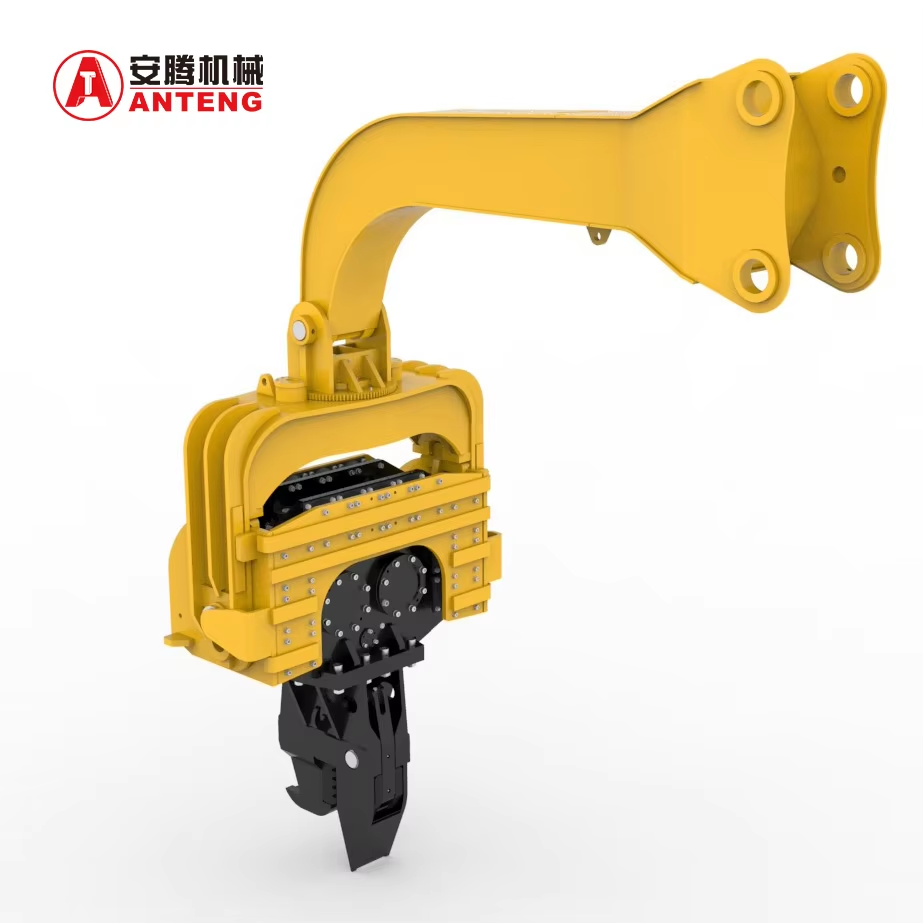
Selecting the right side grip vibro hammer requires careful evaluation of multiple technical and operational factors. A side grip vibro hammer is a specialized attachment designed for excavator-mounted pile driving, delivering consistent vibratory energy to drive piles efficiently into soil. When sourcing a side grip vibro hammer, buyers must understand the performance characteristics, compatibility requirements, and long-term operational implications that affect project success and equipment investment.
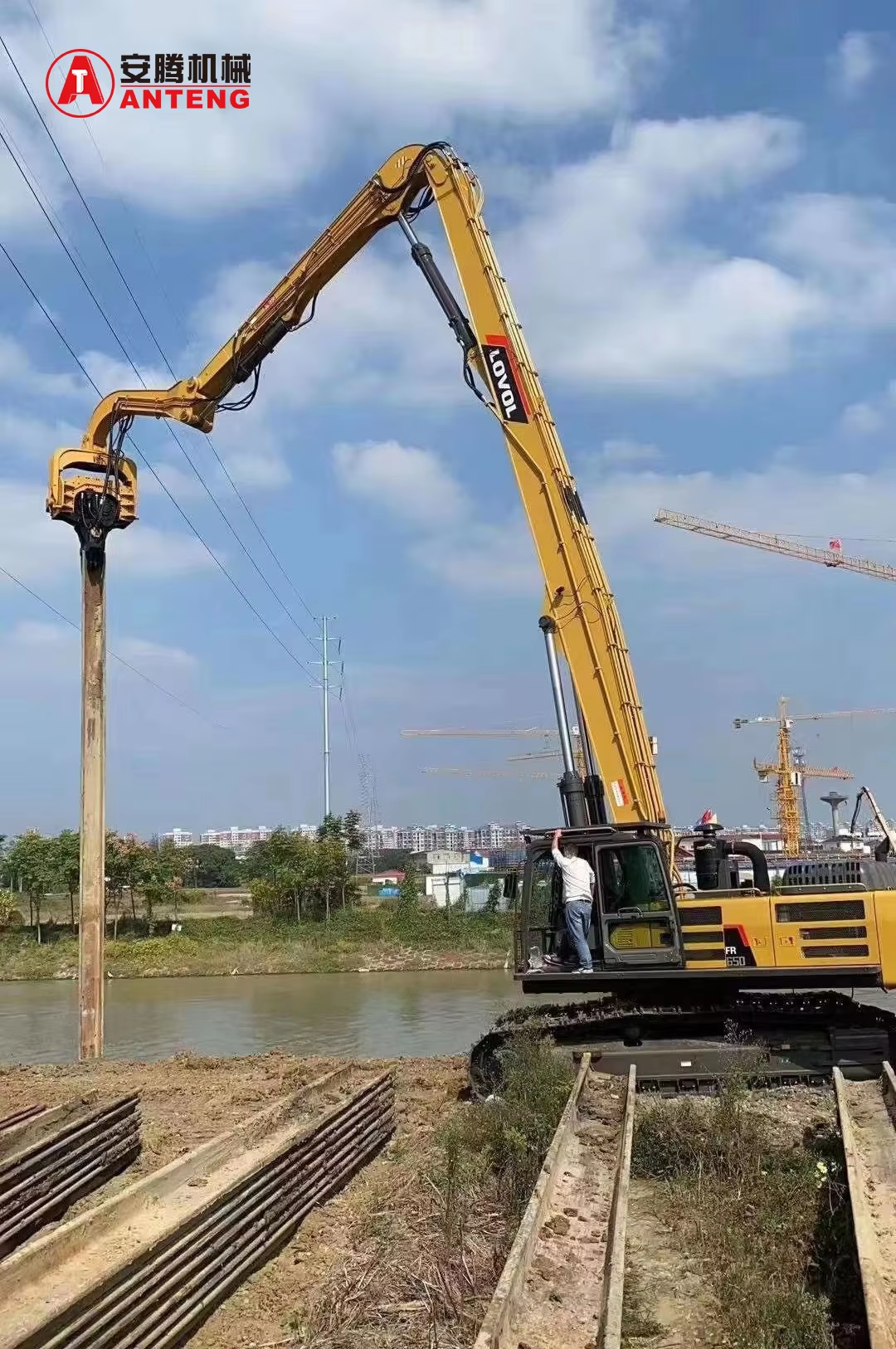
The market offers various side grip vibro hammer models with different specifications and price points. Understanding how to evaluate a side grip vibro hammer ensures your organization selects equipment that meets project demands, maximizes uptime, and delivers measurable return on investment. This guide outlines the critical assessment criteria that professional buyers should prioritize when evaluating side grip vibro hammer options.
Excavator Compatibility and Machine Matching
Tonnage and Mounting Requirements
The side grip vibro hammer must match your excavator's operating weight and hydraulic capacity. A side grip vibro hammer designed for 25-ton to 32-ton excavators differs significantly from units intended for lighter or heavier machines. Verify that the side grip vibro hammer's total weight, including clamps and mounting hardware, does not exceed 15 to 20 percent of your excavator's operating weight. Oversized side grip vibro hammer attachments create stability issues, increase wear on hydraulic systems, and reduce drilling accuracy.
The clamp design on a side grip vibro hammer must accommodate your specific excavator's boom and stick dimensions. Quality side grip vibro hammer models feature adjustable grip mechanisms that prevent slipping during operation. Request detailed dimensional specifications from manufacturers to confirm that the side grip vibro hammer will secure properly without modification to your equipment. Improper mounting of a side grip vibro hammer compromises safety and operational reliability.
Hydraulic System Integration
Your excavator's hydraulic system must supply adequate flow rate and pressure for reliable side grip vibro hammer operation. A side grip vibro hammer typically requires 60 to 120 liters per minute at 210 to 280 bar, depending on the model and frequency. Check your excavator's hydraulic specifications against the side grip vibro hammer manufacturer's requirements to ensure compatibility. Undersized hydraulic systems reduce the side grip vibro hammer's vibration frequency and penetration force, limiting productivity.
Additionally, evaluate whether your excavator's hydraulic hoses and quick couplers can support the side grip vibro hammer's flow demands. Some side grip vibro hammer systems require upgraded fittings to prevent pressure drops and energy loss. Consult with your excavator's manufacturer to confirm that installing a side grip vibro hammer does not void equipment warranties or require system modifications.
Performance Specifications and Operational Efficiency
Frequency, Impact Force, and Penetration Capability
A side grip vibro hammer's frequency, typically measured in vibrations per minute, directly influences pile driving speed and soil adaptability. Standard side grip vibro hammer models operate at 1200 to 1600 vibrations per minute. Evaluate whether the side grip vibro hammer frequency matches your project's soil conditions—denser soils often benefit from lower frequency and higher impact force, while softer soils may allow faster operation at higher frequencies. Review technical specifications to understand how the side grip vibro hammer performs in clay, sand, and mixed soil profiles.
The impact force rating of a side grip vibro hammer indicates its ability to penetrate challenging soil layers and remove stuck piles. Measure side grip vibro hammer force in kilonewtons (kN) or joules per stroke. Compare rated force against your project specifications—shallow utility work may require less force than deep foundation driving. A side grip vibro hammer with insufficient force wastes fuel, extends project timelines, and increases equipment stress.
Fuel Efficiency and Operating Costs
Operating costs represent a significant portion of side grip vibro hammer total cost of ownership. Modern side grip vibro hammer technology focuses on improving fuel efficiency while maintaining performance. Compare fuel consumption rates across comparable side grip vibro hammer models—efficient units reduce operating expenses and environmental impact over multiple project seasons. Request fuel consumption data from manufacturers at various operating conditions, including full load and partial load scenarios.
Evaluate maintenance requirements as they affect side grip vibro hammer operating costs. Some side grip vibro hammer designs require more frequent service intervals, replacement parts, and specialized technician expertise. Factor these recurring expenses into your purchase decision when comparing side grip vibro hammer options. Equipment with lower maintenance demands provides better operational predictability and reduced downtime.
Durability, Build Quality, and Service Support
Material Construction and Wear Resistance
The materials used in a side grip vibro hammer's construction determine service life and resistance to impact stress. Quality side grip vibro hammer models use hardened steel and specialized alloys in strike surfaces and impact zones. Inspect product specifications to understand whether the side grip vibro hammer uses cast iron, forged steel, or composite materials. Forged components typically outlast cast alternatives in high-stress applications. A side grip vibro hammer with premium materials justifies higher initial cost through extended operational life.
Examine the grip mechanism on the side grip vibro hammer for signs of quality manufacturing. The clamp assembly must resist fatigue cracking and maintain secure hold throughout extended operation cycles. Request information about the side grip vibro hammer's fatigue testing results and expected service intervals. Manufacturers who provide detailed durability data demonstrate confidence in their side grip vibro hammer design.
Manufacturer Support and Spare Parts Availability
Reliable spare parts availability directly affects side grip vibro hammer downtime and project continuity. Verify that the side grip vibro hammer manufacturer maintains regional distribution centers and stocks common replacement parts. Evaluate whether the side grip vibro hammer supplier offers rapid shipping options for critical components. Extended equipment downtime due to parts delays undermines project schedules and increases overall project costs.
Assess the technical support infrastructure surrounding your potential side grip vibro hammer purchase. Reputable manufacturers provide operator training, maintenance documentation, and troubleshooting resources. Confirm that the side grip vibro hammer supplier has certified service centers in your geographic region. Strong after-sale support protects your investment and maximizes side grip vibro hammer asset utilization over its operational lifetime.
FAQ
What tonnage excavator do I need for a side grip vibro hammer?
A side grip vibro hammer is typically matched to excavators in the 25-ton to 32-ton class, though specifications vary by model. Check the manufacturer's recommendations for your specific side grip vibro hammer to ensure proper weight matching, hydraulic capacity, and safe operation. Using a side grip vibro hammer on an undersized excavator creates stability and hydraulic performance issues.
How often should a side grip vibro hammer require maintenance?
Maintenance frequency for a side grip vibro hammer depends on operational hours and environmental conditions. Most manufacturers recommend inspecting a side grip vibro hammer after every 50 to 100 operating hours, with major servicing every 250 to 500 hours. Request the specific maintenance schedule from your side grip vibro hammer supplier and budget accordingly for preventive upkeep.
Can I upgrade from my current pile driving equipment to a side grip vibro hammer?
Upgrading to a side grip vibro hammer is possible if your excavator meets the tonnage and hydraulic requirements. Consult with both your excavator manufacturer and the side grip vibro hammer supplier to confirm compatibility. Some upgrades may require hydraulic system modifications or mounting bracket fabrication, which should be factored into your decision and budget planning.