
 EN

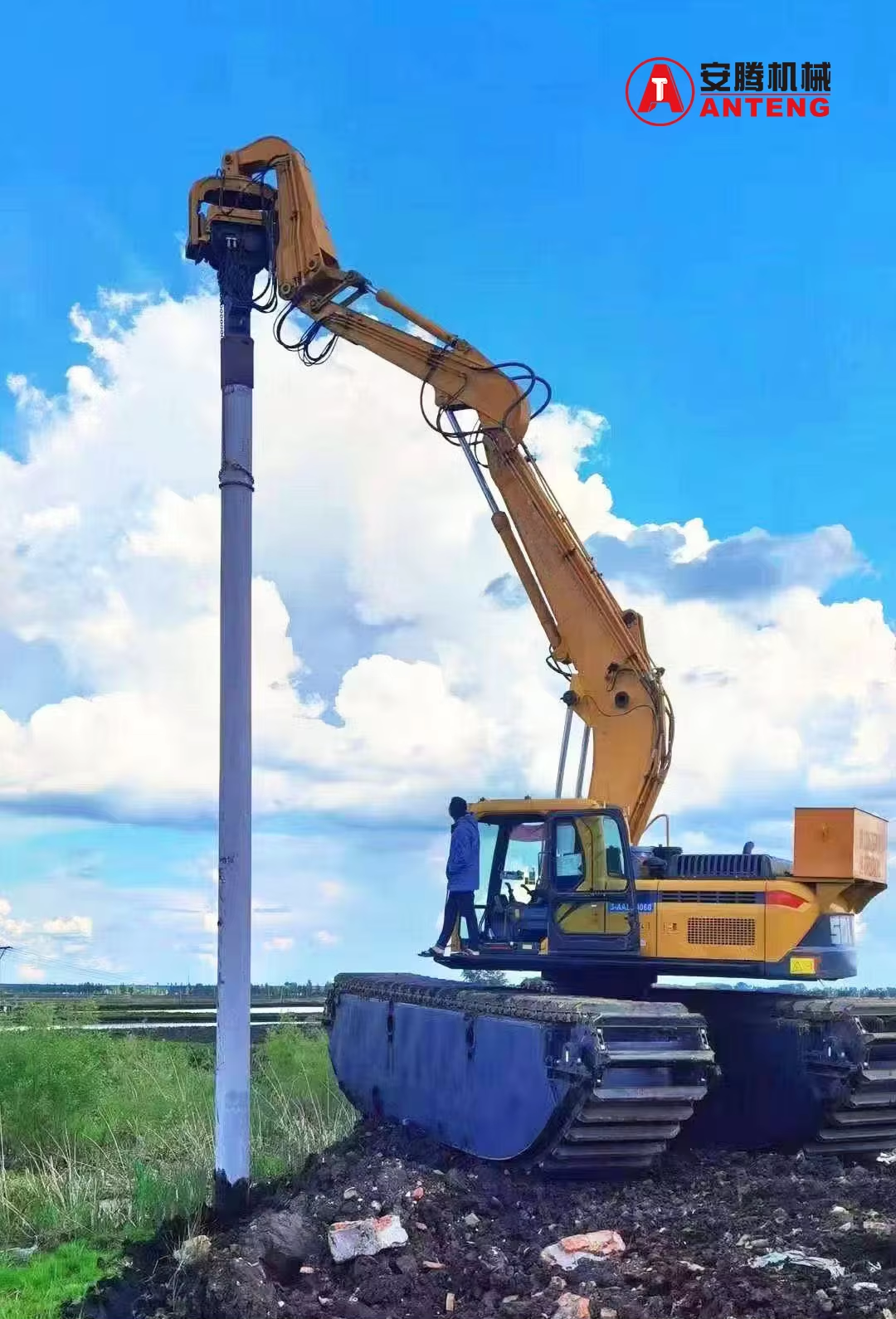
Selecting the right side grip vibro hammer is one of the most critical decisions for any sheet pile installation project. A side grip vibro hammer operates through high-frequency vibration to reduce soil friction and allow piles to penetrate deep into the ground with minimal resistance. The performance, efficiency, and cost-effectiveness of your entire project depend on choosing a side grip vibro hammer that matches your specific site conditions, soil composition, and project timeline. Making the wrong choice can lead to extended project schedules, increased operational costs, and potential equipment damage.
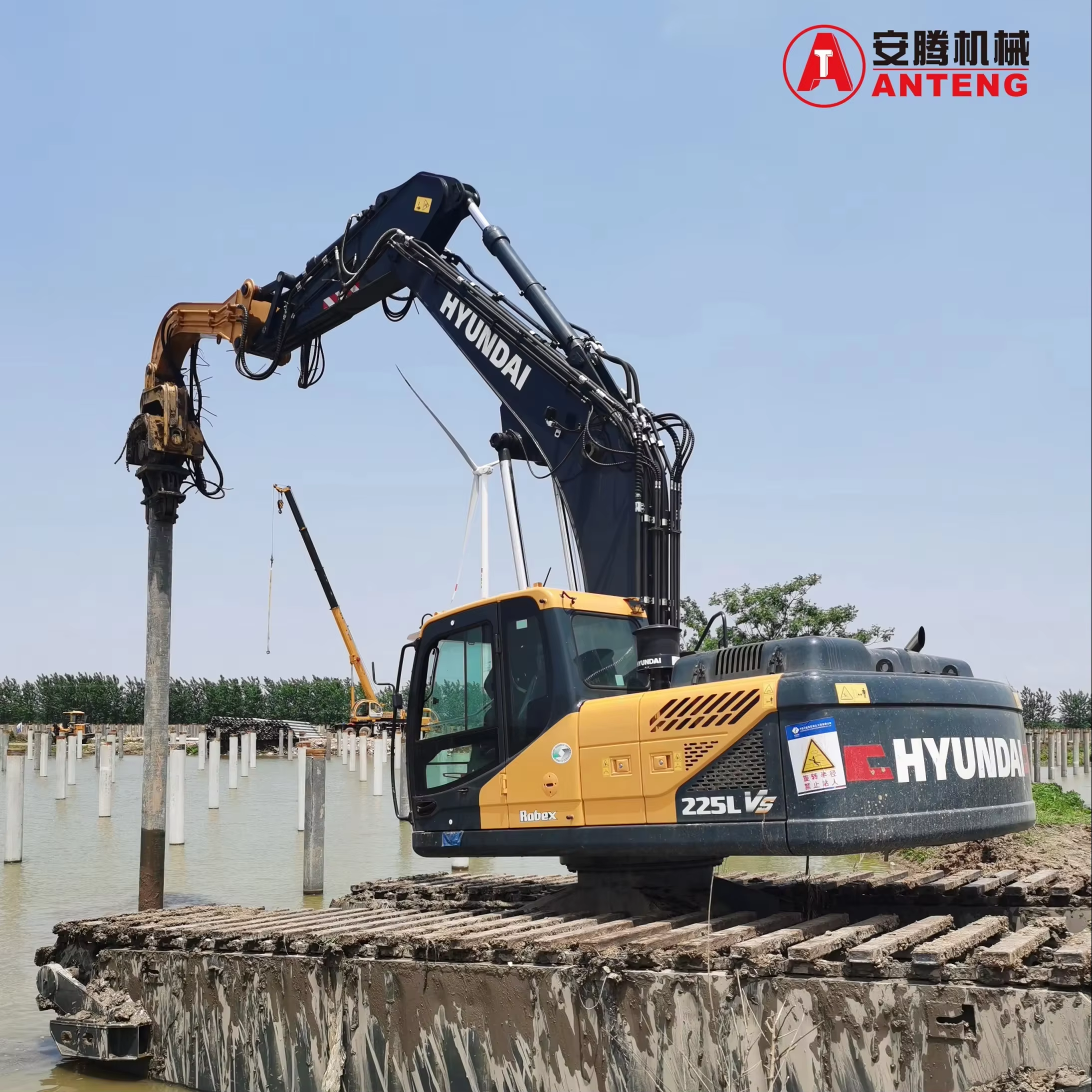
Understanding the fundamental characteristics of a side grip vibro hammer enables you to evaluate equipment options confidently and select the optimal solution for your unique operational requirements. This guide walks you through the essential selection criteria that separate effective pile driving equipment from poor investments.
Understanding Side Grip Vibro Hammer Specifications
Power Output and Frequency Range
The power output of a side grip vibro hammer directly influences its ability to drive piles through dense soil layers and into challenging subsurface conditions. A side grip vibro hammer with higher power output generates greater vibrational force, allowing deeper penetration and faster installation cycles. Frequency typically ranges from 10 to 40 hertz, with higher frequencies proving more effective in dense sand and gravel formations. Lower frequencies perform better in clay and silt, where excessive vibration can cause soil compaction and equipment strain.
Matching the frequency of your side grip vibro hammer to the soil profile at your site ensures optimal performance and operational efficiency. Soil testing and site investigation reports should guide your frequency selection. A side grip vibro hammer operating at an inappropriate frequency will consume excess fuel, generate unnecessary noise, and achieve slower pile advance rates than equipment properly tuned to local soil conditions.
Pile Grip Mechanisms and Compatibility
The grip mechanism of a side grip vibro hammer must accommodate the specific dimensions and materials of your sheet piles. Modern side grip vibro hammer designs employ hydraulic jaws that apply consistent pressure without damaging pile flanges or causing slippage during operation. The grip capacity should exceed your pile weight by a safety margin of at least 25 percent to prevent unexpected pile drops during installation. Mismatched grip sizes or inadequate clamping force represent common causes of installation delays and safety incidents on sheet pile projects.
Before committing to a side grip vibro hammer rental or purchase, verify that the equipment can securely grip your specific pile profile through full installation depth without adjustment or adaptation. Equipment flexibility for different pile dimensions adds significant value, as project requirements sometimes change during execution. A side grip vibro hammer designed for universal pile compatibility enables you to handle multiple project types with a single equipment investment.
Assessing Site Conditions and Soil Requirements
Soil Classification and Vibratory Suitability
Not every sheet pile project benefits equally from side grip vibro hammer installation methodology. Cohesive soils such as clay and silt often produce poor results with vibration-driven pile insertion because the soil tends to compact around the pile and increase resistance rather than reduce it. A side grip vibro hammer performs optimally in granular soils including sand, gravel, and mixed deposits where vibration effectively reduces particle friction and enables pile penetration. Understanding your site soil classification through preliminary boring logs and laboratory analysis is essential before selecting a side grip vibro hammer as your primary installation method.
Sites featuring high groundwater tables or saturated granular deposits represent ideal candidates for side grip vibro hammer technology because water-saturated particles respond efficiently to vibrational energy. Dry, dense sand deposits or mixed soil profiles with significant clay layers may require combination driving methods pairing a side grip vibro hammer with impact force, sonic energy, or hydraulic pressing. Site conditions ultimately dictate which side grip vibro hammer specifications and driving methodologies will deliver project success within schedule and budget constraints.
Environmental and Operational Constraints
Urban construction environments with noise restrictions, proximity to sensitive structures, or strict vibration limits sometimes preclude side grip vibro hammer usage despite favorable soil conditions. A side grip vibro hammer generates 90 to 105 decibels during operation, and substrate vibration propagates through soil to adjacent foundations and structures. Pre-project consultation with environmental compliance specialists and structural engineers regarding vibration tolerances will determine whether a side grip vibro hammer aligns with project constraints or whether quieter driving methods must be substituted.
Spatial constraints around existing structures, overhead utilities, or confined work areas also influence side grip vibro hammer selection. The equipment requires adequate vertical clearance, stable crane positioning, and unobstructed lateral movement during pile installation. Constrained sites may demand smaller, lighter-duty equipment even if more powerful options would improve efficiency, because a side grip vibro hammer must physically fit within available space while maintaining safe operational distances from personnel and structures.
Evaluating Equipment Performance and Cost Factors
Fuel Efficiency and Operational Economics
Operating costs form a substantial portion of total project expenses when deploying a side grip vibro hammer across extended installation schedules. Hydraulic systems within a side grip vibro hammer vary significantly in design efficiency, with modern equipment incorporating variable displacement pumps that reduce idle fuel consumption when pile advance rates slow. Fuel consumption typically ranges from 8 to 15 gallons per hour depending on equipment type, vibration frequency, and pile driving resistance encountered during installation. Calculating the total fuel budget for your project timeline and comparing equipment options based on this metric often reveals substantial cost differences obscured by simple equipment rental rates.
A side grip vibro hammer equipped with advanced hydraulic controls and pressure optimization features will consistently outperform older equipment in fuel efficiency and pile advance rate, offsetting higher rental or purchase costs through operational savings. Modern equipment designs also incorporate automatic depth cutoff and pile drive monitoring systems that maximize efficiency and minimize operator error. Requesting performance data and efficiency certifications from equipment providers enables accurate cost comparison across different side grip vibro hammer options available in your market.
Maintenance Requirements and Reliability
Equipment downtime during active sheet pile installation directly translates to project delays, missed milestone dates, and increased labor costs. A side grip vibro hammer with established service networks, readily available replacement components, and predictable maintenance schedules minimizes interruption risk compared to specialized equipment with limited support infrastructure. Hydraulic system reliability represents the critical factor because pump failures, hose ruptures, or valve malfunctions disable the entire side grip vibro hammer system until repairs are completed.
Evaluating equipment suppliers based on local technical support availability, parts inventory, and technician expertise ensures that your side grip vibro hammer remains operational throughout the project. Equipment rental companies with maintenance facilities and backup equipment in your region provide superior reliability compared to distant suppliers who require extended shipping times for repairs. Before finalizing your side grip vibro hammer selection, confirm that qualified service providers operate within reasonable distance from your project site and maintain sufficient spare components for rapid restoration to service.
FAQ
What soil types work best with a side grip vibro hammer?
A side grip vibro hammer performs optimally in granular soils including sand, gravel, and mixed deposits where vibration reduces particle friction and enables pile penetration. Cohesive soils such as clay and silt often produce poor results because vibration tends to compact soil around the pile rather than facilitate insertion. Saturated granular deposits with elevated groundwater tables represent ideal conditions for side grip vibro hammer installation because water-saturated particles respond efficiently to vibrational energy.
How do I determine the appropriate vibration frequency for a side grip vibro hammer?
Vibration frequency selection depends on soil composition and site conditions identified through preliminary boring logs and laboratory analysis. Higher frequencies between 30 and 40 hertz work best in dense sand and gravel formations, while lower frequencies between 10 and 20 hertz perform better in clay and silt deposits. Site investigation reports and soil classification data should guide your side grip vibro hammer frequency selection to ensure optimal performance and operational efficiency throughout pile installation.
Can a side grip vibro hammer be used in noise-restricted urban environments?
A side grip vibro hammer generates 90 to 105 decibels during operation, which may exceed noise restrictions in urban environments or areas near sensitive structures. Pre-project consultation with environmental compliance specialists and structural engineers regarding vibration and noise tolerances will determine whether a side grip vibro hammer aligns with your specific project constraints. Quieter driving methods such as sonic or hydraulic pressing systems may need to be substituted if a side grip vibro hammer cannot satisfy environmental and operational requirements.