 EN
EN
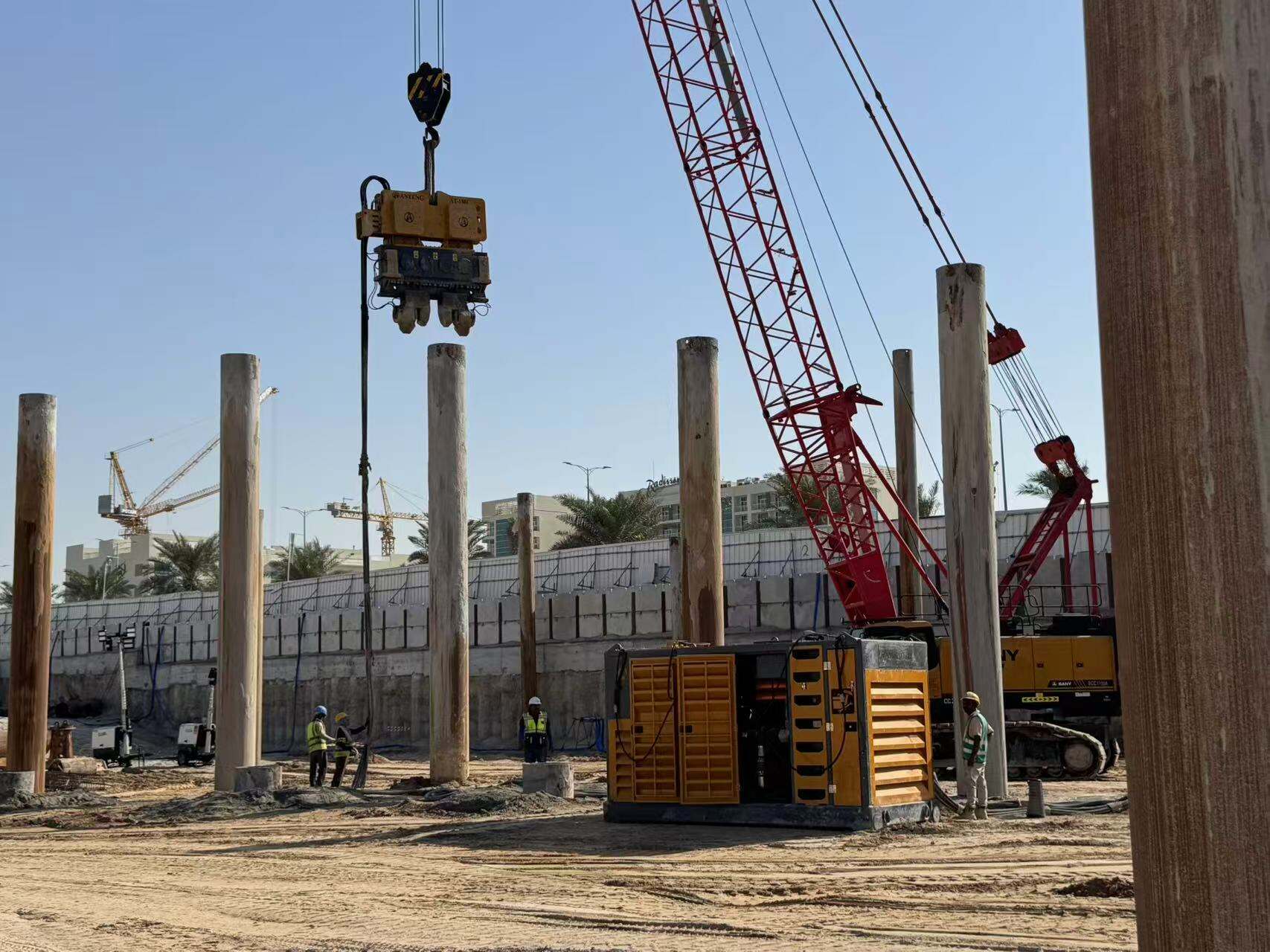
Unplanned downtime can devastate piling operations, turning profitable projects into costly delays that impact entire construction schedules. The complex hydraulic systems, high-stress mechanical components, and demanding operational environments make piling equipment particularly vulnerable to unexpected failures that can halt work for days or even weeks.
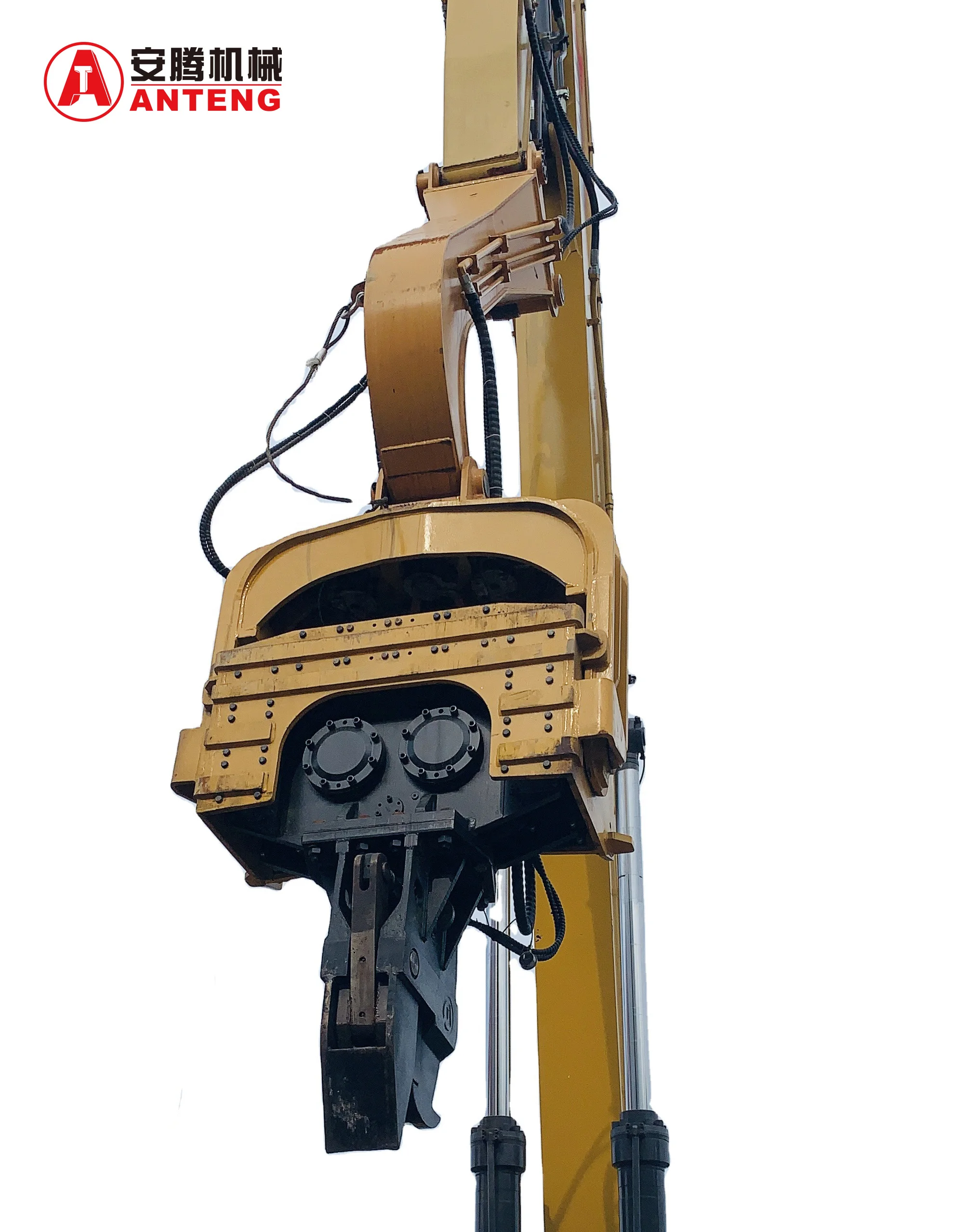
Strategic maintenance approaches specifically designed for piling equipment can dramatically reduce these costly interruptions while extending equipment lifespan and maintaining optimal performance. Understanding which maintenance strategies deliver the greatest downtime reduction requires examining the unique operational demands, failure patterns, and maintenance requirements that define modern piling operations across diverse construction environments.
Predictive Maintenance Strategies for Critical Systems
Condition-Based Monitoring Implementation
Implementing condition-based monitoring systems represents one of the most effective approaches to reducing piling equipment downtime through early failure detection. These systems continuously monitor critical parameters such as hydraulic pressure fluctuations, vibration patterns, temperature variations, and oil contamination levels that indicate developing problems before they cause complete system failures.
Modern piling equipment benefits from sensor networks that track hydraulic system performance, engine parameters, and structural stress indicators in real-time. When monitoring systems detect parameter deviations beyond normal operating ranges, maintenance teams receive immediate alerts that allow for planned interventions during scheduled downtime rather than emergency repairs during critical project phases.
The integration of IoT-enabled monitoring solutions with piling equipment provides unprecedented visibility into equipment health status, enabling maintenance decisions based on actual condition rather than arbitrary time intervals. This data-driven approach typically reduces unexpected failures by 60-70% compared to reactive maintenance strategies.
Vibration Analysis and Trending
Vibration analysis serves as a particularly valuable predictive tool for piling equipment because the high-impact, cyclic nature of pile driving and drilling operations generates distinctive vibration signatures that change as components wear or develop faults. Regular vibration measurements using portable analyzers or permanently mounted sensors can detect bearing wear, misalignment, loosening, and other mechanical issues weeks or months before they cause equipment failures.
Establishing baseline vibration signatures for new piling equipment and trending these measurements over time creates a powerful diagnostic capability that maintenance teams can use to schedule repairs during planned maintenance windows. This proactive approach prevents the cascading failures that often occur when worn components stress adjacent systems beyond their design limits.
The combination of vibration monitoring with other diagnostic techniques such as oil analysis and thermal imaging creates a comprehensive condition assessment capability that maximizes maintenance effectiveness while minimizing unnecessary interventions that could actually increase downtime risk.
Preventive Maintenance Optimization Techniques
Component-Specific Maintenance Intervals
Optimizing preventive maintenance intervals based on component-specific failure patterns and operating conditions significantly improves maintenance effectiveness while reducing both planned and unplanned downtime. Different components within piling equipment systems have vastly different replacement intervals, and generic maintenance schedules often result in either premature component replacement or unexpected failures.
Hydraulic system components in piling equipment typically require more frequent attention than structural elements due to the high pressures, temperature cycling, and contamination exposure inherent in pile driving operations. Developing maintenance schedules that align component replacement intervals with natural project breaks and seasonal operating patterns minimizes productive time lost to maintenance activities.
Advanced maintenance planning considers equipment utilization patterns, environmental conditions, and operational intensity to establish optimal service intervals that balance maintenance costs against downtime risks. This approach often extends high-reliability component service life while increasing maintenance frequency for high-wear items that pose the greatest failure risk.
Systematic Lubrication and Fluid Management
Proper lubrication and hydraulic fluid management form the foundation of effective piling equipment maintenance because inadequate lubrication causes more equipment failures than any other single factor. The extreme loads, shock impacts, and environmental contamination common in piling operations place extraordinary demands on lubrication systems that require specialized maintenance approaches.
Implementing systematic lubrication programs with proper lubricant selection, application methods, and change intervals prevents the majority of wear-related failures that cause unexpected downtime. Regular oil analysis programs detect contamination, additive depletion, and degradation products that indicate developing problems before they cause component damage.
Contamination control measures such as high-efficiency filtration systems, breather upgrades, and proper storage procedures maintain fluid cleanliness levels that extend component life and reduce maintenance requirements. These preventive measures typically reduce hydraulic system failures by 80% or more compared to basic maintenance approaches.
Reliability-Centered Maintenance Applications
Failure Mode Analysis and Prevention
Reliability-centered maintenance approaches analyze specific failure modes common to piling equipment and develop targeted prevention strategies that address root causes rather than symptoms. This systematic methodology identifies which components are most likely to fail, how they fail, and what consequences those failures have on overall equipment availability.
Common failure modes in piling equipment include hydraulic seal degradation from contamination exposure, structural fatigue from cyclic loading, and electrical system failures from vibration and environmental conditions. Understanding these failure patterns enables maintenance teams to implement specific prevention measures that eliminate or greatly reduce the likelihood of these failures occurring.
The reliability-centered approach also considers failure consequences, focusing intensive maintenance efforts on components whose failure would cause extended downtime while applying less intensive maintenance to components that can fail without significantly impacting operations. This risk-based prioritization maximizes maintenance effectiveness while controlling costs.
Redundancy and Backup System Implementation
Strategic implementation of redundancy and backup systems provides immediate operational continuity when primary piling equipment components fail, dramatically reducing the downtime impact of unexpected failures. This approach works particularly well for critical systems where complete failure prevention may be economically impractical.
Hydraulic system redundancy through dual pump configurations or backup power units enables continued operation at reduced capacity when primary systems fail, allowing projects to continue while repairs are completed. Similarly, backup electrical systems and control redundancy prevent complete equipment shutdown when individual components fail.
Mobile backup systems and spare equipment sharing arrangements between contractors provide additional redundancy options that minimize project delays when major equipment failures occur. These strategies require initial investment but deliver substantial returns through reduced downtime costs and improved project schedule reliability.
Technology Integration and Digital Maintenance
Computerized Maintenance Management Systems
Modern computerized maintenance management systems (CMMS) provide the data management and scheduling capabilities necessary to execute sophisticated maintenance strategies effectively. These systems track maintenance history, component lifecycle data, and failure patterns that inform maintenance decision-making and enable continuous improvement of maintenance programs.
Integration of CMMS with equipment monitoring systems creates automated maintenance scheduling based on actual equipment condition and usage patterns rather than fixed time intervals. This intelligence-driven approach ensures maintenance activities occur when needed while avoiding unnecessary interventions that waste resources and create unnecessary downtime.
The data analytics capabilities of advanced CMMS platforms identify trends and patterns in piling equipment performance that reveal opportunities for maintenance optimization. Historical analysis often reveals seasonal patterns, operator effects, and environmental factors that significantly impact equipment reliability and maintenance requirements.
Mobile Technology and Remote Diagnostics
Mobile technology integration enables real-time maintenance support and remote diagnostics that reduce repair time and improve first-time fix rates when piling equipment problems occur. Technicians equipped with tablets or smartphones can access technical documentation, maintenance procedures, and expert support while working on equipment in remote locations.
Remote diagnostics capabilities allow equipment manufacturers and service providers to analyze piling equipment performance data and provide troubleshooting support without sending technicians to job sites. This capability significantly reduces the time required to identify problems and develop repair plans, minimizing equipment downtime.
Augmented reality applications provide on-screen guidance for complex maintenance procedures, reducing errors and improving repair quality while minimizing the training requirements for maintenance personnel. These technologies particularly benefit organizations with distributed operations where expert maintenance support may not be immediately available on-site.
FAQ
How often should hydraulic fluid be changed in piling equipment to prevent downtime?
Hydraulic fluid change intervals for piling equipment typically range from 1000 to 2000 operating hours, depending on contamination levels, operating conditions, and fluid analysis results. Severe operating conditions such as high contamination environments or extreme temperatures may require more frequent changes, while clean operating conditions with effective filtration systems may allow extended intervals. Regular oil analysis provides the most accurate guidance for optimal change intervals.
What are the most critical components to monitor for preventing piling equipment failures?
The most critical components to monitor include hydraulic pumps and motors, main structural joints and welds, pile clamp mechanisms, and power transmission systems. These components experience the highest stress levels during piling operations and their failure typically results in complete equipment shutdown. Implementing condition monitoring for these systems provides the greatest return on investment in terms of downtime prevention.
Can predictive maintenance completely eliminate unexpected piling equipment downtime?
While predictive maintenance dramatically reduces unexpected downtime, it cannot completely eliminate all failures due to the extreme operating conditions and inherent variability in construction environments. However, properly implemented predictive maintenance programs typically reduce unplanned downtime by 70-80% compared to reactive maintenance approaches, while also extending equipment life and reducing total maintenance costs.
What backup strategies work best when major piling equipment components fail?
Effective backup strategies include maintaining critical spare parts inventory, establishing equipment sharing agreements with other contractors, implementing mobile backup power units for hydraulic systems, and developing contingency plans for alternative construction methods. The most cost-effective approach typically combines preventive maintenance to minimize failure probability with strategic backup resources to minimize downtime impact when failures do occur.
Table of Contents
- Predictive Maintenance Strategies for Critical Systems
- Preventive Maintenance Optimization Techniques
- Reliability-Centered Maintenance Applications
- Technology Integration and Digital Maintenance
-
FAQ
- How often should hydraulic fluid be changed in piling equipment to prevent downtime?
- What are the most critical components to monitor for preventing piling equipment failures?
- Can predictive maintenance completely eliminate unexpected piling equipment downtime?
- What backup strategies work best when major piling equipment components fail?